What are the common pests and diseases of roses? Detailed control methods
Roses bloom very beautifully, but they are also very susceptible to pests and diseases. So what should be noted when growing roses in home pots? Today, let's talk about several pests and diseases that roses are more prone to. Below is an introduction to the common pests and diseases of roses and their control methods.
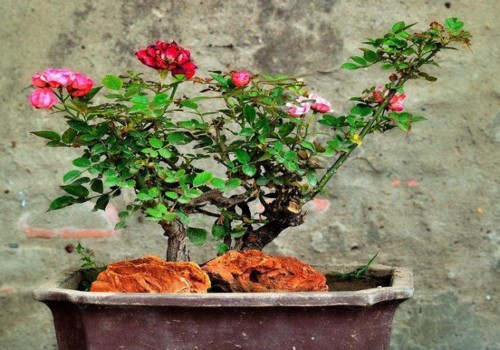
Home potted roses are generally placed on balconies for care, because limited by conditions such as ventilation, temperature and light, they are most vulnerable to spider mites, especially when factors such as dry air and dry soil are present, which make them more prone to spider mite infestation. So we usually need to increase air humidity, and simply cutting off the branches infested with spider mites is useless; you must use pesticides to kill the spider mites.
Besides spider mites, powdery mildew is also a disease that roses are very, very prone to, mainly caused by poor ventilation, rainy weather and a hot and humid environment. Of course, if the environment is particularly dry, powdery mildew can also occur. There is also black spot, and black spot first grows a small spot on the leaf, which turns purple, black or brown, then slowly keeps expanding, and eventually causes the entire branch to dry up. It can even cause the rose to die.
There are really too many pests and diseases of roses, but some are caused by external factors, and some are caused by the plant's own poor resistance, so if we find the plant is growing rather short, or is malnourished, we should frequently supplement it with fertilizer. For example, powdery mildew may be a sign of calcium deficiency or potassium deficiency. We can supplement it with more fertilizer to improve its resistance.
So what can be done when potted roses encounter these pests and diseases? First, the branches and stems infected with pests and diseases should be cut off, and then special pesticides should be sprayed on them, so that they can be guaranteed to return to a normal growth state. At the same time, we should also usually provide them with a comfortable growing environment to avoid pest and disease infestation.