Diagnosis and Control Methods for Leaf Diseases of Potted Flowers
If potted plants are poorly managed, their leaves will turn yellow, scorch, and curl. The changes in the leaves can serve as a basis for analyzing problems in care work, and corresponding measures can be taken accordingly. Potted flower care: diagnosing diseases by looking at the leaves.
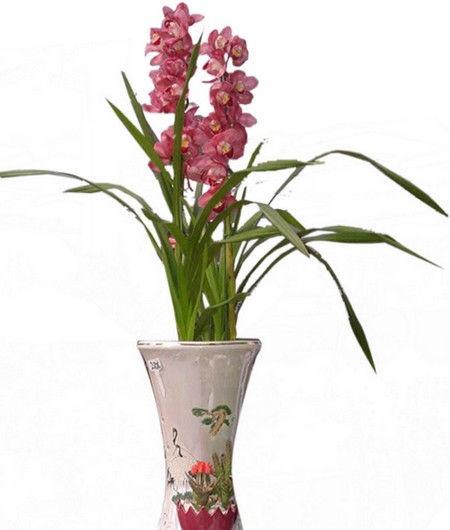
1. Young leaves turn yellow, or lower leaves curl and wither, with leaves constantly dropping:
This is generally caused by too much watering. When watering potted flowers, follow the principle of "water when dry, stop when wet." If there is standing water in the pot, it should not remain for more than half an hour, otherwise the health of the root system will be affected. Sometimes, young leaves of potted flowers turn yellow because of a lack of a certain nutrient. If the leaves turn yellow but the veins remain green, it is caused by iron deficiency. In this case, you can apply some ferrous sulfate. Using 3 parts sandy silt soil plus 1 part commercially available decomposed nitrogen-phosphorus fertilizer can also be effective.
2. Old leaves turn yellow, and new leaves grow very small:
This is due to a lack of nitrogen or phosphorus and potassium nutrients in the potting soil. You can apply some decomposed organic fertilizer or commercially available flower fertilizer tablets to supplement nutrients.
3. Young leaf tips scorch:
You should check whether the potting soil is too dry, or whether the light is too strong and the temperature too high, scorching the plant.
4. New shoot tips shrivel, tender leaves pale yellow, old leaves dark yellow:
This is mostly caused by waterlogged potting soil, lack of oxygen, and root rot. You should immediately loosen the soil, stop fertilizing, and control watering.
5. Leaf edges scorch:
This is often caused by too much fertilizer or improper watering. You can rinse the potting soil multiple times with clean water so that the fertilizer dissolved in the water flows out through the drainage holes.
Pest and disease control:
1. Mix 0.5 kg of plant ash with 2.5 kg of water, soak for 24 hours, take the filtered liquid and spray it, which can kill aphids on plum blossoms, Chinese roses, pomegranate trees, and so on.
2. Spray with a 0.1% concentration baking soda solution, which can control powdery mildew on flowers such as Chinese roses, chrysanthemums, garden balsam, cotton rose hibiscus, and cineraria. The control rate can reach more than 80%.
3. Use a 2% concentration urea solution + 0.1% Penshibao foliar fertilizer and spray once every 10 days, spraying 2 to 3 times in succession, which can kill pests such as aphids and red spiders on flowers and trees.
4. Dip a cotton ball in vinegar and gently wipe the leaves of camellias. This not only kills scale insects but also makes leaves previously damaged by scale insects turn green again.
5. Repeatedly and gently wipe orchid leaves with alcohol to remove the scale insects on them.
6. If the branches and trunks of a tree-stump bonsai rot, first use a blade disinfected with iodine tincture to scrape off the rotten parts on the stump, then apply iodine tincture. After 7 to 10 days, apply it once more to prevent continued rotting.