-

Principles and methods of the medicated immersion method for preventing eel diseases
Also called the immersion method, it involves concentrating the rice field eels in a smaller body of water or container, preparing a relatively high-concentration medication, and forcing the eels to be exposed to the medication for a short period of time to achieve the purpose of killing pathogens. For example, when stocking, use salt to immerse the eel fry, etc. Its characteristics are: first, it is mostly used to kill pathogens on the body surface or gills; second, it is mostly used for disinfecting fry and seedlings or tools at the time of stocking; third, it requires that the concentration of the medication be precise during operation, and that the operation time be short, the speed fast, and the movements gentle.
-
Detailed Explanation of Integrated Prevention and Control Techniques for Common Pig Diseases
The integrated prevention and control techniques for common pig diseases target major epidemic diseases that plague the development of the pig farming industry in the Beijing suburbs, such as porcine foot-and-mouth disease, swine fever, porcine parvovirus, swine enzootic pneumonia, and swine Escherichia coli. Practical and feasible integrated prevention (treatment) techniques have been researched and formulated. The core techniques are: integrated epidemic prevention techniques for large-scale pig farms; immunization and antibody monitoring techniques for important pig farm epidemic diseases; rational drug use for pigs and disinfection techniques for the pig farm environment and the interior and exterior of pigs. Over the years, promotion and application in more than 2,000 large-scale pig farms in the Beijing suburbs have achieved good results, reducing pig death and culling
-
What diseases cause skin bleeding and necrosis in chickens?
Diseases in chickens that cause skin bleeding, necrosis and other lesions include: [Colibacillosis (cutaneous form)] Similar symptoms: omphalitis, dermatitis. Distinguishing symptoms: omphalitis in chicks, dermatitis, necrosis and ulceration in growing chickens, some forming purple scabs; Gram-negative small bacilli visible on smear microscopy. Treatment: norfloxacin 0.5g/kg feed, fed continuously for 3-5 days; or ciprofloxacin, 0.1-0.3g per kg water, drunk continuously for 3-5 days; with chloramphenicol, add 1
-
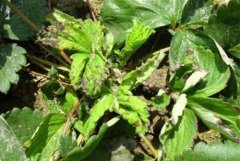
What to Do When Strawberries Get Anthracnose? A Detailed Guide to Prevention and Control
What should you do when your strawberry gets sick? Just take it to see a doctor, free of charge! The Miaoli District Agricultural Research and Extension Station has pioneered anthracnose molecular detection technology, and farmers can submit samples at no cost. Take a quick look. Once strawberry seedlings are infected with anthracnose, they easily die, and it is difficult to judge whether they are healthy just by their appearance.
-
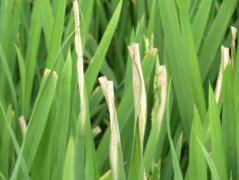
Success in Controlling Rice Bacterial Leaf Blight: Xingda Releases 2 Disease-Resistant Rice Varieties
Rice bacterial leaf blight, be gone! Xingda releases 2 disease-resistant rice varieties. Do you know which two rice varieties they are? Let's take a look. When farmers grow rice, what they fear most is encountering bacterial leaf blight, rice blast and sheath blight. The appearance of these diseases means reduced yields and affected rice qual
-
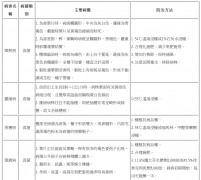
Foxtail Millet Cultivation Techniques: Field Management Measures and Pest and Disease Control Methods
Foxtail millet cultivation techniques and field management - do you know them? Soil selection and land preparation with basal fertilizer application, sowing and thinning, weed control and intertillage with earthing up - are you clear on all of these? And there is also pest and disease control - if you do not understand, let us take a look together. (1) Soil selection
-
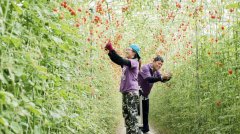
Greenhouse Design: High Biosecurity in Greenhouses? Even More Need to Guard Against Highly Contagious Pests and Diseases
Greenhouses may appear to avoid many pests and diseases, but in reality they place even greater demands on everyday execution of environmental hygiene and safety. Only by being a bit finicky can you grow sweet, beautiful fruit. Let's take a look below. Biosecurity is not just a basic requirement for farms, poultry and livestock operations.
-
What causes plant pests and diseases? Tracing the origins of IPM crop production management techniques
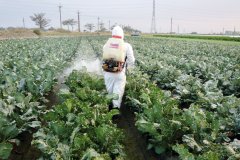
IPM is not about setting absolute methods, but about finding the most optimized approach. Let's take a look together below. Cruciferous crops in their growth pattern often develop serious pests and diseases only near harvest time. Taking broccoli as an example, the head is covered by outer leaves, and pests easily hide within, leading to poor control
-
Pitaya (Dragon Fruit) Cultivation Techniques and Pest and Disease Control Methods
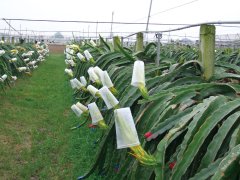
A growing number of farmers continue to join the ranks of red dragon fruit cultivation, so it is all the more necessary to pay close attention to red dragon fruit cultivation management and to observe the growth conditions of plants in the field, so as to reduce problems such as pests and diseases. In recent years, red dragon fruit, under factors such as variety improvement, advances in cultivation techniques and the development of production-period regulation technology, has created a wave of cultivation enthusiasm, and this cultivation wave is still spreading today without any sign of stalling, which clearly shows that red dragon fruit remains a fruit industry with development potential in the minds of people.
-
Sod culture increases soil aeration porosity and organic matter content
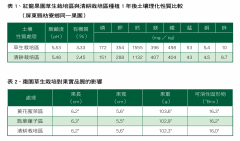
Sod culture offers many advantages, such as improving the soil environment and maintaining the orchard ecosystem. After it was promoted to farmers for adoption, many examples have confirmed the benefits of sod culture. However, before choosing a sod culture method, it is recommended to evaluate it from multiple aspects and select the sod culture method suitable for that farmland.
条件筛选