-

What disease causes a pig's high fever that won't subside? How to prevent and treat it
(1) Swine fever: The pig's body temperature rises to 40-42°C and does not subside persistently; appetite decreases or the pig stops eating, listlessness, shivering, lying down and prone to sleeping, crowding together in a pile or burrowing into straw; when standing and walking, the back is arched and the body bent, limbs are weak, movement is slow, gait is unsteady and swaying, conjunctiva is red with purulent discharge, first constipation, then diarrhea; at the base of the ears, abdomen, inner sides of the limbs and other areas there are purplish-red bleeding spots that do not fade under finger pressure. Lesions: systemic lymph nodes are enlarged with peripheral hemorrhage, red and white mottled in a marble-like pattern; the kidneys are pale in color with pinpoint-sized bleeding spots on the surface; the spleen is enlarged
-
Prevention and control of infectious diseases in pigs: management comes first
The new pig diseases that have emerged force us to re-evaluate existing production systems. If there is no vaccine, improved management methods must be used to control the disease; even with a vaccine, control may still fail without management. This article provides some basic methods to help pig farms adopt suitable approaches to control infectious diseases according to their own situations. The goal of disease control must be clear: the goal is to "control" the disease, not yet to eradicate it. Overall, control measures usually reduce the pig population in a reasonable way to cut off
-
How to prevent and treat chicken gizzard erosion? A comprehensive analysis of its disease characteristics
Chicken gizzard erosion is a disease that occurs in young chickens, especially broiler chickens, and is similar to intestinal ulcer disease. Whether the disease occurs is closely related to the use of fishmeal in chicken feed. The occurrence of this disease often brings corresponding economic losses to chicken production. 1. Clinical symptoms and disease characteristics: chickens from 1 to 5 months of age can be affected, with mortality varying, and in severe cases reaching more than 10%. Affected chickens mainly show reduced appetite, listlessness, squatting, fluffy feathers, emaciation, and pale combs and wattles
-
What disease is pig spotted fever? A detailed explanation of complicated swine diseases
[Cause] It is mainly caused by heat retention within the pig's body, with the heat pathogen not dispersing, resulting in spots on the skin surface, which Western medicine calls septicemia. [Symptoms] Body temperature 41.9°C, dry and cyanotic snout, red tongue, little fluid in the mouth, surging and rapid pulse, obvious red spots on the ears, underbelly, and ends of the limbs, listlessness, slightly shallow and rapid breathing, a feeling of heat on the body surface, refusal to eat. Constipation, scant and yellow urine. [Diagnosis] It can be confirmed based on the clinical symptom of skin spots. [Treatment] Formula 1: raw gypsum and Isatis root 15 grams each, Daqingye, Rehmannia, Scutellaria, and Licorice
-
Wooden Tongue Disease in Cattle Is Highly Prevalent in Autumn, Farmers Need to Pay Attention to Prevention and Treatment
Wooden tongue disease in cattle is a type of excess heat syndrome caused by accumulated heat in the heart meridian and swelling and hardening of the tongue body. The symptoms of this disease are characterized by: the tongue body is swollen and hard, shaped like a wooden stick, and cannot move freely. This disease often occurs in autumn, mostly due to the dry autumn climate combined with excessive labor, rushing about too quickly, prolonged thirst without drinking, or feeding grain in excess while the animal is hot, which causes heat pathogen to accumulate in the heart and chest and attack upward to the tongue. Treatment: First, use crushed scallion leaves to rub and massage the surface of the cow's tongue until the tongue becomes soft. Then choose one of the following methods for treatment: (1) Coptis chinensis 2
-
How can sheep bot fly larvae disease be treated effectively?
Sheep bot fly larvae disease mainly affects sheep and goats. This disease mainly occurs from early autumn to mid-autumn. After infection, the sheep become restless, showing symptoms such as shaking the head, running around, and lowering the head to press the tip of the nose against the ground; some hide their heads under the bellies of other sheep. Treatment: (1) In early autumn, when adult flies fly and deposit larvae, an insecticidal ointment can be applied to the sheep's nose and nostrils once every 7 days to prevent adult flies from depositing larvae. (2) Spray 60 ml of 3% Lysol solution into the sheep's nostrils once a day for 7 consecutive days; the curative effect is excellent.
-
What disease causes white droppings in chickens?
1. White droppings, lead-oil-like in appearance -- infectious bursal disease. 2. White watery droppings with flat protrusions -- gout. 3. White rice-water-like watery droppings -- kidney swelling or stress from flock transfer.
-
Symptoms and Prevention and Treatment Methods of Chronic Respiratory Disease in Chickens
Ascites syndrome is a common non-infectious disease occurring in broiler chickens. It mainly occurs in fast-growing large broilers aged 20-40 days. Its characteristic manifestation is obvious fluid accumulation in the abdominal cavity, with severe damage to the heart, lungs, and liver. Although the incidence rate is not high, the mortality rate after onset is close to 100%. Causes: This disease has multiple causative factors. In addition to the physiological and anatomical characteristics of broilers themselves, there are also environmental factors and secondary infection with pathogens after poisoning. Generally speaking, any factor that causes portal venous circulation disturbance or right heart failure can lead to ascites.
-
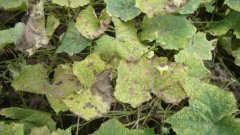
How to Treat Cowpea Fusarium Wilt? A Complete Guide to Prevention and Control Methods
Cowpea is a common vegetable on the market, and many people enjoy eating it, so how do you treat cowpea that has caught wilt disease? Let's take a look together. Cowpea (commonly known as "cai dou" in Taiwanese) has a growing season from April to September, and is an important edible pod vegetable in Taiwan, China, during the summer,
-
How to Tell Spring, Summer and Autumn Tea Apart? This Article Teaches You to Distinguish Them with Ease
In winter, the main growing part of the tea plant is the root, and amino acids are synthesized in the root of the tea plant and then transported to the tips. After winter dormancy, the tea plant has stored many nutrients internally; in winter and spring, sunlight is weak and the tea plant grows slowly, which is a main factor in the formation of certain aroma substances in tea. Therefore, spring tea has the advantages of a lustrous and oily color, a rich and fragrant aroma, a thick taste with a sweet aftertaste, and a soft and thick leaf base. In addition, spring tea is generally rather plump, stout and heavy, with more downy hairs, fine and dense leaf veins, and inconspicuous serrations along the leaf margin. In summer, temper
条件筛选