-
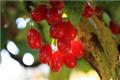
A Detailed Guide to Pest and Disease Control Methods and Medicinal Benefits of Cornus officinalis
Pest and Disease Control, Benefits and Effects of Cornus officinalis
-
Agarwood Planting Techniques and Pest and Disease Control Methods
[Agarwood Planting] Agarwood Cultivation and Pest and Disease Control
-

Key points of peach tree management techniques: what fertilizer to use for topdressing, and how to prevent and control pests and diseases
Key points of spring management for peach trees
-
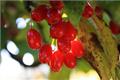
Precautions for Planting and Caring for Dogwood and Methods for Pest and Disease Control
Precautions for Planting and Caring for Dogwood and Pest and Disease Control
-
Key Technical Points for Planting, Seedling Cultivation and Pest and Disease Control of Yiyang Poplar
Planting, Seedling Cultivation and Pest and Disease Control Techniques for Yiyang Poplar
-
How to care for a dichondra lawn so it stays disease-free
Caring for a dichondra lawn: how to grow dichondra so it stays disease-free
-
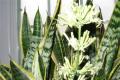
A detailed guide to snake plant care, learn to grow it with ease
The big reveal of snake plant care methods
-
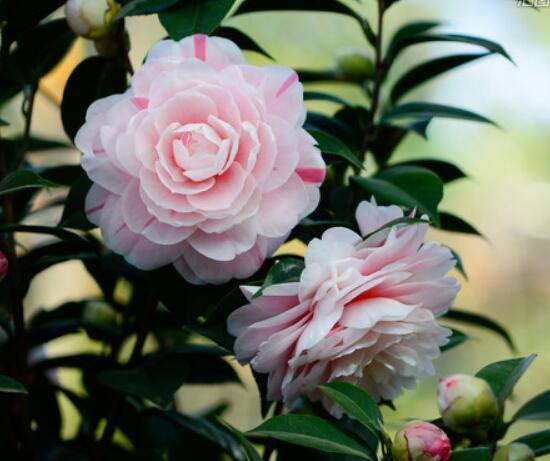
How to prevent and control camellia pests and diseases? A full breakdown of practical control methods
Camellia leaf spot disease occurs severely during the plum rain season in the south. First, small silvery-gray round spots appear on the leaves, then they grow larger and larger, and finally many lesions merge together, producing many small black dots on top. These black dots are the conidia of the pathogen, and when they fall onto other leaves they can continue to cause disease, expanding the infection.
-
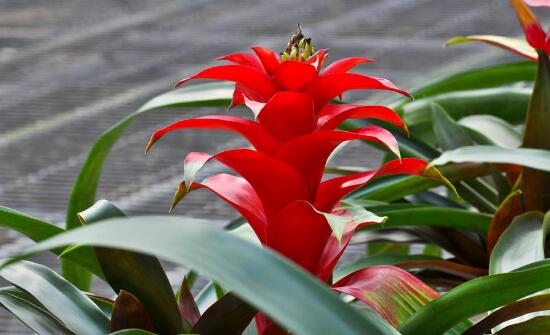
How to prevent and control common pests and diseases of the bromeliad (Guzmania)?
The most common diseases of the bromeliad are heart rot and root rot. In plants affected by heart rot, the tissue at the base of the leaf cup softens and rots, with a foul odor. In plants with root rot, the root tips turn blackish-brown or rot. Poor drainage of the growing medium or overwatering, water pH that is too high, poor ventilation during seedling packaging, and seedlings left piled up too long before planting
-
What diseases are prone to occur in cut-leaf asparagus fern?
The small branches of asparagus fern turn yellow but do not fall off, mainly caused by insufficient nutrients in the potting soil and malnutrition. Some cases are due to the potting soil being hard and compacted, poor aeration, and reduced root vitality. In addition to repotting in spring with organic-rich potting soil, the surface of the potting soil should be loosened frequently, and fertilization should be strengthened.
条件筛选