Key Technical Points for Planting, Seedling Cultivation and Pest and Disease Control of Yiyang Poplar
Yiyang poplar is a landscape tree species relatively suitable for garden landscaping, with fairly high ornamental value. However, if it is cultivated improperly and becomes infested by pests, it will lose its original value.
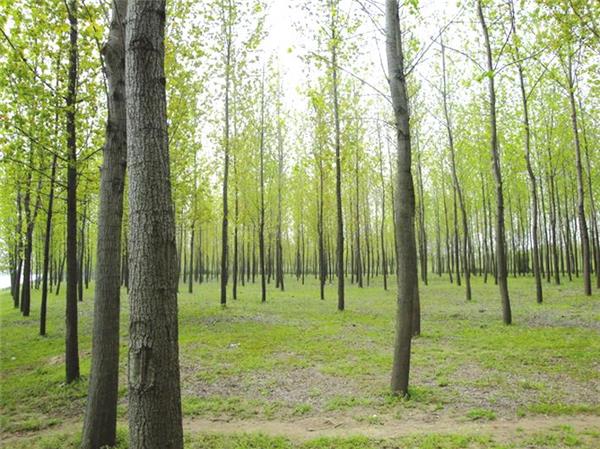
Planting and Seedling Cultivation Techniques for Yiyang Poplar
Preparation: Yiyang poplar has strong rooting ability, and cutting propagation is its main cultivation method. Choose flat terrain, abundant sunlight, fertile and loose soil, and well-drained sandy loam or light loam for seedling cultivation. Prepare the land carefully, plowing about 40 cm deep, and after leveling, make seedling beds with a bed surface width of 1.2 m. It is best to use 10-15 kg of ferrous sulfate per mu mixed with topsoil for disinfection. Apply sufficient base fertilizer, with 600 kg of barnyard manure and more than 60 kg of superphosphate per mu.
Deep planting in large holes, firming the soil: Yiyang poplar seedlings easily form adventitious roots, and deep planting in large holes helps promote seedling survival. The standard for deep planting in large holes is that the hole diameter and hole depth should be no less than 80 cm, and the planting depth of the seedling should be no less than 60 cm. The planting method is: place the Yiyang poplar seedling into the already dug tree hole, spread the roots out; then fill in topsoil, and when half filled, lift the seedling slightly upward, firm the filled soil, and then continue filling and firming the soil. When the filled soil is 15-20 cm from the ground, water thoroughly once, with the amount of water preferably filling the tree hole. After the water infiltrates, straighten the seedling and mound the soil into a steamed-bun shape, and finally cover with plastic film to keep warm and retain moisture.
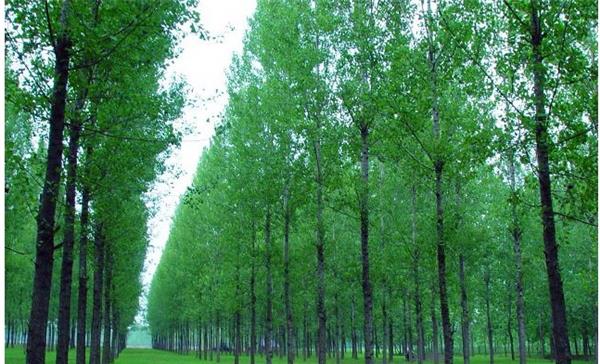
Cuttings: The suitable period for autumn planting is from mid-November to early December, not later than mid-December; planting is not suitable once the soil freezes. Spring planting of Yiyang poplar (especially the I-72 and I-69 varieties) is suitable in mid-to-late March. Use 1-year-old Yiyang poplar seedlings 2.5-3 m tall as planting stock. Cut the upper end of the cuttings flat 1 cm from the bud, and cut the lower end into a horse-ear shape. Before cutting, soak the cuttings in clean water for more than 24 hours. The cutting depth should preferably have the upper cut end level with the ground or exposed 1-2 cm. After insertion, firm the soil, with row spacing and plant spacing both 30-60 cm, and insert 3500-4000 plants per mu.
Growth period management: Irrigate timely before the cuttings root, and after rooting, weed and fertilize promptly. Usually, weed, loosen the soil and fertilize once each in late April and mid-June, applying 15-20 kg of urea per mu each time, and control pests and diseases promptly. After the cuttings survive, a small number of sprouts will grow. When the young sprouts grow to about 20 cm, choose to keep the most robust one and cut off the rest. Prevent the newly planted Yiyang poplar seedlings from being damaged. After rain or snow, straighten the seedlings and mound soil promptly. Where conditions permit, the lower part of the trunk of newly planted Yiyang poplars can be whitewashed to reduce pest and disease damage.
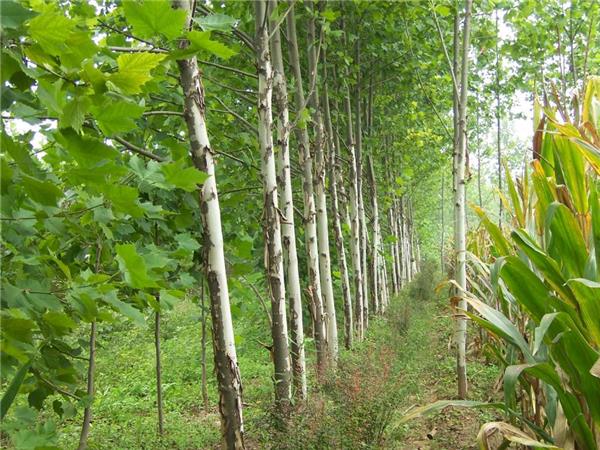
Pest and Disease Control of Yiyang Poplar
Rust disease: During the leaf expansion period of poplars in spring, deformed diseased buds covered with yellow powder masses can be seen on the tree body. In Jianhu County, when the temperature rises to 16°C at the end of March and the beginning of April, diseased buds appear one after another, unfolding 1-2 days earlier than healthy buds and drying up after about 3 weeks. The period during which diseased buds appear one after another is about 4 weeks, but mass appearance is mainly in mid-to-late April, with May-June being the peak incidence period. Control method: In early spring, remove diseased buds early and put them into bags to prevent the spread of summer spores, then spray with zineb, Bordeaux mixture, lime sulfur mixture, etc.
Clostera anachoreta: Once Clostera anachoreta breaks out, it will eat all the leaves within 3 days. It usually has 5 generations per year. The first generation occurs in early-to-mid May, the second generation in mid-to-late June, the third generation from late July to early August, the fourth generation in late August, and the fifth generation in mid-to-late September, with the third and fourth generations causing the greatest damage. Control method: Before the 3rd instar, Clostera anachoreta spins silk to bind leaves and form insect bags; removing the insect bags early can kill large numbers of larvae; use a high-reach sprayer to spray the tree canopy with a mixture of 40% dimethoate emulsifiable concentrate (1000x) and 2.5% deltamethrin emulsifiable concentrate (2500x), or 40% acephate emulsifiable concentrate at 800-1000x; drill holes at the base of the trunk and inject diluted omethoate.
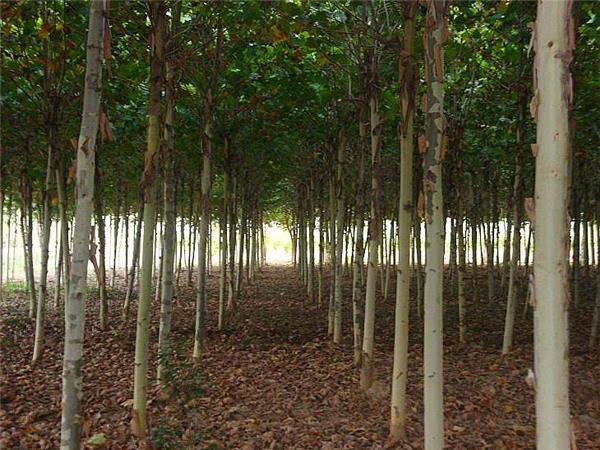
Cultivating Yiyang poplar is actually relatively simple, but this simplicity does not mean it can be left to grow at will. We still need to provide proper care where attention is needed, so as to ensure its healthy and vigorous growth and then play its role in beautifying our living environment.