Agarwood Planting Techniques and Pest and Disease Control Methods
Agarwood is a tree species that possesses both ornamental and economic value. It can not only be used for urban greening and garden landscaping, but its trunk can also be used for timber selection, so agarwood has considerable cultivation value.
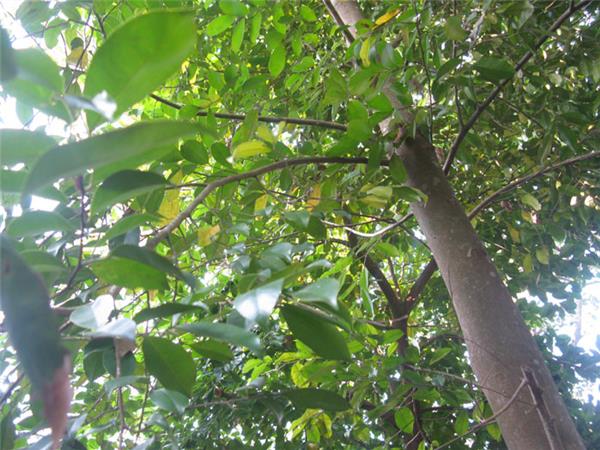
Key Points for Planting Agarwood
Soil: It can grow in acidic sandy loam, yellow loam and red loam. In the wild state, it grows slowly and poorly in barren clay, but compared with environments with good water and fertilizer conditions, the wood is more solid, the fragrance is rich, the resin is abundant, and it is easy to form agarwood, with better quality; while under conditions of deep, fertile soil, the wood and bark tissues are loose, less resin is secreted, very little agarwood forms, and the quality is also poor.
Planting: In spring, during the 2nd to 3rd lunar month when temperatures rise, when the spring shoots begin or have not yet sprouted, choose cloudy and rainy days for transplanting, and survival after planting is easy. Seedlings with culture cups can be transplanted throughout the year. When planting seedlings, the seedlings should be upright, the root system should be spread out, soil should be added in layers, compacted, and rooting water should be watered; the survival rate can reach over 95%.
Water: It prefers moisture and tolerates drought, requiring annual rainfall of 1500-2000mm. Seeds germinate quickly, and the emerged seedlings are not drought-tolerant. After transplanting the seedlings, water once in the morning and once in the evening to keep the soil moist. In the early stage after planting, water promptly according to weather conditions.
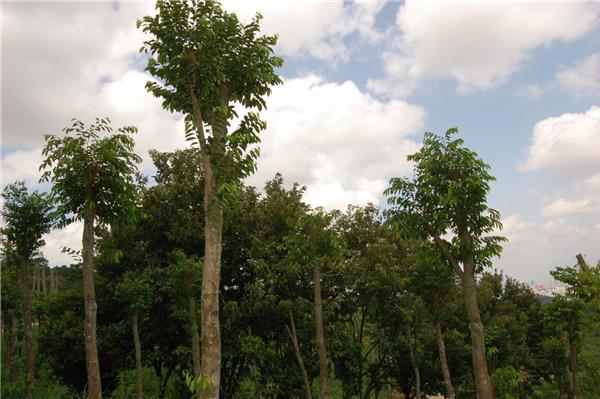
Fertilization: If the growth is not particularly poor and growth is especially slow, agarwood generally does not need special fertilization. Turning the weeds from weeding into the soil can already effectively increase organic matter for tree growth. If growth problems are indeed found, it is appropriate to apply human and livestock manure urine water before the spring shoots sprout during February to March, to promote shoot growth and sprouting and accelerate growth. In principle, agarwood formed from the natural growth of planted agarwood will be purer and easier to form.
Temperature: It prefers a high-temperature environment, requiring an annual average temperature above 20°C and a maximum temperature above 37°C for good growth and development; it can also adapt to a minimum temperature of 3°C and brief low-temperature frost in winter.
Light: Seedlings are shade-tolerant and not tolerant of exposure to strong sunlight, but the shade should not be too heavy; 40%-50% is suitable. Adult trees prefer light, and light can ensure normal flowering and fruiting, full and strong seeds, and promote the formation of high-quality agarwood.
Pruning: Agarwood trees are tree species that form agarwood in the trunk, so to promote trunk growth and facilitate agarwood formation, timely pruning is essential. Gradually cut off the lower branches, diseased and pest-infested branches, and overly dense branches.
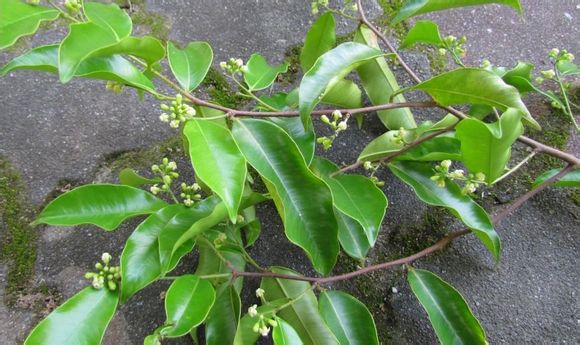
Common Pest and Disease Control of Agarwood
1. Seedling wilt: Seedling wilt occurs in seedbeds and causes seedlings to wilt and die. Old seedbeds, poor drainage and dense planting make it prone to occur. Disinfect the seedbed before planting and plant at a reasonable density; in the early stage of the disease, promptly remove diseased plants and drench the soil with 70% Dexon 1000-1500 times solution or 50% carbendazim 800 times solution 2-3 times, with an interval of 7-10 days each time.
2. Anthracnose: Anthracnose harms leaves, initially as small brown spots, later expanding into circular, oval to irregular spots; some lesions show concentric rings, and in severe cases the leaves fall off. Rainy and humid weather and heavy dew favor the occurrence of the disease. In the early stage of the disease, spray 80% anthracnose Fumei 600-700 times solution or 75% chlorothalonil 400-600 times solution 2-3 times, with an interval of 7-10 days each time.
3. Leaf roller: Leaf rollers cause damage between summer and autumn each year. The larvae spin silk to roll up leaves and hide inside to feed on the leaf mesophyll, thereby weakening photosynthesis and affecting normal growth. When rolled leaves are found, cut them off promptly and bury them deeply in a centralized place to reduce pest damage. This pest is a major pest of white agarwood, and in severe cases it eats all the leaves. Before the pest rolls the leaves, or at the initial hatching stage of the eggs, spray 25% chlordimeform diluted 500 times solution; or 80% dichlorvos emulsifiable concentrate 600-1000 times solution, spraying once every 5-7d, for 2-3 consecutive times.
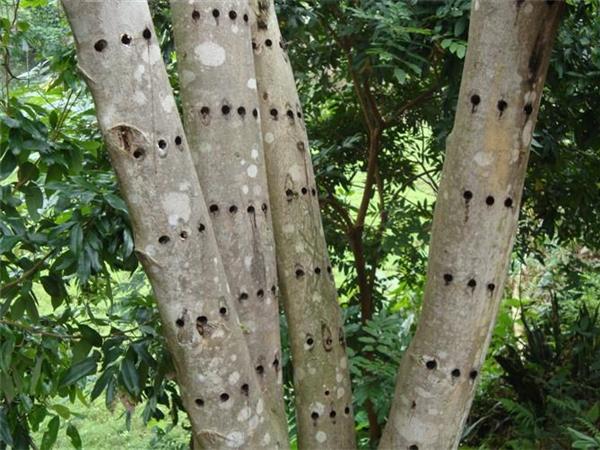
The planting management of agarwood is relatively simple. What needs attention is only some daily care items, and there is nothing that requires particularly high technical skill, so if any friends want to plant some trees in their courtyard, agarwood will be a good choice.