How Does a Peace Lily Survive Winter? Master the Four Steps: Keep It Warm, Water Less, Stop Fertilizing, Increase Light
The peace lily has poor cold tolerance. It grows very slowly in environments below 10 degrees, and if the temperature drops even lower, it may suffer frost damage or even die. So how a peace lily survives winter is a concern for many people. In fact, doing four things well can easily solve this problem.
How Does a Peace Lily Survive Winter
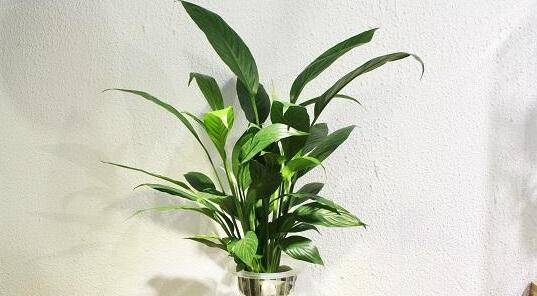
Since winter is completely different from other seasons in terms of temperature and light, and natural conditions are not favorable for peace lily growth, we can use certain methods to create a suitable environment for the peace lily to survive. So how does a peace lily survive winter? Let's look at the details from four aspects: temperature, watering, light, and fertilizing.
1. How to Water a Peace Lily in Winter
In winter, water evaporates more slowly, and the peace lily grows slowly and has lower water requirements, so watering can be appropriately reduced. How often should a peace lily be watered at this time? Generally once every 10-15 days, and the amount of water can be one third less than in spring and summer.
2. How to Keep a Peace Lily Warm in Winter
In most parts of China, outdoor temperatures in winter fall below 10 degrees, so to prevent the peace lily from suffering frost damage, we should take measures to keep it warm. So how does a peace lily survive winter in the north and the south? Two methods can solve this. First, move the peace lily indoors to a warm environment for care; second, cover the peace lily with a plastic bag to keep it warm.
3. Should a Peace Lily Be Fertilized in Winter
Usually, there is no need to fertilize a peace lily in winter, because at this time it basically enters a dormant state and has very little demand for nutrients. If the nutrients contained in the potting soil are sufficient, there is no need to supplement them. Before winter arrives, it should be fertilized once, and then fertilizing begins after growth resumes in spring.
4. Appropriately Increase Light
From the peace lily's cultivation methods and precautions, we know that the peace lily is afraid of direct strong light. In winter, we can place the peace lily in a spot where the morning and evening sunlight is not strong for care, which can both keep it warm and increase light. It can also be placed in a bright spot for growing. Ensuring sufficient light is very important.
Precautions for Peace Lilies in Winter
1. Water Only Halfway Through
Normally when watering, it is recommended to water thoroughly, but in winter it can be adjusted appropriately. Each watering only needs to go halfway through, meaning the amount of water is half of the usual amount. Soil that is too wet is unfavorable for the peace lily to survive winter safely.
2. Prune Yellow Leaves
When autumn and winter arrive, the peace lily will show some leaves turning yellow as the temperature drops. Some of this is a natural phenomenon of metabolism. Before spring arrives, these withered yellow leaves can be pruned off to avoid wasting nutrients.
How to Fertilize a Peace Lily, How Often to Fertilize a Peace Lily / Fertilizing Methods at Different Stages
As is well known, in the peace lily's cultivation methods and precautions, fertilizing is a very important part, because the growth and flowering of the peace lily both require fertilizer. So how should a peace lily be fertilized correctly? Let me tell you the answer.
How to Fertilize a Peace Lily
The principle for fertilizing a peace lily is light fertilizer applied frequently, which means neither fertilizing too much nor too little. So how should a peace lily be fertilized? Let's look at the details from two aspects: fertilizing time and fertilizer choice.
What Fertilizer to Use for a Peace Lily
Generally speaking, the fertilizer suitable for a peace lily is inorganic fertilizer. Leaf fertilizer, cake fertilizer, or compound fertilizer can also be used. If solid fertilizer is used, then when fertilizing, attention should be paid to rinsing with clear water, or buying fertilizer that has already been diluted, to avoid the fertilizer concentration being too high.
How Often to Fertilize a Peace Lily
1. When Planting
How should a peace lily be fertilized when potting? The answer is to apply base fertilizer. A small amount of organic fertilizer or a small amount of cake fertilizer can be added to the bottom of the pot, which helps make the nutrients contained in the soil more sufficient.
2. During the Growing Period
When the peace lily is in its growing period, its growth rate is the fastest, and the amount of fertilizer needed at this time is also relatively large. Generally, fertilizer should be applied once every 1-2 weeks. Liquid fertilizer can be used, and after fertilizing, an appropriate amount of water can be given.
3. Late Autumn and Winter
In late autumn and winter, the temperature drops. Even if warmth-keeping measures are taken, the temperature is usually still below 15 degrees. At this time, the peace lily grows very slowly or even enters a dormant state, so fertilizing can be stopped at this time.
4. How to Fertilize a Peace Lily During the Flowering Period
Before the flowering period arrives, nitrogen fertilizer can be added, which can promote flowering in the peace lily and make the flowers more vibrant. During the flowering period, reduce the frequency of fertilizing, and fertilize once every 3-4 weeks. After the flowering period ends, phosphorus and potassium fertilizer can be applied, which can promote the growth of new buds. After normal growth resumes, fertilize once about every 2 weeks.
Precautions for Fertilizing a Peace Lily
1. Do Not Apply Fertilizer on the Leaves
When fertilizing, do not sprinkle fertilizer on the leaves. Instead, apply it evenly around the roots. If fertilizer accidentally gets on the leaves, rinse with clear water to avoid the leaves turning yellow and withering from contact with the fertilizer.
2. Water Promptly After Fertilizing
Usually, watering should be done after each fertilizing. It can avoid adverse effects caused by excessive concentration, and also make the fertilizer easier for the peace lily to absorb, so the roots can absorb nutrients evenly and fully, and the leaves become more emerald green and glossy.
How to Water a Peace Lily
Temperature and Water
The peace lily is a plant that greatly likes high-temperature environments, and the environmental temperature must be ensured when growing it. In winter, the nighttime temperature should be controlled at around 15 degrees, and the daytime temperature should be above 20 degrees. If it stays in a low-temperature environment for a long time, the peace lily's leaves will drop. When the peace lily is growing, special attention should be paid to soil moisture, keeping it at a moderate level.
Humidity and Water
In summer, the temperature is high and water evaporates quickly. At this time, a spray bottle should be used to spray water mist on the leaves to keep the surrounding environment moist, which can effectively promote the growth of the peace lily. The summer climate is relatively dry, and the moisture in the air is relatively low. The new leaves that grow at this time will be affected, becoming yellow or even dropping.
Soil and Water
The soil chosen for a peace lily should have the characteristics of containing humus and being loose and breathable. Used mixed with charcoal ash and leaf mold, it is a very good growing environment. The peace lily grows very quickly, and at this time it needs a large amount of water. We water by irrigation and spraying, which can create an effective growing environment for it.
Light and Water
In autumn and winter, the water requirement decreases. At this time, reduce the amount of water and just keep the soil in a half-wet, half-dry state. The peace lily's growth has moderate requirements for light, but we must control the light intensity well and avoid direct strong light. Some shading measures are usually taken. If exposed to strong light, the leaves will dry up and grow poorly, which reduces the ornamental effect.
That is all for the introduction to the timing and methods of watering a peace lily. I hope it is helpful for everyone's peace lily cultivation!