What to do when the leaves of a Radermachera sinica turn black? Cut off the black leaves, repot, and spray to prevent pests and diseases
Growing plants at home has now become a popular trend, and Radermachera sinica has become the choice of many people because of its beautiful name, graceful form, and emerald-green leaves. In daily life, although Radermachera sinica is easy to grow, if you are not careful, its leaves will turn black. So what should you do when the leaves of Radermachera sinica turn black? The following are several causes of blackened leaves on Radermachera sinica and their solutions. Follow along with the editor to learn more.
1. There are 4 reasons why the leaves of Radermachera sinica turn black
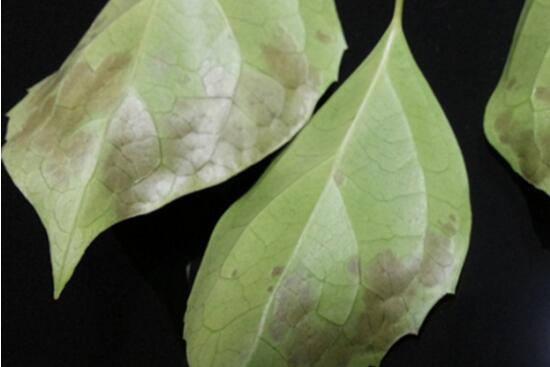
In home cultivation, Radermachera sinica is very popular because it grows beautifully, has an auspicious name, and more importantly, its cultivation method is very simple. But once it is improperly cared for, the leaves of Radermachera sinica will show symptoms of blackening, thereby affecting its ornamental value. As for the reasons why the leaves of Radermachera sinica turn black, the editor has summarized 4 points: too much watering, improper repotting, sudden environmental changes, and pest and disease damage.
1. Too much watering, drainage/repotting
Radermachera sinica likes a moist environment, so we need to keep the potting soil moist, but this is difficult for beginners to achieve, and they usually water too much. Once there is too much water, water accumulation occurs, which causes the roots of Radermachera sinica to have difficulty breathing. The result is symptoms such as root rot, yellowing leaves, and blackened leaves.
Solution: First cut off the black leaves, then promptly clear the accumulated water in the flowerpot, and when necessary, drain the water or replace the potting soil. To avoid overwatering, everyone must master the watering method for Radermachera sinica. Because it was introduced in detail earlier, it will not be repeated here.
2. Improper repotting
During the cultivation of Radermachera sinica, according to the plant's growth, we need to repot it appropriately. If improper operation during repotting causes damage to the roots, or if the seedling has not yet recovered during repotting, it may cause the leaves of Radermachera sinica to turn black.
Solution: If the Radermachera sinica seedling has not yet recovered, there is no need to worry. At this time, we only need to place the Radermachera sinica in a ventilated place and care for it carefully for a period of time and it will recover. Note: It must not be exposed to direct sunlight, and watering must not be excessive. Once you water, water thoroughly at one time. In addition, do not easily move the position of the Radermachera sinica flowerpot.
3. Sudden environmental changes
When growing plants indoors, special attention should be paid to not letting the environment change too much at once! If, while growing Radermachera sinica, it is during a seasonal transition, the outdoor temperature alternates between cold and hot, or the flowerpot is frequently moved, it may cause the leaves of Radermachera sinica to turn black.
Solution: First cut off the black leaves, then ensure that Radermachera sinica grows in a good environment, such as appropriate light and a ventilated placement position. After doing this, the harm to Radermachera sinica can be reduced, and only then will the probability of leaves turning black be lowered.
4. Pests and diseases
During the cultivation of Radermachera sinica, pests and diseases inevitably occur. Once it suffers from leaf spot disease, the leaves of Radermachera sinica will turn black, and this mostly occurs under conditions of high temperature, high humidity, and poor ventilation.
Solution: If you find that Radermachera sinica has leaf spot disease, you need to promptly remove the diseased leaves, and then spray the relevant chemicals according to the pest and disease control requirements for Radermachera sinica. In order to reduce the occurrence of leaf spot disease, it is best to keep the environment for growing Radermachera sinica ventilated, which can avoid diseases caused by long periods of stuffy heat and humidity.
Crape myrtle Lagerstroemia indica Crape myrtle illustrated guide: how to grow crape myrtle / how to propagate crape myrtle
Crape myrtle profileCrape myrtle Lagerstroemia indica
Crape myrtle cultivation methods and precautions Crape myrtle introduction
Crape myrtle, also known by the aliases Rujing'er tree, hundred-day red, mantanghong, and tickle tree. It is a dicotyledonous plant of the genus Lagerstroemia in the family Lythraceae. It is produced in southern Asia and northern Australia. It is distributed in East China, Central China, South China, and Southwest China, and is commonly cultivated in various places. The crape myrtle tree has a graceful posture, a smooth and clean trunk, and brilliant flower colors; when it blooms, it is exactly the summer and autumn season when few flowers bloom, and the flowering period is extremely long, from June to September, hence the name "hundred-day red." It also has the praise "in midsummer green shades the eyes, this flower reddens the whole hall." It is an excellent material for bonsai for viewing flowers, trunks, and roots. Main producing areas of crape myrtle include Jiangsu Changmei Flowers, Zhejiang, Anhui, Shandong, and other places.
Crape myrtle is also called hundred-day red. It is drought-tolerant and afraid of waterlogging, likes warmth and moisture, likes light, and likes fertilizer. It has strong resistance to sulfur dioxide, hydrogen fluoride, and chlorine gas, and can absorb harmful gases. Neutral soil or slightly acidic soil is better. According to measurements, each kilogram of leaves can absorb 10 grams of sulfur and still grow well. Crape myrtle can also absorb and retain dust. In a cement plant at a distance of 200-250 m from the pollution source, each sq m of leaves can absorb and retain 4042 grams of dust. Therefore, it is the most ideal tree species for urban and industrial-mining greening, and can also be used for bonsai. Crape myrtle also has medicinal effects. Li Shizhen discussed in "Compendium of Materia Medica" that its bark, wood, and flowers have the effects of invigorating blood and promoting menstruation, relieving pain, reducing swelling, and detoxifying. The seeds can be made into pesticide and have the effect of repelling and killing pests. The leaves treat white dysentery, the flowers treat postpartum incessant uterine bleeding and infantile rotten-head fetal toxin, and the roots treat carbuncles, swelling, and sores. It can be said to be a treasure from head to toe.
Morphological characteristics of crape myrtle
It is a deciduous shrub or small tree. Artificially cultivated in large numbers at the Jiangsu crape myrtle base. Crape myrtle is a small tree, sometimes shrub-like, 3-7 m tall; the bark easily falls off, and the trunk is smooth. Young branches are slightly four-angled and slightly winged. Leaves alternate or opposite, nearly sessile; leaves are elliptical, obovate, or oblong, 3-7 cm long and 2.5-4 cm wide, smooth and hairless or with hairs along the main vein. Panicles are terminal, 4-20 cm long; flower diameter 2.5-3 cm; calyx 6-shallowly lobed, lobes ovate, smooth outside; petals 6, purple, red, pink, or white, with irregular notches at the edges and long claws at the base; stamens 36-42, the outer 6 with longer filaments; ovary 6-locular. Capsule elliptical-globose, 9-13 mm long and 8-11 mm wide, dehiscing into 6 valves. Seeds winged. Flowering period June-September, fruiting period October-November. The older the trunk, the smoother it becomes. If touched by hand, the whole plant will tremble slightly.
Deciduous shrub or small tree, up to 7 m tall; bark smooth, gray or gray-brown; branches and trunk mostly twisted, branchlets slender, 4-angled, slightly winged. Leaves alternate or sometimes opposite, papery, elliptical, broadly oblong, or obovate, 2.5-7 cm long and 1.5-4 cm wide, apex shortly pointed or obtuse, sometimes slightly concave, base broadly cuneate or nearly rounded, hairless or with fine soft hairs along the midvein beneath, lateral veins 3-7 pairs, veinlets inconspicuous; sessile or petiole very short. Flowers pale red or purple, white, 3-4 cm in diameter, often forming terminal panicles 7-20 cm long; pedicels 3-15 mm long, both the rachis and pedicels pubescent; calyx 7-10 mm long, smooth and without ridges outside, but when fresh the calyx tube has slightly raised short ridges, hairless on both sides, lobes 6, triangular, upright, without appendages; petals 6, wrinkled, 12-20 mm long, with long claws; stamens 36-42, the outer 6 inserted on the calyx, much longer than the others; ovary 3-6-locular, hairless. Capsule elliptical-globose or broadly elliptical, 1-1.3 cm long, green to yellow when young, purple-black when mature or dry, dehiscing along the back; seeds winged, about 8 mm long. Flowering period June-September, fruiting period September-December.
The Song dynasty poet Yang Wanli praised it in a poem: "As if infatuated and drunk, it is beautiful and fine, pressed by dew and bullied by wind, it leans especially. Who says flowers cannot be red for a hundred days? Crape myrtle keeps blooming for half a year." Xue Hui of the Ming dynasty also wrote: "Crape myrtle flowers last the longest, brilliantly for a ten-xun period. In summer it passes beyond the autumn order, new flowers continue to bloom on the branches." Northerners call the crape myrtle tree "monkey prickle shed," meaning the tree body is too slippery for even monkeys to climb. Its precious quality is that it has no bark. Things are valued for being rare. Among the thousands of trees and plants in the world, how many are barkless? Young crape myrtle trunks produce outer bark every year and shed it by themselves every year. After the outer bark falls off, the trunk appears fresh and smooth. Old crape myrtle trees no longer produce outer bark on the trunk, and their veins stand out, smooth and glossy. After the crape myrtle tree grows up, the outer bark of the trunk falls off, leaving it smooth and barkless. If people gently touch it, the branches immediately sway and the leaves move, the whole body trembles, and it may even give off a faint "ge ge" sound. This is a whole-body reaction of its "fear of tickling," which is truly astonishing. Because its branches and leaves are too slender, a light touch makes them sway, just as if they were ticklish.
Cultivation techniques for crape myrtle
To plant crape myrtle, choose a wind-sheltered, sunny spot with deep soil, fertile soil, and good drainage. Large seedlings should be transplanted with a soil ball, and the branches should be properly pruned, otherwise the survival rate is relatively low. Apply decomposed organic fertilizer as base fertilizer in the planting hole, water thoroughly after planting, and water once more after 3 days. Crape myrtle buds relatively late. Under normal circumstances, it does not unfold leaves until mid-April to the end of April. Newly planted plants may sprout even later because their root systems are injured. Therefore, do not mistakenly think it has not survived and give up management.
After survival, plant management is relatively extensive. Crape myrtle has strong vitality and is easy to cultivate. It is not strict about soil requirements, but grows best when planted in deep, fertile sandy loam. It likes light by nature and should be planted in a wind-sheltered, sunny place or at the base of the south wall of a courtyard. Insufficient light not only causes the plant to have few flowers or no flowers, but may even cause weak growth and thin branches and small leaves. Crape myrtle is relatively cold-tolerant, but during the seedling stage, cold protection and heat preservation should be done well. Established plants more than three years old do not need heat preservation. Crape myrtle is drought-tolerant and afraid of waterlogging. Each year before spring growth begins and after leaf fall in autumn, it can be watered once with green-returning water and once with freezing water. At ordinary times, if it is not too dry, there is no need to water. Generally, during spring drought, water 1-3 times. In the rainy season, drainage should be done well to prevent root rot from excessive water. It is not suitable to water in autumn. Fertilizer can be applied each year after leaf fall in winter and before spring growth begins. Applying human manure or sesame paste residue is even better, which can make the plant grow vigorously the next year and produce large, brilliantly colored flowers. In order to make crape myrtle bloom abundantly and grow lush leaves, it should be shaped and pruned during the dormant period. Because crape myrtle inflorescences are borne at the tips of new branches of the current year, pruning should heavily cut back and shorten one-year-old branches so that nutrients are concentrated and branches grow robustly. Vigorous water shoots, dry branches, drooping branches, diseased and pest-infested branches, slender branches, and inward-growing branches should be cut off. During the young tree stage, lateral branches on the lower part of the main trunk should also be cut off in time so that the upper part of the main trunk can receive sufficient nutrients and form a good crown.
Crape myrtle cultivation and management are extensive, but dead branches and diseased and pest-infested branches should be cut off in time and burned. In order to prolong the flowering period, branches that have already flowered should be cut off in time so that they sprout again and grow the next round of flowering branches. In order to thicken the trunk, a large number of flowering branches can be cut off to concentrate nutrients for developing the trunk. Practice has proved that with proper management, crape myrtle can be made to bloom multiple times in one year through repeated pruning, for as long as 100-120 days.
Propagation and sowing
Crape myrtle seedling raising is mostly by root suckers and sowing. Root-sucker seedling raising can use wild shrub clumps for division and sucker transplanting, or fresh, robust seed roots can be collected and buried as sections (section length can be determined by the thickness of the seed root). The planting time can be chosen in early spring.
Crape myrtle sowing and seedling raising should pay attention to three important links: seed collection, seed storage, and field moisture preservation. Seed collection is generally in September-October, cutting and picking when the fruit changes from green to brown, then sun-drying until it splits and rubbing out the seeds. The timing of seed collection must be grasped well. Too early and the seeds are not mature; too late and the seeds will naturally fall off or dry up.
Before sowing, the seedling bed should be prepared first. Because the seeds are about the size of tobacco seeds, sowing is like "planting tobacco seedlings." The bed soil should be finely prepared, and sowing should be uniform (can be sown together with sand), covered with fine soil, and covered with rice straw to preserve moisture. When crape myrtle seedlings sprout, the moisture-preserving rice straw should be removed promptly, but care should still be taken to keep the seedling bed moist.
In early April, select good-quality seeds collected the previous year. Before sowing, they can be soaked in warm water at 40°C, or soaked in cool water, so that the seeds absorb water thoroughly. Then, open shallow furrows on the prepared beds at a row spacing of 30 cm, sow the seeds in the furrows, using 14-20 kg per mu, cover with shallow soil 0.5-1 cm thick after sowing, and press slightly. At 20°C, they generally sprout in 15-20 days.
When the seedlings grow to 3 cm, carry out the first thinning together with weeding, mainly pulling out clustered seedlings to improve ventilation and light conditions. When the seedlings are 5 cm tall, carry out the second thinning. At this time, keep seedlings at a plant and row spacing of 10-15 cm, leaving about 3000 seedlings per mu. June-August is the fast-growing period of crape myrtle. Combined with watering, apply 40 kg per mu of nitrogen-phosphorus-potassium compound fertilizer, following the principle of less and frequent application, for a total of 3 fertilizations. When there is a lot of rain, drain promptly to prevent waterlogging. During this period, cultivate and weed 3-4 times. When aphids or yellow nettle moths harm the seedlings, use 2.5% deltamethrin 2000-3000 times solution or 50% parathion for control; if powdery mildew occurs, use 70% thiophanate-methyl for control. Under this management, crape myrtle seedlings can reach 60 cm in the same year.
Key maintenance points
1. Strengthen light. Crape myrtle likes sunlight, and during the growing season it must be placed in an outdoor sunny place.
2. Water in a timely manner. In spring and winter, keep the potting soil moist. In summer and autumn, water once every morning and evening. During drought and high temperature, appropriately increase the number of waterings per day. Use river water, well water, rainwater, or tap water that has been stored for 2 to 3 days for watering.
3. Fertilize regularly. Excessive fertilization of potted crape myrtle can easily cause excessive growth of branches and leaves, while lack of fertilizer can instead lead to thin and weak branches, yellowing leaf color, weakened overall plant growth, and few or no flowers. Therefore, fertilize regularly. Apply more fertilizer during the peak growing seasons of spring and summer, less after autumn begins, and none after winter enters dormancy. Do not fertilize on rainy days or at noon during high summer temperatures. The fertilization concentration should follow the principle of "light fertilizer, frequent application." Apply once every 10 days from the Beginning of Spring to the Beginning of Autumn, apply once every half month after the Beginning of Autumn, and stop fertilizing after the Beginning of Winter.
4. Prune reasonably. Crape myrtle is tolerant of pruning, has strong branching ability, and has a large amount of new shoot growth. Therefore, after flowering, cut off the spent flowers, which can prolong the flowering period. Cut off vigorous water shoots, overlapping branches, crossing branches, radiating branches, and diseased branches at any time to avoid consuming nutrients.
5. Repot in a timely manner. Potted crape myrtle should have its potting soil changed every 2 to 3 years. Use a mixed culture soil of 5 parts loose mountain soil, 3 parts garden soil, and 2 parts fine river sand. When repotting, bone meal, soybean cake powder, and other organic fertilizers can be used as base fertilizer, but the fertilizer must not directly contact the root system, so as not to damage the roots and affect plant growth.
Disease control of crape myrtle
Crape myrtle is a landscaping tree species susceptible to pests and diseases. As far as the Tianshui area is concerned, it has beautiful scenery and a pleasant climate and is the place most suitable for crape myrtle growth, but in the long-term cultivation and management process, we have also discovered many problems. Below, the occurrence patterns and control methods of some major pests and diseases of crape myrtle are introduced as follows.
Powdery mildew
Powdery mildew is a worldwide disease with a very wide host range, and crape myrtle is one of its important targets. Crape myrtle powdery mildew occurs commonly in provinces and cities in China where crape myrtle is planted. After onset, it often causes crape myrtle leaves to wither, yellow, and fall off, directly affecting tree vigor and ornamental effect.
1.1 Symptoms - Powdery mildew is a fungal disease that mainly harms leaves, and young leaves are more easily infected than old leaves. The disease also harms branches, young shoots, flower buds, and flower buds. In the early stage of onset, small white powdery spots appear on the leaves. After expanding, they become round or irregular faded patches, covered with a layer of white powdery mildew. Later, the white powdery mildew layer turns gray. After flowers are infected, their surfaces are covered with a white powdery layer, and the flower spikes become deformed and lose ornamental value. Plants attacked by powdery mildew become shorter, young leaves twist, deform, and wither, leaves do not unfold and become smaller, branches deform, and in severe cases the entire plant dies.
1.2 Occurrence pattern - Crape myrtle powdery mildew overwinters as mycelium on diseased buds, diseased branches, or fallen leaves. When the temperature is suitable the following spring, the overwintering mycelium begins to grow and develop, producing large numbers of conidia, which spread and infect by air currents. In the Tianshui area, the disease generally begins in April, tends to become severe in June, slows or stops in July-August because of hot, dry weather, but may break out again in September-October. Powdery mildew occurs severely in the rainy season or under conditions of relatively high humidity. Excessive nitrogen fertilizer, overly dense planting, or poor ventilation and light transmission all favor onset.
1.3 Control methods:
1.3.1 Horticultural control: Crape myrtle has strong sprouting ability, so for severely affected plants, all current-year branches can be cut off in winter and burned centrally, thereby thoroughly eliminating the source of disease. If potted crape myrtle at home is found to be infected with powdery mildew, remove the diseased leaves promptly and place the potted flower in a ventilated and light-transmitting place. For field cultivation, control the planting density well, strengthen daily management, pay attention to increasing phosphorus and potassium fertilizer, control the application amount of nitrogen fertilizer to improve plant disease resistance; at the same time, also pay attention to selecting disease-resistant varieties.
1.3.2 Chemical control: When the disease is severe, spray 3-4° Baumé lime sulfur before spring budding; during the growing season when the disease occurs, spray 80% zineb wettable powder 500 times solution, or 70% thiophanate-methyl 1000 times solution, or 20% triadimefon emulsifiable concentrate 1500 times solution, or 50% carbendazim wettable powder 800 times solution for control.
Brown spot disease
Brown spot disease is also a disease that occurs widely on garden plants and often occurs during the crape myrtle growing season. When brown spot disease is severe, it often causes large numbers of plant leaves to wither, yellow, and fall off. It affects ornamental value and flowering.
2.1 Symptoms - The pathogen of crape myrtle brown spot disease is also a fungus. It mainly attacks leaves, and usually the lower leaves begin to show disease, then it gradually spreads upward. In the early stage of onset, the spots are round or nearly round in varying sizes, with a few irregular in shape. The spots are purplish black to black, with lighter edges, and afterward the spot color deepens, appearing black or dark black, with a clear boundary from healthy parts. In the later stage, the center of the spot becomes lighter in color and bears small gray-black mold dots. When the disease is severe, the spots connect into patches, and the entire leaf rapidly turns yellow and falls off early.
2.2 Occurrence pattern - Crape myrtle brown spot disease is caused by infection by Cercospora of the family Lythraceae. The pathogen overwinters in the form of mycelium or conidiomata on diseased residues. The following year it undergoes primary infection and reinfection through conidia and spreads by air currents or wind and rain. In the Tianshui area, brown spot disease generally begins in early summer and is severe in autumn. It is prone to outbreak in years or seasons with high temperature and abundant rain, especially frequent storms; usually lower leaves are more easily infected than upper leaves.
2.3 Control methods:
2.3.1 Horticultural control: Discover early, promptly remove diseased branches and diseased leaves, and burn or bury them deeply centrally to reduce the source of pathogens. Strengthen cultivation management and shaping and pruning so that the plant is ventilated and receives light. For home potted plants, it is best to replace the soil with new soil every year.
2.3.2 Chemical control: In the early stage of onset, spray 50% carbendazim wettable powder 500 times solution, or 65% zineb wettable powder 1000 times solution, or 75% chlorothalonil wettable powder 800 times solution for control.
Sooty mold
Sooty mold, also called soot disease, occurs commonly on garden plants throughout China. Its attack on crape myrtle mainly occurs after crape myrtle is harmed by crape myrtle felt scale and crape myrtle spotted aphid, that is, it uses the sticky liquid they excrete as nutrients, inducing massive reproduction of sooty mold pathogens. After onset, the leaf surfaces of diseased plants are covered with a black mold layer, which not only affects the ornamental value of crape myrtle but also affects leaf photosynthesis, causing weakened plant growth and early leaf fall.
3.1 Symptoms - The pathogen of crape myrtle sooty mold belongs to the fungi, but there are many types of sooty mold pathogens, and the same plant can be infected by multiple pathogens, with slight differences in their respective symptoms, but a black mold layer or black soot layer is an important feature of the disease. Sooty mold mainly attacks leaves and branches. The disease first infects the upper surface of leaves along the main vein, then gradually covers the entire leaf surface. When severe, the leaf surfaces, branches, and even petioles are covered with black soot-like material. These black powdery substances block leaf stomata and hinder normal photosynthesis.
3.2 Occurrence pattern - The pathogen of sooty mold overwinters in the form of mycelium or ascocarps on diseased leaves and diseased branches. Because the sticky liquid excreted by crape myrtle spotted aphid and crape myrtle felt scale provides nutrients for the sooty mold pathogen, sooty mold generally occurs in large amounts after these 2 pests occur. Late June to early September is the peak harm period of crape myrtle felt scale and crape myrtle spotted aphid. Moreover, the high temperature and high humidity at this time also favor the occurrence of this disease, so spring (caused by overwintering pathogens) and autumn (caused by felt scale and spotted aphid) are the peak occurrence periods of crape myrtle sooty mold. In the Tianshui area, 1-2 generations occur per year.
3.3 Control methods:
3.3.1 Horticultural control: (1) Through measures such as thinning and pruning, make the trees ventilated and light-transmitting; (2) promptly control aphids, scale insects, whiteflies, etc., because the secretions of these insects are precisely the basis for the existence of sooty mold pathogens.
3.3.2 Chemical control: Commonly used chemicals are lime sulfur. Use 3° Baumé lime sulfur in winter and 0.3° lime sulfur in summer and autumn. Trithion or Litsea cubeba leaf juice can also be used for control. Or spray 50% carbendazim wettable powder 500-800 times solution, 70% thiophanate-methyl 500 times solution, etc.
Yellow nettle moth
The yellow nettle moth is medium in size. Its larva is a stinging caterpillar, commonly known as yanglazi, and is one of the main omnivorous leaf-eating pests of garden flowers.
4.1 Damage characteristics - The yellow nettle moth mainly causes damage by larvae chewing. Newly hatched larvae generally gather on the underside of leaves to feed on leaf flesh, making the leaves appear sieve-like; older larvae crawl and spread to cause damage, and directly devour leaves. In severe cases, leaves are eaten completely, leaving only petioles and veins.
4.2 Occurrence pattern - The yellow nettle moth overwinters as mature larvae spinning cocoons on damaged branches and trunks. Adults emerge each year in May-June. After mating and laying eggs, the first-generation larvae can be observed in late June. The larvae have 7 instars, and overlapping generations often occur. The peak damage period is July-September.
4.3 Control methods:
4.3.1 Horticultural control: In winter, combined with pruning, remove overwintering cocoons on branches, thereby eliminating or reducing the pest source.
4.3.2 Physical control: For home potted crape myrtle, after leaf fall, manually remove overwintering cocoons, which can thoroughly eliminate the pest source. In field production, black light traps can be set up during the adult emergence period to trap and kill adults.
4.3.3 Chemical control: For chemical control, it is best to apply chemicals before the larvae spread. Spray 80% dichlorvos emulsifiable concentrate 1000 times solution, or 50% phoxim emulsifiable concentrate 1000 times solution, or 2.5% deltamethrin emulsifiable concentrate 4000 times solution for control.
Crape myrtle may also be harmed by green nettle moths or brown nettle moths, but they all belong to the nettle moth group. Apart from slight differences in morphology, they are very similar in living habits and occurrence patterns and can be controlled together when controlling the yellow nettle moth.
Actias selene ningpoana
Actias selene ningpoana, also known by the aliases water-green moth, swallowtail moth, and long-tailed moth, belongs to the order Lepidoptera and family Saturniidae; it is distributed in most provinces and cities in North China, Central China, East China, and Southwest China. It harms many fruit trees and garden seedlings.
5.1 Morphological characteristics:
Adult body length 35-40 mm, wingspan about 122 mm; body surface has deep white fuzz, wings powdery green, forewings passing through the prothorax purplish brown, with an eye-shaped spot in the center of the wing, hindwings with tail-like projections, 40 mm long. Eggs spherical and slightly flattened, 2 mm long, gray-brown. Larvae can reach about 80 mm long, yellow-green, with nodular protrusions on body segments, among which the 4 on the mesothorax and metathorax and 1 on the back of the 8th abdominal segment are especially large, and the nodules bear brown and white long hairs. Pupa body length 45-50 mm, reddish brown, with a light-colored patch in the frontal region. Cocoon oblong-ovate, gray-yellow or gray-brown.
5.2 Occurrence pattern - In the Tianshui area, 2 generations can occur per year; cocoons are usually made on branches, and larvae hatch in early to mid-May. The larvae have 5 instars in total, lasting 36-44 days. Mature larvae begin to pupate in early June, reaching the peak in mid-June. The pupal period lasts 15-20 days. First-generation adults emerge and lay eggs from late June to early July; larvae hatch in early July and by the end of September mature larvae spin cocoons and pupate. The overwintering pupal period is 6 months.
5.3 Damage characteristics - Damage is caused by larvae feeding on leaves. Young larvae eat leaves into notches or holes, and after growing slightly larger they eat the entire leaf, leaving only petioles or thick veins.
5.4 Control methods:
5.4.1 Horticultural control - The overwintering pupae of Actias selene ningpoana are very large, making manual killing easy. Older larvae can reach 80 mm long, have strong resistance, and have an astonishing food intake, so chemical control is relatively difficult, and manual capture can be adopted.
5.4.2 Chemical control - For chemical control, pay attention to early detection and early prevention, and ensure as much as possible that chemicals are applied before the larvae reach the 3rd instar; spray 50% fenitrothion emulsifiable concentrate 800 times solution, or 80% dichlorvos emulsifiable concentrate 1000 times solution, or 90% crystalline trichlorfon 1000 times, or 2.5% deltamethrin emulsifiable concentrate 3000 times solution for control.
Crape myrtle spotted aphid
In northern China, 5-8 generations occur each year, overwintering as eggs near buds and shoot tips. May is the early stage of onset, June is the peak period. Nymphs and adults gather to harm young leaves, piercing and sucking sap, affecting growth and development.
Control methods:
6.1 In early spring, scrape off old bark and cut off damaged branches and burn them centrally to eliminate overwintering eggs.
6.2 Strengthen cultivation management measures to reduce the source of disease.
6.3 When there are large numbers of aphids, use 40% omethoate, 40% acephate 1000-1500 times solution, or spray derris extract 1000-2000 times solution, but be careful to avoid chemical damage.
6.4 Where conditions permit, artificially breed and release natural enemies, such as: Harmonia axyridis and green lacewing larvae.
6.5 Use colored boards to trap and kill, sticking winged aphids, or use white tin foil reflection to repel migrating aphids from settling.
Propagation methods of crape myrtle
Propagation techniques: The crape myrtle tree has a graceful posture, a smooth trunk, brilliant flower colors, and a particularly long flowering period. It can last more than a hundred days from summer to autumn and is an excellent ornamental. It can be used both for beautifying courtyards, parks, and green spaces and for potted ornamental display. Crape myrtle likes sunlight by nature, is slightly shade-tolerant, drought-tolerant and averse to waterlogging, tolerant of pruning, and strong in sprouting and suckering. It also grows well on calcareous soil and has relatively strong cold resistance. Crape myrtle can be propagated by sowing, cuttings, layering, division, grafting, and so on.
Sowing propagation
A large number of robust and uniform seedlings can be obtained at one time. Collect mature seeds from November to December [11], remove the fruit skin, dry the seeds slightly, and store them dry in a container. In March of the following year, sow in wide strips or broadcast on a sandy loam seedling bed, cover with a layer of fine burned mud ash to the extent that the seeds are not visible, and cover with grass. They germinate and emerge in more than 10 days. Remove the grass promptly. When the seedlings have 2 pairs of true leaves, thin them after rain; weed frequently during the seedling stage, apply light fertilizer 2-3 times in June-July, irrigate to prevent drought in early summer, and by the end of the year the seedlings are about 40-50 cm tall. Robust ones can bloom in the same year and should be cut off promptly. Transplant and grow them larger at the Spring Equinox the following year.
Cutting propagation
Cutting propagation is divided into hardwood cuttings and softwood cuttings.
Hardwood cuttings are generally carried out from mid-to-late March to early April before the branches sprout. Select robust one-year-old branches, cut them into 15 cm long cuttings, and insert them into a loose, well-drained sandy loam seedling bed. The insertion depth should be such that the uppermost bud of the cutting is exposed. After insertion, water thoroughly and cover with plastic film to preserve moisture and heat. When the seedlings grow to 15-20 cm, the film can be lifted and replaced with a shade net, watering in a timely manner. In the same year the branches can grow to about 60-80 cm.
Softwood cuttings are carried out in July-August, when new branches grow vigorously and are most energetic. Select semi-lignified branches, cut them into 8-10 cm long cuttings, and keep 2-3 leaves at the upper end. The insertion depth is 3-4 cm. After insertion, water thoroughly and set up a shade shed for shading. They generally root in about 20 days. Remove the film, keep the shade net, and water in a timely manner. In the same year the branches can grow to about 60-80 cm, with a very good survival rate.
Division propagation
In early March-April or autumn, dig out the sucker seedlings sprouting from the root crown of the plant with roots, properly prune the root system and branches, and plant them separately. Small seedlings can be bare-rooted, while large seedlings should be with mud balls. During tending, they should be pruned and shaped frequently to maintain a graceful tree shape and promote luxuriant flowering branches.
Layering propagation
Layering propagation can be carried out throughout the crape myrtle growing season, and March-April in spring is better. For air layering, select 1- to 2-year-old branches, use a sharp knife to score and ring-bark the bark for about 1.5 cm, exposing the xylem, apply rooting powder solution (diluted according to instructions) about 3 cm above the scored part, and after it dries, wrap a cylindrical plastic bag around the scored part, fill it with loose garden soil, water it, and tie both ends tightly. Check after one month; if the soil is too dry, replenish water to preserve moisture. After rooting, cut it off and plant separately.
Grafting method
Crape myrtle has several variants, such as silver crape myrtle, with white flowers; emerald crape myrtle, with blue-purple and light purple flowers; red crape myrtle, with peach-red and deep red flowers, etc.; grafting several different flower-colored one-year-old or two-year-old branches onto the same tree all achieve a survival rate of more than 98%. The specific method is: carry out from late February to early March before crape myrtle branches sprout. When grafting, select robust seedling-grown plants as rootstock, take branches of the desired flower color as scions, and use the cleft grafting method. First make a vertical cut about 5-8 cm deep on the outer part of the top of the rootstock, then take a 5-8 cm long scion with more than 2 buds, cut it into a wedge shape, insert it into the rootstock cleft, and align the cambium. Then wrap the entire scion branch completely with plastic film, exposing the bud tip. Using this method to graft branches of different colors in layers on the same rootstock forms one tree with multiple colors. After 2-3 months of grafting, the film can be loosened. At this time the scion top can reach 50-80 cm and should be cut short in time to avoid being broken by wind, and it can be cultivated into robust branches. Plants cultivated by this method have a very good survival rate.
From many years of practice, the author has summarized the following conclusion: among the five propagation methods, the seedlings cultivated by the latter four methods maintain the excellent characteristics of the scion in flower color. However, among them, the cutting and division methods produce many sprouting branches, which need to be removed in time. If you need to cultivate a tree 3-6 m tall, seedling-grown plants propagated by sowing are better, and the lateral branches produced are noticeably fewer, but the flower color of seedlings propagated by sowing is prone to variation.
Winter-spring layering
The time for layering is generally from November each year to February of the following year. First, on the prepared nursery land, open furrows 20-30 cm deep at a row spacing of 40 cm, and apply 2-3 cm of cow dung or horse dung in the furrows as base fertilizer. Combined with winter and spring pruning, select healthy mother plants with excellent varieties, large and brilliantly colored flowers, and no pests or diseases, take well-developed one-year-old or two-year-old branches, requiring a diameter of 1-4 cm, with no limit on length. After soaking in clean water for 2 hours, bury them diagonally along the furrows, then cover with soil and firm the roots, press the upper parts down along the furrows, cover with soil 10-15 cm thick, and water thoroughly once. Cover tightly with plastic film to increase temperature and preserve moisture, and cover with 2 to 3 layers of straw mats for freeze protection. On clear days, the straw mats can be removed during the day to increase temperature and put back in the evening. With such treatment, they generally sprout and grow in mid-March, and in April young buds can be seen emerging from the ground. At this time, a small arch shed can be rebuilt and covered with plastic film, and the straw mats removed. If the temperature inside the shed exceeds 30°C, ventilate to cool it down. From mid-March, the film should be lifted every 20 days and soil should be banked along the furrows, for a total of 3-4 times, so that the base of the seedlings changes from the original height to a 10 cm high ridge, promoting the production of large numbers of adventitious roots. At the end of May, remove the arch shed, cut and separate the seedlings in sections according to their sprouting, and each sprout becomes an independent young seedling. At this time, pinch the top to promote lateral branches, and apply farmyard manure, such as once with dilute soybean cake fertilizer water or urea water, then bank soil along the furrows again to promote growth. After that, topdress 3-4 more times. If flower buds appear, thin them promptly. Generally, in the same year they can become plants with a full crown shape and luxuriant branches and leaves. After autumn, choose a rainy day to lift the seedlings with soil, trying to avoid damaging the fine roots, and move them to a sunny place with sufficient water and fertilizer for planting. After survival, control water and fertilizer to enhance their adaptability. Through comparison, under the same conditions, crape myrtle seedlings propagated by this method not only have developed root systems and a high survival rate after transplanting, but are also clearly superior to other propagated seedlings in crown shape and other aspects. Through observation, many vine plants can also be propagated by this method, such as wisteria, Chinese trumpet creeper, and forsythia.
Shaping and pruning
Crape myrtle should use the open-center or modified leader shape; in the past, the flat-top shape was often used.
Uses of crape myrtle: material selection for bonsai making
(1) Sowing propagation: From October to November, cut mature fruit spikes, dry them in the sun, rub them apart, take the seeds and store them dry, and sow in March of the following year (no germination-promoting treatment needed). After sowing, cover with a layer of fine soil to the extent that the seeds are not visible, then cover with rice straw or thatch. After emergence in about 2-3 weeks, remove the grass promptly. When the seedlings grow 2 pairs of true leaves, set up a shed for shading, thin, weed, loosen the soil, and fertilize. In the same year the seedlings can grow to about 40 cm tall.
(2) Division propagation: Because crape myrtle has strong root sprouting ability, carry out division propagation in October. Dig out the plants sprouting from the roots together with the roots, divide them with a sharp blade, and plant them separately with roots; or near the root crown of an old stump, select sucker branches with fibrous roots, cut them off with a sharp knife, and plant them in nursery land or pots to grow the stock. Generally they can bloom in 2-3 years.
(3) Cutting propagation: Cutting propagation is a customary method for making miniature or small crape myrtle bonsai and takes shape relatively quickly. Before budding in early spring, cut one-year-old branches for cuttings, and they can bloom after 5 months of growth; or in July, cut semi-lignified branches for cuttings, and they can bloom in 2-3 years; or when collecting old stumps, use the cut thick roots for cuttings. Generally cut robust branches 10 cm-15 cm long (or the length of the cutting branches according to the creative idea and conception), insert them into loose soil, shade appropriately, keep the soil moist. After 2-3 months of cutting, new roots have basically grown well. Except from 11 a.m. to 3 p.m., sunlight can be appropriately given, and the new shoots can be lightly pruned once to promote clustered lateral branches and form a crown; or according to the maker's creative idea and conception, cut off unnecessary branches on the scenic stump, arrange the rough shape, and remove it with a saw or sharp knife (the length of the scenic stump branch depends on need). The cut should be slanted and smooth, and it should be inserted as soon as it is taken. Before cutting, soak the base of the scenic stump in a 100 ppm aqueous solution of a-naphthaleneacetic acid or ABT No. 1 or No. 2 rooting powder for 2 hours. After treatment, the cuttings root early and have developed root systems, which can increase the survival rate. Choose ordinary sandy loam or a mixed potting soil of 2 parts sand and 3 parts organic fertilizer with good air permeability. Put the scenic stump branches treated with rooting promoter directly into the pot, press firmly, water thoroughly, shade, and fix the scenic stump branches with supports to keep them stable. Keep the soil moist, spray water on the leaves frequently after leafing, and water normally after rooting. They can root in just over a month. At this time, spray 0.1% urea and compound fertilizer solution on the leaves to promote synchronous growth above and below ground. After the root system becomes very strong, enter normal fertilizer and water management and full sun (that is, no shading needed).
(4) Collection in the wild: A. It is recommended not to dig crape myrtle stumps arbitrarily in nature reserves, around residential houses, or beside roads just to obtain material, so as not to damage the ecological environment, residents' houses, roads, and so on. B. The digging time is generally from early October to before budding in early spring, and the cold season and dry-windy weather should be avoided as much as possible. When digging, first take old stumps with thick, robust, twisted and strange rhizomes, or trunks eroded and hollowed out, shaped like wrinkled, transparent, leaking, or grotesque rocks. After digging them up, plant them directly in pots, or plant them in moist, fertile, loose, and breathable soil for cultivation. After the root system resumes growth and the branches and leaves are luxuriant, then move them into pots.
Potting
(1) Pot selection: Choose purple clay ceramic pots or glazed ceramic pots.
(2) Soil use: The culture soil should require loam rich in organic matter and well-drained. A fully mixed preparation of 5 parts leaf mold or sandy soil (tidal mud sand), 2 parts burned soil (huoben), and 1 part coal ball ash can be used.
(3) Planting: Transplanting is often carried out from after leaf fall in autumn to before budding in spring. Because crape myrtle should be transplanted with a soil ball as much as possible to protect fibrous roots. At the same time, prune part of the branches above the pot. Before planting, pay attention to padding the drainage hole at the bottom of the pot to prevent water accumulation; when planting, make the root system spread out and not curl in the potting soil; pay attention to proper positioning and adjust the posture and position of the stump, etc.; after planting, strengthen management, water frequently to keep the potting soil moist, place it under a shade shed for a period of time, and when growth is vigorous, move it to a sunny, ventilated place.
Shape
① For making a bonsai from young crape myrtle seedlings, the multi-trunk (branch) twisting method can be used to thicken the main trunk. Use the shoots sprouting from the root area of the crape myrtle to twine one by one in a spiral around the main trunk, and secure them with fine string to keep them from loosening. After 2 to 3 years, the branches and the main trunk can heal together and become a single whole, making the main trunk noticeably thicker and giving it an aged, antique look; you can also plant young crape myrtles of different flower colors together in one hole, tie the base together with palm fiber, twist the main trunks around and entangle them with one another, and secure them with fine string. After 3 to 4 years, the main trunk becomes vigorous, antique-looking and thick, and the same plant bears a rich variety of flower colors, creating a distinctive style.
② For the pruning and shaping of crape myrtle, generally one heavy pruning is carried out in winter. When pruning, keep the branches evenly distributed and the crown intact, cut off overly dense branches, sprouting shoots on the trunk and improperly positioned branches, shorten water sprouts by 2/3, and generally retain branches about 6cm from the previous winter's pruning cut; when new branches grow to about 15cm in spring, pinch them back, keeping about 10cm at the lower part, to encourage two forked branches to grow at the tip; when the forked branches grow to about 20cm, pinch them back again, keeping about 15cm at the lower part, to encourage new branches to sprout, and remove all branches that affect the ornamental value and shape. After the pruned branches grow flower clusters, cut off the weaker flowering branches and buds unrelated to the shape. After the flowers fade, cut off the spent flowers; if pruned properly, the flowers can bloom until around National Day.
③ Crape myrtle is a deciduous tree species. Under natural conditions it begins to shed its leaves in mid-October. To extend the leaf-viewing period after flowering, the old leaves can be removed in early September. Note that when removing leaves, do not remove all the leaves on a branch at once; they should be removed in batches. After leaf removal, frequently spray water on the branches and the remaining leaves. In 15 to 20 days new leaves will emerge. The new leaves are small, red, thick and glossy, and all the non-lignified twigs are purplish red. They can be enjoyed until December, and this does not affect flowering and leafing out the following year.
④ Crape myrtle branches are mostly slender, so the method of "combining pruning and wiring" should be adopted, and excessive forced twisting is not advisable. The main trunk and branches should be properly wired, while the other side branches should be pruned and shaped. Palm fiber is mostly used for wiring. Wiring with metal wire easily damages the bark of crape myrtle and should not be used. Wiring is mostly done from late autumn to early the following spring.
⑤ To make the smooth, flat bark of crape myrtle show an aged, mottled appearance, during the vigorous growth period, use a knife or axe to cut or strike part of the bark, apply lime-sulfur mixture to the xylem to whiten it, giving a feeling of having weathered many storms. You can also split, break or twist the branches and trunk; after callus tissue grows, the trunk will be covered with knobby growths, showing an aged appearance. You can also take a large, smooth, flat crape myrtle stump and use a sharp axe to chop off a large piece (decided according to the size of the stump and the creative concept and design), and use an electric drill, wood chisel, etc. to carve and decorate the exposed xylem, making it show a natural, withered, decayed form. The chopped-off large stump pieces, after being treated with rooting powder and fungicide, can be cuttings planted in the nursery, keeping the soil moist and paying attention to shading, so that they normally take root and sprout. Generally after 1 to 2 years they can be potted. By this method, small or miniature deadwood-style bonsai can be made.
Distribution areas of crape myrtle
Main distribution areas: Jiangsu, Shandong, Zhejiang, Anhui, Hebei, Henan, Hubei, Jiangxi, Beijing, Tianjin and other provinces and municipalities. After many years of introduction, crape myrtle can be cultivated in many places.
In China it grows or is cultivated in Guangdong, Guangxi, Hunan, Fujian, Jiangxi, Zhejiang, Jiangsu, Hubei, Henan, Hebei, Shandong, Anhui, Shaanxi, Sichuan, Yunnan, Guizhou and Jilin; it is semi-shade tolerant, likes to grow on fertile, moist soil, and can also withstand drought. It grows well in both calcareous and acidic soil. It originated in Asia and is now widely planted in tropical regions.
Variety classification of crape myrtle
Common ones include: dwarf crape myrtle, trailing crape myrtle, white crape myrtle, red crape myrtle, blue-purple crape myrtle and other varieties. Among dwarf crape myrtles, the Japanese dwarf crape myrtle has relatively stable traits.
At present, the most complete collection of crape myrtle varieties is at the Jiangsu crape myrtle base: there are tall-trunk crape myrtles with a branching point of 1.5 m, and clumping crape myrtles [9] with a spread of 10 to 100, numbering about 1 million.
The main varieties of crape myrtle are:
(1) Crape myrtle: flowers purplish red.
(2) Blue-purple crape myrtle: flowers blue-purple, leaves dark green.
(3) Red crape myrtle: flowers fiery red.
(4) White crape myrtle: flowers white or slightly pale cocoon-colored, leaves light green. Clumping crape myrtle picture. Among large-specification clumping crape myrtle seedlings, the blue-purple crape myrtle with blue petals is the best. It has panicles borne at the tips of new branches, up to 20 cm long, with 6 petals per flower, the petals much wrinkled, resembling a wheel. When in bloom the whole tree is covered with flowers, gorgeous as rosy clouds, hence it is also called Mantanghong (All-Red Hall). The fruit is a capsule, shaped like a soybean, containing many seeds, ripening in November. Propagation and cultivation: Crape myrtle can be propagated by sowing, division and cuttings. Sowing method: collect seeds in November, dry the capsules in the sun, thresh and store dry, sow in March of the following year. After sowing, cover with a layer of fine soil, just enough to hide the seeds, then cover with rice straw.
Medicinal or dietary therapy value of crape myrtle
The medical information and health dietary therapy information on Huhua.com is for reference only and cannot be used as a basis for diagnosis or medical treatment. Any health problem should be consulted with professional medical personnel, and the treatment of any disease should follow a doctor's advice.
Ultimate flower-protecting mission: love yourself, start from reality, and strictly follow a doctor's advice. Toward illness, do not be careless, do not delay, do not give up hope; face it bravely, warm the silent world with love, and care for the flower field within your heart with care.
Pharmacological analysis
Aliases: itch tree, Zijing bark [Sichuan], Zijinbiao [Jiangxi]
Source: the plant Lagerstroemia indica L. of the genus Lagerstroemia in the family Lythraceae, with its roots and bark used as medicine. In summer and autumn, collect the shed bark and dry it in the sun; the roots can be collected at any time.
Nature, flavor and meridian entry: slightly bitter, astringent, neutral.
Functions and indications: invigorate the blood, stop bleeding, remove toxins, reduce swelling. Used for various types of bleeding, fractures, mastitis, eczema, hepatitis, and ascites due to cirrhosis.
Usage and dosage: 25 to 100 grams.
The flower colors are bright and beautiful, the flowering period is long, and the lifespan is long; some trees reach 200 years of age. In tropical regions it is now widely cultivated as a garden ornamental tree, and is sometimes also made into bonsai. The white-flowered form is called white crape myrtle L. indica Linn. f. alba (Nichols.) Rehd. The wood of crape myrtle is hard and rot-resistant, and can be used as material for farm tools, furniture and construction; the bark, leaves and flowers are a strong purgative; a decoction of the root and bark can treat coughing blood, vomiting blood and blood in the stool.
Landscape uses of crape myrtle
The deadwood-peak-style bonsai of crape myrtle, although the stump is decayed and withered, has luxuriant branches and leaves, bright colors and abundant flower clusters, flourishing like fire, and is inspiring. Beautiful crape myrtle bonsai. As an excellent flowering tree, crape myrtle is widely used in landscaping for park greening, courtyard greening, road greening, street districts and cities, etc. In practical application, it can be planted in front of buildings, within courtyards, beside ponds, by rivers, next to lawns and along paths in parks, all very suitable. It is also a good material for making bonsai.
Cultural background and literary descriptions of crape myrtle
As if enchanted and drunk, beautiful and fine; pressed by dew and bullied by wind, it leans especially. Who says flowers have no hundred days of red? The crape myrtle blooms for half a year. -- Song Dynasty. Yang Wanli
The crape myrtle flower lasts the longest, in full bloom for a hundred days; summer passes into autumn, and new flowers keep opening on the branches. -- Ming Dynasty. Xue Hui
In the Silk Edict Pavilion the documents are quiet, in the bell and drum tower the water clock runs long. Sitting alone at dusk, who is my companion? The crape myrtle flower faces the Ziwei Gentleman. -- Bai Juyi, "Crape Myrtle Flower"
The crape myrtle flower faces the Ziwei Old Man; though the names are the same, the appearances differ. It alone occupies the fragrant beauty as a summer scene, and does not entrust its color to the spring wind. At the Xunyang official residence there are two tall trees, in the Xing shan monk's courtyard a
large clump. How does it compare to where it is placed in Suzhou, beneath the flower hall railing in the bright moonlight. -- Bai Juyi, "Crape Myrtle Flower"
Related legends
Among the people of China there is a legend about the origin of the crape myrtle flower. In ancient times, there was a fierce beast named Nian, which harmed countless people and livestock, so the Ziwei Star descended to the mortal world, locked it deep in the mountains, and allowed it to come out only once a year. In order to supervise Nian, the Ziwei Star transformed into the crape myrtle flower and stayed in the human world, bringing peace and beauty to the world... Legend says that if crape myrtle flowers bloom all around your home, the crape myrtle fairy will favor you and give you a lifetime of happiness.
City flower
Some places have now made crape myrtle their city flower.
Crape myrtle is the city flower of Anyang City, Henan Province. Also known as barkless tree and Mantanghong, it is a flowering tree species widely planted in the urban area.
Crape myrtle is also the city flower of Tai'an City, Shandong Province, also called hundred-day red. It belongs to the family Lythraceae and is a deciduous shrub or small tree. In the courtyard of Luohan Cliff there is a crape myrtle tree nearly a hundred years old, its trunk twisting like a coiled dragon, full of antique charm. Every year from summer to autumn, when it blooms it is brilliant as fire; stirred by a gentle breeze, it trembles delicately, a beauty beyond description. The Tai'an municipal government has planted crape myrtle widely on the streets, in courtyards and in scenic areas of Tai'an City, and designated it as the city flower.
Crape myrtle is also the city flower of Xuzhou City, Jiangsu Province. Crape myrtle is also called itch flower; when you gently scratch the branch with your finger, the whole plant trembles slightly, as if very ticklish. Xuzhou has planted crape myrtle widely along both sides of its roads. In the blooming season, with brilliant purples and reds, it makes Xuzhou, this famous historical and cultural city, even more beautiful and lively.
Crape myrtle is also the city flower of Zigong City, Sichuan, also called itch flower, and can be seen everywhere in various places in Zigong.
Crape myrtle is the city flower of Xiangyang City, Hubei Province. Xiangyang is one of the regions in China with the most crape myrtle varieties; the mountainous areas of its Baokang and Nanzhang counties have large numbers of wild plants. The oldest trees exceed a thousand years, which can be called the greatest in China.
Crape myrtle is the city flower of Jintan City, Jiangsu Province, and the city tree is the zelkova.
Crape myrtle is also the city flower of Yantai City, Shandong Province, and the city tree is the Chinese scholar tree.
Crape myrtle is also the city flower of Jiyuan City, Henan Province, and the city tree is also the Chinese scholar tree.
The flower language of crape myrtle
Addictive love, good luck, eloquence, femininity.
Crape myrtle pictures
Fingered citron Fructus Citri Sarcodactylis. Fingered citron illustrated guide: how to grow fingered citron / how to propagate fingered citron
Fingered citron profileFingered citron Fructus Citri Sarcodactylis
Fingered citron cultivation methods and precautions. Introduction to fingered citron
Fingered citron is also known as nine-claw wood, five-finger orange and bergamot. It is an evergreen small tree of the family Rutaceae. It is mainly produced in Fujian, Guangdong, Sichuan, Jiangsu, Zhejiang and other provinces, among which Jinhua fingered citron in Zhejiang is the most famous, called "the immortal fruit among fruits, the rare flower of the world", elegantly known as "golden fingered citron". The leaves of fingered citron are verdant and remain green all year round. The fruit is golden yellow, strongly fragrant, and strangely shaped like a hand, in a thousand postures and forms, making one feel great delight. Fingered citron not only has high ornamental value, but also precious medicinal and economic value.
Morphological characteristics of fingered citron
Evergreen small tree or shrub. Old branches grayish green, young branches slightly purplish red; fingered citron - the original plant has short, hard thorns. Leaves simple, alternate; petiole short, 3 to 6mm long, no winged leaf, no joint; leaf blade leathery, oblong-elliptic or obovate-oblong, 5 to 16cm long, 2.5 to 7cm wide, apex obtuse, sometimes slightly concave, base nearly rounded or wedge-shaped, margin with shallow wavy obtuse serrations. Flowers solitary, clustered or in racemes; calyx cup-shaped, 5-lobed, lobes triangular; petals 5, white inside, purple outside; stamens numerous; ovary elliptic, upper part narrow and pointed. The hesperidium is ovate or oblong, with the apex split like a fist or open like fingertips; the number of splits represents the number of carpels, the surface orange-yellow, rough, the flesh pale yellow. Seeds several, ovate, apex pointed, sometimes not fully developed. Flowering period April to May, fruit ripening period October to December.
In Hejiang County, the main producing area of fingered citron in Luzhou City, Sichuan Province, the annual average temperature is 18.2°C, the relative humidity is 82%, the annual precipitation is 1020mm, and the annual sunshine hours are about 1200 hours. Fingered citron grows well there and yields are relatively high.
Ecological habits of fingered citron
Fingered citron is a tropical and subtropical plant. It likes a warm, humid environment with ample sunlight. Fingered citron - the original plant is not tolerant of severe cold, fears frost and drought, and is shade-tolerant, barren-tolerant and waterlogging-tolerant. It is best cultivated in areas with ample rainfall and no freezing in winter. The most suitable growth temperature is 22 to 24°C, the overwintering temperature should be above 5°C, the most suitable annual precipitation is 1000 to 1200mm, and the suitable annual sunshine hours are 1200 to 1800 hours. It is suitable for growing in deep, loose, fertile, humus-rich, well-drained acidic loam, sandy loam or clay loam.
In Gaoyao City and Deqing County, the main producing areas in Guangdong Province, the annual average temperature is 22°C, the average temperature in the coldest month, January, is 13.2°C, the extreme minimum temperature is -1°C, the average temperature in the hottest month, July, is 28.6°C, the annual average precipitation is about 1600mm, and the annual sunshine hours are 1815 hours. In well-drained, fertile rice fields where the soil is slightly acidic, it grows well, and the yield is relatively high and stable.
It likes warmth and humidity, ample sunlight, gentle slopes, soil about 30cm thick, slightly acidic, sandy loam, well-drained and relatively fertile places.
Cultivation techniques for fingered citron
Fertilization of fingered citron should be determined according to the age of the tree and how well it is growing. Generally, in the first 3 years, from March to August, a quick-acting organic fertilizer should be applied once a month; after entering the full fruit-bearing period, topdressing can be done 3 times a year, respectively before flowering, during the young fruit stage and after harvesting, promptly applying bran cakes, compost, human and livestock manure and urine together with phosphorus and potassium fertilizer or compound fertilizer, with special attention to applying winter fertilizer well.
Before fingered citron enters the fruit-bearing period, shoot-promoting fertilizer should be applied well: that is, 10 days before the spring shoots, summer shoots, and autumn shoots of fingered citron emerge, apply a quick-acting chemical fertilizer and farmyard manure once. Generally, about 30g of urea and 100g of phosphate fertilizer per plant are mixed evenly with 5kg of chicken and cow manure, then applied together with mid-season cultivation and weeding in a ring-shaped trench 30cm wide and 25cm deep, and covered firmly with soil. After September, no fertilizer should be applied, to prevent excessive growth of late autumn shoots. After planting, fingered citron can enter the fruit-bearing period the following year and can bear fruit continuously for about 30 years. Fertilizer should be applied four times each year. The first is pre-flowering fertilizer, preferably applied in mid-March, with 5kg of decomposed human manure and urine per plant; the second is at the full flowering stage, when the fertilizer requirement is relatively large, with 5kg of decomposed chicken and cow manure and 150g of urea per plant; the third is fruit-strengthening fertilizer around "Minor Heat", with heavy application of phosphorus and potassium fertilizer to promote fruit enlargement and increase yield, applying 1 kilogram of compound fertilizer mixed with 5kg of decomposed chicken and cow manure per plant, and at the same time spraying 100g of potassium dihydrogen phosphate diluted in 50kg of water as a foliar fertilizer once, which is very beneficial for promoting vigorous tree growth and fruit enlargement. The fourth is post-harvest fertilizer; after harvesting fruit in September to October, dig symmetrical trenches 40cm wide and 40cm deep on both sides of the plant along the drip line of the crown, apply 10kg of decomposed chicken and cow manure and 1kg of compound fertilizer per plant, mix them and backfill the trench.
Pot cultivation
Fingered citron is a variety of citron and belongs to the citrus-type fruiting ornamental flowers. The phenomena of fingered citron not flowering, or flowering without bearing fruit, or failing to hold fruit after setting fruit, are quite common. The author now introduces the 5 key measures from maintenance and management practice as follows.
Promote the vegetative growth of seedlings so they become mature plants sooner. When repotting in spring of the second and third years, apply cake fertilizer, hoof pieces and bone meal as base fertilizer, and at the same time carry out one shaping and pruning, cutting the main trunk to leave 15cm, keeping 3 to 5 axillary buds below, to encourage vigorous branches to sprout and expand the crown. When new shoots grow to 5 to 8cm, pinch them back, remove the terminal bud and side buds, to develop a certain tree shape and promote earlier entry into the fruit-bearing period.
Fingered citron likes acidic soil, and the pH value should be kept at 5.3; the potting soil ratio is 60% humus soil, 30% river sand, and 10% peat soil or furnace ash residue. A thin fertilizer solution can be applied once every ten days to half a month. Too much water easily causes root rot, so the method of watering by testing the soil moisture should be adopted: do not water when the surface layer of the potting soil is not dry, and water thoroughly each time, all year round.
The most suitable humidity for fingered citron is 70% to 90%. For this reason, in dry seasons, spray water on the leaves 1 to 2 times a day, and also sprinkle water on the ground to increase air humidity. The suitable growing temperature for fingered citron is 15 to 30°C. In high-temperature seasons it should be moved to a cool, ventilated and shaded place, and when the temperature is below 5°C it must be protected from the cold.
Fingered citron does not easily set fruit, so various methods must be used to promote fruit set. During the bud stage, before flowering and after flowering, organic fertilizer must be applied, and a thin organic liquid fertilizer should also be applied once a week. Then thin the buds; deformed buds and diseased or weak buds must all be removed. Do not keep too many buds; keep only the two or three buds near the tip of the branch with the best growth. Do not require too many fruits to set.
Fingered citron is prone to yellow-leaf disease and leaf drop. If yellow-leaf disease occurs, irrigate with a 1% ferrous sulfate solution. If root rot occurs, immediately repot, take the plant out of the pot and rinse the roots, remove the rotten roots, disinfect them, and plant them in sterilized plain sandy soil for care, so that they gradually recover their vitality.
Pruning and shaping
To ensure high and stable yields of fingered citron, fingered citron tea must properly adjust the tree shape and tree vigor and reasonably prune flower and fruit branches. Plants planted in the current year that flower and fruit in the same year should not be allowed to bloom; the flower buds should be removed early to promote thick growth of the tree shape and expansion of the crown. Trees that have entered the peak flowering and fruiting period are generally pruned after sprouting in March and after harvesting the autumn and winter fruits. When regulating flowers and fruits, attention should be paid to removing early flowers (that is, flowers blooming in late spring and early summer, because most flowers blooming at this time are male flowers and cannot bear fruit). The excess axillary buds sprouting on branches during the female flowering period must also be removed to reduce nutrient consumption, improve growth conditions, and achieve the high-yield goal of reducing flower drop and setting more fruit. Fingered citron grows coarsely and quickly and has many branches, so reasonable pruning and shaping must be carried out every year to make the tree vigorous and promote even distribution of fruit-bearing branches. After harvesting fruit and before sprouting in March, carry out pruning and shaping, cutting off crossing branches, weak branches, diseased and insect-damaged branches, dead branches and water sprouts. Most of the short branches of fingered citron are fruit-bearing mother branches and should be retained as much as possible. All summer shoots growing in summer should be cut off entirely, except for individual ones needed to expand the crown.
Fruit retention and weeding
Flowering begins around Awakening of Insects (March 6). For each flower cluster, select and keep 2 to 3 robust female flowers and remove the rest. In fruit-retention techniques, it is generally required to keep 1 to 2 fruits per branch, preferably; if there are more, they should be removed. After entering the fruit-bearing period, pull out the weeds around the plant by hand; do not use a hoe, to avoid damaging the roots. After fingered citron is planted for 5 years, soil should be banked up once a year, carried out after pruning and clearing the garden, and after banking up soil, cover the tree disk with a thin layer of grass.
Cultivation methods and pot cultivation techniques for fingered citron
1. Select excellent varieties that are cold-tolerant, drought-tolerant and suitable for pot cultivation. For domestic sales, focus on developing "Nanjing"; for export sales, "Xiaozhong" can be selected.
2. Pot at the right time
(1) Choice of pot
Grayish-brown clay pots are best. The diameter of the most commonly used pot should be no less than 24cm, the pot height no less than 18cm, and the diameter of the hole at the bottom of the pot about 4cm. Later, as the tree expands, repot in time. The pot size should be 2/5 of the crown diameter of the golden fingered citron, and the bottom of the pot should have 3 drainage holes.
(2) Preparation of potting soil
The potting soil should use loose, fertile sandy loam. It is best to use a mixture of 80% red sandy soil plus 20% charred mud ash, or a mixture of 70% clear river sand, 25% fertile garden soil and 5% decomposed dry chicken manure.
(3) Planting of golden fingered citron
It is more suitable to plant in mid-to-late March before the buds sprout. After planting, do not expose it to the sun all day; first place it in a half-shaded, half-sunny place, and after 2-3 weeks let it gradually receive sunlight.
3. Reasonable shaping and pruning
The tree of golden fingered citron mainly adopts natural open-center shaping. Pruning of fruit-bearing trees mainly includes spring pruning and summer pruning. Spring pruning is generally carried out before sprouting in spring. Summer pruning generally refers to pruning during the growing season, mainly cutting off dead branches, crossing branches, water sprouts and diseased and insect-damaged branches, and promptly doing work such as pinching back and removing sprouts. For old trees, according to different cultivation conditions, measures such as heading back, thinning and branch bending are used to achieve the purpose of renewal.
4. Strengthen fertilizer and water management.
(1) Scientific fertilization
In the young stage or vegetative growth stage, mainly apply N fertilizer; in the flower bud and fruit-bearing stage, mainly apply P and K fertilizers. Generally divided into base fertilizer, pre-flowering fertilizer, fruit enlargement fertilizer, etc. No matter what kind of fertilizer, concentrated fertilizer, undecomposed fertilizer and heavy fertilizer should be avoided, and the principle of "thin fertilizer applied frequently" should be followed. Organic fertilizer should be the main type, with an appropriate increase in trace-element fertilizer.
(2) Reasonable watering
Watering should follow the rule of not watering when not dry, and watering thoroughly when watering, with alternation of dry and wet. In the high-temperature seasons of summer and autumn, watering should be done in the morning and evening; in winter and spring it can be done after 9 a.m. In rainy seasons, tilt the pot so that water does not accumulate in the pot.
5. Do a good job of flower and fruit thinning
For flower thinning, keep the large flowers and leafy flowers at the tip of the fruit-bearing mother branches, and thin out unisexual flowers and thin, weak flowers. The degree of flower thinning depends on the strength of the tree vigor and the number of flowers. Generally, for medium-flower trees and many-flower trees, thinning 50%-60% of the total flowers is appropriate. Fruit thinning should be carried out in stages, with about 40 leaves retaining 1 fruit. For adult trees, fruit thinning should ensure more fruits are kept in the middle and upper part of the crown and fewer fruits in the lower part of the crown.
6. Pay attention to the prevention and control of diseases and insect pests. Diseases found include fingered citron anthracnose, canker and scab. Generally, 50% carbendazim 800-fold solution or 70% thiophanate-methyl 800-****-fold solution can be used for control. Bordeaux mixture can also be used for control: before sprouting, use 0.8% lime equivalent formula; during the growing season, use 0.3%-0.5% lime double formula concentration for control. The main insect pests are leaf miners and red spiders, which can be controlled correspondingly with omethoate, methamidophos and special acaricide pesticides.
In addition, there are also pests such as swallowtail butterflies, scale insects and scarab beetles, which can be killed by spraying pesticides such as 40% isocarbophos 1000-fold solution or 80% dichlorvos 1000-fold solution.
7. Pay attention to safe overwintering
Whether it can overwinter safely will directly affect the growth and development of young trees and the flowering and fruiting of mature trees. At present, Jinhua and other places generally use plastic greenhouses for overwintering, and it is best to move the fingered citron pots into the greenhouse before mid-to-late November.
Field planting techniques
Field-planted golden fingered citron can generally bear fruit 1 year earlier than pot cultivation, and the yield is noticeably increased. The field planting density is generally controlled at 2m x 2-2.5m. Other cultivation management is basically similar to pot cultivation. The key measure for field-planted golden fingered citron is to do a good job of overwintering management.
1. Select high-quality seedlings grafted onto rootstock that is cold-tolerant and strongly drought-tolerant and suitable for field planting.
2. Choose south-facing or southwest-facing low hills and gentle slopes, at an altitude of 20-100m, for planting.
3. Build shelterbelt belts to improve the environment of the fingered citron orchard. The shelterbelt should use a ventilated forest of mixed trees and shrubs with a density of 70%-80%, which has the best effect. Tree species should be chosen that are evergreen, fast-growing, have good windbreak effects and are harmless to fingered citron, such as French holly and poplar.
4. Advocate building plastic greenhouses with moso bamboo to increase the temperature and humidity inside the greenhouse.
5. Irrigate the fingered citron orchard about 10d before freezing, using the tree body for overwintering.
6. In winter, spray the crown with an anti-transpiration thermal insulation agent, which has an obvious antifreeze effect.
7. After the beginning of winter, bank up dry loose soil 30cm at the base of the fingered citron trunk; when the temperature rises in spring, rake the soil away promptly.
8. Wrap the main trunk and main branches with rice straw or used plastic film.
Propagation methods of fingered citron
Fingered citron can be propagated by cuttings, grafting and air layering. The cutting time is from late June to early-to-mid July. Cut branches from a robust mother plant as cuttings. Roots can develop in about 1 month, and sprouts appear in two months; after sprouting they can be planted. Long-branch cuttings can also be used: take robust 3- to 4-year-old branches and cut them into 50cm-long cuttings.
1.Cutting propagation
Preparation of cuttings: before cutting, select robust 7- to 8-year-old mother trees, cut off vigorous, pest- and disease-free old healthy branches, remove the leaves and tender tips, and cut them into 17 to 20cm cuttings. The survival rate of cuttings is over 90%, and the seedlings grow robustly. Do not use branches from young trees or water sprouts, because such branches often do not easily bear fruit after planting.
Land preparation and cutting: for the seedbed, it is best to choose sandy soil with relatively deep soil, so that seedlings can be lifted in the future. After choosing the land, plow deeply and harrow finely, apply human and livestock manure water, and make high beds 1.3m wide, with bed trenches about 30cm wide and about 20cm deep.
Cutting can be done in spring from February to March and in autumn from August to September, with autumn cutting being best. Autumn cuttings can grow roots in the same year, and after sprouting the following spring they grow rapidly; when cutting, open horizontal trenches on the bed, with a trench spacing of 23 to 27cm; insert the cuttings into the trenches at a plant spacing of 15 to 17cm, and never insert them upside down. Usually about 12000 to 15000 cuttings are needed per mu. After inserting, cover with soil and press firmly, so that one bud at the tip is exposed above the soil surface; water if the soil is dry.
Seedling management: after cutting, water and irrigate at any time; also build a shade frame, and do a good job of drainage when there is a lot of rain. When the seedlings are 7 to 10cm high, remove the clustered weak seedlings, keeping only one strong seedling per plant. Weed promptly and apply light human and livestock manure water or ammonium sulfate 3 to 4 times. After one year of cultivation they can be transplanted.
2.Grafting propagation
Carried out in spring and autumn. Using citron or lemon as rootstock is better. Rootstock is generally propagated by cuttings or sowing. Grafting methods include:
Approach grafting: carried out in early to mid-August to September. Select a 4- to 5-year-old plant with a stem diameter of 2 to 3cm, a well-developed root system and robust growth as rootstock. At the base of the stem, cut off the branches, leaving only one branch, then on one side of the place where the branches were cut off, shave off some cortex downward, then select a branch produced in spring or autumn of the previous year as the scion, similar in thickness to the rootstock, 5 to 7cm long, and on one side of the lower part of the scion also shave off part of the cortex below, then place the cut surface of the rootstock against the cut surface of the scion so that the two surfaces fit closely, bind tightly in the middle with plastic film, and they can heal in about a week. After healing, cut off the rootstock part above the graft union.
Cleft grafting: in early to mid-March, cut the rootstock flat at 5 to 7cm above the ground, smooth it with a grafting knife, and choose a smooth part slightly with wood as the slanting cut surface, 1 to 1.5cm deep. The scion should retain 2 to 3 buds, and its lower end should be cut into a 1 to 1.5cm-long wedge shape, then align one side of the rootstock cut with the scion bark, insert it tightly into the rootstock cut, bind with plastic film, and generally after half a month it heals and sprouts and grows. At this time, loosen the soil and weed. After 45 to 60 days, shoots begin to emerge; at this time the binding material must be removed, otherwise the new shoots easily bend.
Land preparation and planting
After cuttings or grafted seedlings have been grown for one year and the young plants reach 50 cm tall, they can be planted out in either spring or autumn, and it is best when the temperature begins to warm up in February and the new buds are about to sprout. For ordinary cultivated land, first dig the drainage ditches around the perimeter, then dig planting holes at a spacing of about 3 m between plants and rows; if planting along field edges and corners, they can be slightly closer together. The holes should be about 50 cm in diameter and 30 cm deep, the soil inside the holes should be fine, and it is best to arrange them in a triangular pattern. Plant one seedling per hole, and it must be set upright, with the fibrous roots spreading out in all directions; bank fine soil around the roots, lift the plant gently upward several times so that the roots and soil are in close contact, then cover with fine soil and firm it down, and finally cover with soil mounded slightly higher than the ground surface.
Field management
After planting, cultivate and weed and apply topdressing 3 times each year. The first spring fertilizer is applied before flower buds appear, and the second spring fertilizer around the summer solstice; the fertilizer is generally based mainly on human and livestock manure and rapeseed cake. At the time of the second topdressing, some areas use 250 g urea plus 500 g superphosphate mixed with 100 times water and apply a foliar topdressing with a sprayer to promote vigorous tree growth and fruit enlargement. The third winter fertilizer is applied in October to November after the fingered citron harvest is complete, applying a heavier concentration of fertilizer, and the best is rapeseed cake, cattle and horse manure, and superphosphate after composting. According to the experience of growers in the main production areas, winter fertilizer is the most critical for fingered citron; winter dormancy can keep the fingered citron from dropping leaves during the overwintering period, and it begins to flower the following spring. If winter fertilizer is insufficient, the leaves drop during the overwintering period, flowering begins only the following spring, and there is not much fruit in summer, which affects yield. Because the roots of fingered citron mostly grow horizontally and its lateral roots and main roots enter the soil shallowly, cultivation should not be dug deeply, so as not to injure the roots. In winter, soil should be hilled up around the base once.
During the flowering period of fingered citron, excess flowers and male flowers can be removed, leaving only 1 to 2 flowers per short branch. Or wait until young fruits have formed and then remove them, which is even safer.
Pest and disease control of fingered citron: diagnosing by the leaves
If potted flowers are poorly managed, the leaves of fingered citron will turn yellow, scorch, and curl. The changes in the leaves can serve as a basis for analyzing problems in care work, and corresponding measures can be taken accordingly.
Young leaves turning yellow, or lower leaves curling and withering with continuous leaf drop, is generally caused by too much watering. Potted flowers should be watered according to the principle of "water when dry, stop when wet"; if there is standing water in the pot, it must not last more than half an hour, otherwise the health of the root system will be affected. Sometimes young leaves of potted flowers turn yellow because of a deficiency of some nutrient. If the leaves turn yellow but the veins remain green, it is caused by iron deficiency. At this time, some ferrous sulfate can be applied. Using 3 parts sandy silt soil plus 1 part commercially available decomposed nitrogen-phosphorus fertilizer can also be effective.
Old leaves turning yellow and new leaves growing very small means the potting soil lacks nitrogen or phosphorus and potassium nutrition. Some decomposed organic fertilizer or commercially available flower fertilizer tablets can be applied to supplement nutrients. If the tips of young leaves scorch, check whether the potting soil is too dry, or whether the light is too strong and the temperature too high, scorching the plant.
New shoot tips shrinking, young leaves pale yellow, and old leaves dull yellow are mostly caused by waterlogging and lack of oxygen in the potting soil and root rot; loosen the soil, stop fertilizing, and control water immediately. If the new leaves at the growing tip are normal in color while the lower leaves gradually dry, yellow, and fall or scorch from the bottom upward, then it is water deficiency.
Leaf edges scorching is often caused by too much fertilizer and improper watering. The potting soil can be rinsed repeatedly with clean water so that the fertilizer dissolved in the water flows out through the drainage holes.
Leaf edges curling, wrinkling, and turning brown is mostly caused by indoor air that is too dry; water close to room temperature should often be used to mist the leaf surfaces; or use the double-pot method, placing the flower pot inside another larger pot and stuffing wet plant ash or wet old cloth strips between the two pots, so that the potted flower has a relatively humid microclimate around it.
Pest and disease control
The main pests and diseases of fingered citron include leaf miner, red spider mite, rust mite, scale insects, and anthracnose. Pest and disease damage is closely related to the surrounding environment and physiological conditions. The preventive technique of "prevention first, integrated management" can greatly improve preventive results and achieve twice the result with half the effort. The integrated pest and disease management techniques for fingered citron are as follows:
Orchard cleaning: In winter, remove fallen leaves and residual branches. During the growing season, remove severely diseased leaves and bury them deeply or burn them in a centralized way, so as to avoid re-infection by pathogens.
Ditch drainage: Dig deep ditches around field-planted fingered citron orchards to lower the groundwater level, maintain suitable soil moisture, and enhance soil permeability.
Fertilization: Fertilizer is the foundation for cultivating robust trees. After autumn, apply sufficient base fertilizer, applying 2500 to 3000 kg of organic fertilizer per mu; for topdressing, appropriately control nitrogen fertilizer and increase the application of potassium and phosphorus fertilizers and micronutrient fertilizers.
Protect leaves and fruit: Spray nitrogen, phosphorus, and potassium fertilizers as well as micronutrient fertilizers and Lufenwei on the leaves, and spray borax at the initial flowering stage and full flowering stage, to increase leaf lifespan and photosynthetic capacity, promote branch maturity and nutrient accumulation, enhance plant resistance, and increase yield.
Chemical control: For anthracnose, use 25% Junwei emulsifiable concentrate at 1000 to 1500 times dilution, or Carbendazim-Fumei at 800 times dilution. For leaf miner, use 0.6% Miechongling at 2000 times dilution, or 20% Kangfuduo (imidacloprid) at 2000 to 4000 times dilution. For red spider mite and rust mite, use pyridaben (Saomanjing) at 3000 to 4000 times dilution, azocyclotin or kelumite at 1000 to 1500 times dilution, or propargite at 2500 times dilution. For scale insects, use high-penetration imidacloprid at 2000 times dilution, or Supusha at 1000 times dilution. When using pesticides, pay attention to mastering the concentration used to prevent phytotoxicity.
Disease: Sooty mold. After the plant is infected, small soot-gray spots first appear on the leaf surface, then gradually expand and turn black, covering the entire leaf and hindering photosynthesis. Control: pay attention to drainage and pruning to improve ventilation and light penetration; control scale insects in time.
Pests:
1. Larvae of the leaf miner, citrus swallowtail, and jade-banded swallowtail feed on the leaves. Control method: 90% crystalline trichlorfon at 1000 times dilution can be used.
2. Cottony cushion scale damages branches and leaves. Control methods: protect the natural enemy ladybug; when only a few occur, prune off the infested branches and burn them; use 40% dimethoate emulsifiable concentrate at 1000 times dilution or 25% parathion emulsifiable concentrate at 1000 times dilution for control; use rosin mixture, diluted 8 to 10 times with water in spring and 16 to 20 times with water in summer and autumn, spraying once every 15 days for 2 to 3 consecutive times.
3. Aphids and red spider mites damage tender branches and leaves. Control: 40% dimethoate emulsifiable concentrate at 1000 times dilution or 1:1:10 tobacco-lime water can be used.
Cultivar classification of fingered citron
Fingered citron is a cultivated variety with a long history of cultivation in China. It is mainly produced in Zhaoqing, Gaoyao, Deqing, Yunfu, Sihui, Yunan, and other places in Guangdong, where it is called "Guang fingered citron" and is regarded as an authentic regional product. The one produced in Sichuan is called "Chuan fingered citron." The one produced in Zhejiang is called "Jin fingered citron." In addition, Guangxi, Anhui, Yunnan, Fujian, and other provinces and regions also cultivate and produce it. The processed commodity "golden-edge white-flesh" made from Guangdong fingered citron enjoys a very high reputation in domestic and international markets. It is one of the "Ten Great Guangdong Medicines," the authentic medicinal materials of Guangdong.
Fingered citron production bases should be selected in areas suitable for growth, while also emphasizing the geographical concept of "authentic medicinal materials" and the concept of "place of origin." For example, Guang fingered citron is mainly distributed in Zhaoqing City, Yunfu City, and other places.
In Guangdong, fingered citron is mostly planted in open hilly plains at an altitude of 300 to 500 m, while in Sichuan it is mostly distributed in hilly areas at an altitude of 400 to 700 m, especially on hilltops.
Distribution areas of fingered citron
In Guangdong, fingered citron is mostly planted in open hilly plains at an altitude of 300 to 500 m, while in Sichuan it is mostly distributed in hilly areas at an altitude of 400 to 700 m, especially on hilltops.
In the southern provinces and regions of China, it is mostly cultivated in courtyards or orchards. The fruit peel and leaves contain aromatic oil with a strong fresh-fruit fragrance, and are used as raw materials for flavor blending; both the fruit and flowers are used medicinally. Fingered citron is a cultivated variety with a long history of cultivation in China. It is mainly produced in Zhaoqing, Gaoyao, Deqing, Yunfu, Sihui, Yunan, and other places in Guangdong, where it is called "Guang fingered citron" and is regarded as an authentic regional product. The one produced in Sichuan is called "Chuan fingered citron." The one produced in Zhejiang is called "Jin fingered citron." In addition, Guangxi, Anhui, Yunnan, Fujian, and other provinces and regions also cultivate and produce it. Guangdong products are considered the best, with large fruit, good quality, and the highest quality. The processed commodity "golden-edge white-flesh" enjoys a very high reputation in domestic and international markets. It is one of the "Ten Great Guangdong Medicines," the authentic medicinal materials of Guangdong.
Fingered citron production bases should be selected in areas suitable for growth, while also emphasizing the geographical concept of "authentic medicinal materials" and the concept of "place of origin." For example, Guang fingered citron is mainly distributed in Zhaoqing City, Yunfu City, and other places.
Uses and purposes of fingered citron: ornamental value
The ornamental value of Chisong Jin fingered citron is different from that of ordinary bonsai flowers. The flowers of fingered citron are pure white and fragrant, and open in clusters, making them very endearing. When the fruit ripens, its shape is like extended fingers, a clenched fist, fist-and-finger shapes, hand-within-hand shapes... shaped like a human hand, remarkably true to life. Ripe Jin fingered citron is golden yellow and constantly gives off fragrance. The fruit remains on the plant for a long time, as long as 3 to 4 months, or even longer, allowing long-term appreciation of the fingered citron flowers.
Economic value
Because Chisong Jin fingered citron has relatively high ornamental value and medicinal value, its economic value is also relatively high. Various medicinal liquors made from Jin fingered citron are fragrant and mellow, sweet, and delicious, and have been repeatedly affirmed by experts; health tea made from Jin fingered citron has obtained a national patent. According to appraisal by the Tea Quality Supervision and Inspection Testing Center of the Ministry of Agriculture, Jin fingered citron health tea contains amino acids, vitamins, and multiple trace elements needed by the human body, and is a new discovery from the treasure house of Chinese herbal medicine heritage; the aromatic oil extracted from the fruit, peel, and leaves of Jin fingered citron has already been used internationally as an important raw material for high-grade tobacco flavoring. Experts believe that using fingered citron to process food, beverages, and brew fingered citron liquor has very broad prospects.
Fingered citron is also known as nine-claw wood, five-finger orange, and bergamot. It is an evergreen small tree of the Rutaceae family. Fingered citron is mainly produced in Fujian, Guangdong, Sichuan, Jiangsu, Zhejiang, and other provinces, among which Zhejiang Jinhua fingered citron is the most famous, called "the immortal fruit among fruits, the marvelous flower of the world," with the elegant name "Jin fingered citron."
Fingered citron is a fine tree beautiful in form, color, and fragrance. Its flowers come in three colors: white, red, and purple. White flowers are pure and clean, red flowers are steady, and purple flowers are quietly elegant. The leaves of fingered citron are verdant and remain green through all four seasons. Its fruit is golden yellow, strongly fragrant, and strangely shaped like a hand, with countless forms, making people feel great delight. A poem praises it: "The fruit is golden yellow and the flowers richly fragrant, bestowing both fortune and longevity; among fruit-viewing flowers it alone stands, taking first place to people's joy." The name fingered citron also comes from this.
Fingered citron not only has relatively high ornamental value, but also precious medicinal value and economic value. Every part of fingered citron is a treasure; its roots, stems, leaves, flowers, and fruits can all be used as medicine. It is pungent, bitter, sweet, warm, and non-toxic, and enters the liver, spleen, and stomach meridians. It has multiple medicinal functions such as regulating qi and transforming phlegm, relieving cough and reducing distension, soothing the liver, strengthening the spleen, and harmonizing the stomach. According to historical records, the roots of fingered citron can treat male lower wasting and aching and weak limbs; the flowers and fruits can be brewed as tea and have the effect of reducing gas; the fruit can treat stomach disease, vomiting, dysphagia, hypertension, bronchitis, asthma, and other conditions. According to works such as Gui Jing, fingered citron also has the effects of treating tympanites and swelling, treating leukorrhea in women, and sobering up after drinking, and is the main raw material for preparing fingered citron Chinese patent medicines.
Medicinal value
Every part of Chisong Jin fingered citron is a treasure. The roots, stems, leaves, flowers, and fruits can all be used as medicine; it is pungent, bitter, sweet, warm, and non-toxic; it enters the liver, spleen, and stomach meridians, and has multiple medicinal functions such as regulating qi and transforming phlegm, stopping vomiting and reducing distension, soothing the liver and strengthening the spleen, and harmonizing the stomach. It has an obvious relieving effect on bronchitis and asthma in elderly people; for ordinary people's indigestion and chest and abdominal distension and stuffiness, it has an even more significant therapeutic effect. Chisong Jin fingered citron can be made into many kinds of Chinese medicinal materials, and long-term use has the effect of health care and prolonging life.
Fingered citron not only has relatively high ornamental value, but also precious medicinal value. Li Shizhen recorded in the Compendium of Materia Medica: "Fingered citron is pungent in odor, warm and non-toxic; it mainly treats descending qi and removes phlegm-water in the heart; boiled with wine and drunk, it treats profuse phlegm and cough; boiled as soup, it treats qi pain below the heart." Every part of fingered citron is a treasure; the roots, stems, leaves, flowers, and fruits can all be used as medicine. Its nature and flavor are pungent, sweet, bitter, warm, and non-toxic, and it enters the liver, spleen, stomach, and lung meridians. It has the effects of soothing the liver and relieving depression, drying dampness and transforming phlegm, and regulating qi and harmonizing the middle, and is often used for syndromes such as liver depression and qi stagnation, spleen-stomach qi stagnation, and phlegm-dampness congesting the lungs. Pharmacological studies show that fingered citron mainly contains coumarins such as limonin, and also contains flavonoid glycosides, hesperidin, organic acids, volatile oil, and so on. It has an obvious inhibitory effect on intestinal smooth muscle and an obvious antispasmodic effect on duodenal spasms caused by acetylcholine, can dilate coronary blood vessels, increase coronary blood flow, slow heart rate, and lower blood pressure.
Below are several commonly used dietary therapy recipes for fingered citron, for reference.
1. Fingered citron 10 g, rice 50 g, rock sugar appropriate amount. Wash the fingered citron, decoct in water to obtain the juice, add rice and rock sugar, and cook together into porridge. It has the effects of strengthening the spleen and nourishing the stomach, and regulating qi and relieving pain. It is suitable for weak stomach in the elderly, chest stuffiness and qi stagnation, indigestion, poor appetite, belching, and vomiting.
2. Fresh fingered citron 10 g, add ginger 6 g, decoct in water and remove the residue, add white granulated sugar and take warm, once daily, to treat phlegm-dampness cough.
3. Fingered citron 15 g, ageratum 9 g, ginger skin 3 g, decoct in water and take, to treat asthma.
4. Fingered citron 10 g, green tangerine peel 9 g, Sichuan chinaberry 6 g, decoct in water and take, once each in the morning and evening. Used for liver qi stagnation, stomach and abdominal pain, and so on.
5. Stew fingered citron 20 g together with an appropriate amount of pig small intestine, eat the meat and drink the soup, used to treat excessive leukorrhea.
6. Wash fingered citron 30 g, moisten thoroughly with clean water, slice or dice, place in a bottle, add 500 mL of low-degree high-quality baijiu, seal tightly, steep for 10 days, then drink, 15 mL each time; it can treat chronic gastritis and cold pain in the stomach and abdomen.
7. Fingered citron 30 g, red sage root 15 g, ephedra 0.5 g, apricot kernel 15 g, schisandra fruit 3 g, asarum 3 g, medicated leaven 15 g, honey-fried licorice root 3 g. First bring the medicine to a boil over high heat, then simmer over low heat for 10 minutes; each dose is about 200 mL. Take warm. One dose daily, decocted twice a day. It has the effects of regulating qi and relieving chest oppression, and transforming phlegm and calming cough, and is suitable for acute and chronic bronchitis, asthma, and so on.
8. Appropriate amount of fingered citron slices, brew with boiling water and drink as tea. It has the effects of soothing the liver and regulating the spleen, and harmonizing the stomach and relieving pain. It is suitable for chronic gastritis, liver enlargement, chronic enteritis, low digestive function, and so on.
9. Fingered citron slices 10 g, phellodendron 6 g, medicated leaven 10 g, safflower 6 g, red poria 10 g, yinchen 20 g, one dose daily. Mainly treats jaundice and so on.
10. For hypochondriac and rib pain, vexation and easy anger, indigestion, and so on: use fingered citron 120 g, acanthopanax bark 30 g, papaya and green tangerine peel 12 g each, gardenia and tangerine peel 15 g each, amomum fruit, galangal, and cinnamon 9 g each, costus root and clove 6 g each, angelica 18 g, baijiu 20 jin, rock sugar 5 jin. Grind the above medicines into coarse powder, put into a silk bag, place in the liquor to steep, boil over low heat, filter clear, and add rock sugar to make it ready. Take about 30 g each time, 3 times a day. Pregnant women should not take it.
11. Liver and stomach pain (including chronic gastritis, gastric neuralgia, and so on): fresh fingered citron 12 to 15 g (dried 6 g), brew with boiling water and drink as tea. Or fingered citron and corydalis tuber 6 g each, decoct in water and take.
Dietary therapy or medicinal value of fingered citron
The medical information and health dietary therapy information on Huhua Network is for reference only and cannot be used as a basis for diagnosis or medical treatment. For any health problem, consult professional medical personnel, and for the treatment of any disease, please follow medical advice.
Ultimate flower-protecting mission: to love yourself, start from reality and strictly follow medical advice. Toward illness, do not be careless, do not delay, do not give up hope; face it bravely, warm the silent world with love, and care for the flower field in your heart with your heart.
Medicinal value
This product is the fruit of the Rutaceae plant fingered citron Citrus medica L. var. sarcodactylis Swingle. Harvest in autumn when the fruit has not yet turned yellow or has just turned yellow, and cut into thin slices. Fingered citron is a variety of the Rutaceae citron, similar in properties to the original species; the morphological difference is that the fruit has cracks like a fist, or opens like fingers. The fruit flesh is almost completely degenerated. Used medicinally, it is an aromatic stomachic medicine.
Fingered citron is a variety of citron. Its differences from that species are: the leaf tip is blunt, sometimes with a notch; the fruit is long, splitting like a fist or opening like fingers. In the southern provinces and regions of China, it is mostly cultivated in courtyards or orchards. The fruit peel and leaves contain aromatic oil with a strong fresh-fruit fragrance, and are used as raw materials for flavor blending; both the fruit and flowers are used medicinally.
"Jin fingered citron" is a traditional famous specialty product of Zhejiang Jinhua, and its reputation can be compared with Jinhua ham. It is called "the immortal fruit among fruits, the marvelous flower of the world." Its cultivation began in the Southern Song Dynasty, more than 700 years ago, and the main producing area is Chisong Township. Because of the unique ecological environment and cultivation techniques, its fruit is beautiful in shape, golden in color, rich in fragrance, high in medicinal value, and long in storage life, and can be called a wonder of Jinhua.
It is deeply favored by Chinese and foreign people. Also, because Chisong Township is the true source place where Huang Daxian attained the Dao and became an immortal, the people of Chisong call it the "immortal fruit" and offer it to Huang Daxian. Today, friends and merchants from Hong Kong, China, Macao, China, Taiwan, China, Singapore, and other places who come here for tourism and pilgrimage to the immortal all regard it as a precious item, bringing the immortal fruit back as a gift for relatives and friends to show good fortune and luck.
The ornamental value of Chisong Jin fingered citron is different from that of ordinary bonsai flowers.
Edible value
Bergamot porridge
Ingredients: bergamot 15 g, japonica rice 100 g, rock sugar 50 g.
Preparation method: First wash the bergamot, chop it, add 1200 mL of clean water, decoct to obtain 1000 mL of juice, and set aside in an earthenware pot; wash the japonica rice clean, put it together with the rock sugar into the bergamot juice, and simmer over low heat for 30 minutes until it becomes porridge.
Effects: Strengthen the spleen and nourish the stomach, regulate qi and relieve pain. Treats conditions such as weak stomach with qi stagnation, poor appetite, indigestion, hypochondriac distension, phlegm cough, and vomiting.
Landscape uses of fingered citron
In the southern provinces and regions of China, fingered citron is mostly cultivated in courtyards or orchards. The fruit peel and leaves contain aromatic oil with a strong fresh-fruit fragrance, and are used as raw materials for flavor blending; both the fruit and flowers are used medicinally. The fruit of fingered citron is golden yellow, strongly fragrant, and strangely shaped like a hand, with countless forms, making people feel great delight.
Cultural background and historical origins of fingered citron
Fingered citron is also known as citron and snow pear. Fingered citron was already cultivated in China during the Song Dynasty. Yan Shu's poem "Fingered Citron Flower" says: "Cinnabar petals and lamb lacquer, fine fragrance floating; pale leaves lightly arranged, finger-like and soft. The incense table and pure bottle are set in order; can it still touch the head and save people?" It is suitable for appreciation on a desk in a room. It is said that in the 29th year of the Kangxi reign of the Qing Dynasty (0690), an old monk at Qihu Rock in Jinbang, Anxi, obtained it by grafting tea branches onto citron (see Zhuang Canzhang, Anxi Tea Industry Survey). In the 43rd year of Kangxi (1705), it was introduced to Shifeng Village, Dapu, Yongchun. When made into oolong tea, the tea strips are tightly rolled, fat and strong, curled in a fine dry shape, with a sandy-green, dark, moist color, high fragrance and strong taste, orange-yellow and clear soup color, and bright yellow-green leaf bottom, with a unique style; when made into black tea, the soup color is red and thick, the leaf bottom is red and bright, and the quality is very good. In 1996, fingered citron was designated as a fine tea tree variety in Fujian Province. At present, it is cultivated less in Anxi County, and the main production area is Yongchun County, with small amounts introduced in central Fujian, eastern Fujian, and northern Fujian.
Folk legend
King Miaozhuang regarded his third princess Miaoshan as the apple of his eye, but the third princess was determined to leave home and cultivate, and went to Baique Temple on Peach Blossom Island. This made King Miaozhuang so angry that he could not eat for several days. Later he developed a strange illness, and though he took every miracle cure, there was no improvement, which made the imperial physicians anxious and helpless. The queen was even more anxious, frowning all day and weeping.
The news reached the ears of the third princess Miaoshan at Baique Temple. Miaoshan felt very distressed; her father's illness this time had all been caused by her. What should she do? She did not understand medicine, so how could she cure her father's illness? As she thought about it, she could not help shedding tears. The abbess, Master Zhuxin, saw all of this and asked Miaoshan what unspeakable difficulty she had. When Miaoshan saw the master asking, she immediately knelt and said: "I am uneasy to have disturbed the master, and I hope the master will instruct me."
"Not at all, not at all. I have always been considerate of everyone. If you have any unspeakable matter, you may as well speak it out and let me hear it."
Seeing that the temple abbess was very kind, Miaoshan's earlier tension eased a great deal, and she boldly reported what she had heard about her father's illness. After hearing it, the master slightly closed her eyes, pressed her palms together, and recited: "Amitabha! Those who leave home take the temple as their home and the Buddha as their doctrine; otherwise, it is difficult to cultivate the true body!"
Miaoshan had originally thought the master would sympathize with her, but unexpectedly the master still disliked her for not having purified her six senses. Was leaving home to cultivate only a matter of flesh and blood, with no emotional desires? A country without a ruler is unsettled even for a day! Before Miaoshan could think further, the master gently said again: "Those who leave home should value compassion. Your father is ill. You can pray before the Bodhisattva every day to bless your father with early recovery, so as to settle the illness in your heart. Go quickly!" After saying this, the master went straight away.
Miaoshan followed the master's instructions and prayed before the Bodhisattva for her father every day. One night, Miaoshan had a dream. She dreamed that two immortals came angrily before her and loudly reprimanded: "Miaoshan, as a royal daughter, you disregarded the royal family's dignity and left without permission; today King Miaozhuang has fallen ill because of you, yet you are indifferent. Do you have even a little filial piety?"
Miaoshan was startled and said: "My father's illness, your daughter already knows. Your daughter recites sutras and prays here every day for my father's early recovery and for the people to live and work in peace!"
"You talk better than you sing. We do not listen to what you say; we want to see what you do. Let me tell you, your father's illness will only improve if your arm flesh is cut off and boiled into soup for him to take! We have come specially to take your arm!"
Miaoshan said anxiously: "This, how can this be..." Before Miaoshan could argue, the two immortals rushed forward and raised knives to cut at Miaoshan's arm, frightening Miaoshan into crying out. Only upon waking did she know it was a dream. She touched her arm; it was perfectly fine, though she vaguely felt a little pain, and her heart gradually calmed. Who would have expected that she had such a dream for 3 nights in a row? And exactly the same, leaving Miaoshan dazed and not knowing what to do! Could all of this be true? Miaoshan could no longer control the surging collision in her heart. She asked the master for leave and returned to the palace to visit her father.
Miaoshan's arrival made her father very happy, and her mother was even more delighted, urging her daughter to stay for some days. When Miaoshan told her mother about having dreamed the same dream for 3 consecutive nights, her mother said in surprise after hearing it: "My child, I also dreamed for 3 nights, exactly the same as what you said. This must absolutely not be done!"
Miaoshan said very calmly: "Mother, a country without a ruler is unsettled even for a day! Your daughter's determination is already set. To cure my father's illness, I will spare nothing!" She immediately cut off her arm, hurriedly left the royal palace, and returned to Baique Temple.
After King Miaozhuang took his daughter's arm-flesh soup, his illness immediately improved. When he learned the truth of the matter, he felt very uneasy. He thought that at first he had only known he wanted his daughter back, and had even had the abbess of Baique Temple on Peach Blossom Island force Miaoshan with hard labor, thinking that if his daughter could not bear the hardship, she would run back to the royal palace by herself. Who would have expected his daughter's determination to be so firm! Now she had again come to the palace to cut off her arm to cure her father's illness; this was truly great filial piety under heaven! Since things had come to this, he could only pray to heaven that his daughter recover as quickly as possible. Every day, besides burning incense and worshiping the Buddha himself, he also issued an order for all the people of the city to worship and pray together. Later, more than 10 arms unexpectedly grew out from Miaoshan's severed arm overnight, and everyone was greatly astonished, all crying: "Amitabha! Amitabha!" This is the legendary "Thousand-Hand Guanyin."
At that time, what was used to treat King Miaozhuang's illness was arm flesh, and the imperial physician threw the remaining palm outside the city. Before long, many palm-like objects actually grew among the seaside rocks, and people dug them up and steamed them to eat; they tasted very delicious. Some said those were transformed from the palm of Guanyin Bodhisattva, so they were called "fingered citron."
In Hetai, Lecheng, and Shuinan towns of Gaoyao City, Zhaoqing, Guangdong, at an altitude of 300 to 500 m in open hilly plains, it is warm and humid year-round with sufficient sunlight, and the annual average temperature is 22°C. Fingered citron is mostly planted in well-drained, fertile rice fields, where it grows well, with high yield and good quality. This is the main production area of Guang fingered citron.
The "He-Le-Shui" area (generally referring to the three towns of Hetai, Lecheng, and Shuinan and surrounding areas) has a history of fingered citron cultivation of several hundred years, traceable at the earliest to the Song Dynasty. Due to medicinal needs, the demand for fingered citron has grown larger and larger, and the "He-Le-Shui" area has gradually developed into the main trading market for Guang fingered citron. The fingered citron trade has become the local main economic industry, attracting merchants from all over the country to come and select fingered citron and fingered citron slices. Every year, large amounts of high-quality fingered citron are supplied to Yulin, Guangxi, and major medicine markets across the country.
Classical literature
The Qing Dynasty classic novel The Three Heroes and Five Gallants once described Bai Yutang and Yan Chasan eating fingered citron:
The waiter put down the small dishes and brought them up one by one. Jinsheng did not even move his chopsticks, but only slowly drank while eating fingered citron knots, waiting all the while to eat live fish. The two drank and chatted idly, and the more they talked, the more congenial they became. Yan was extremely delighted.
The Three Heroes and Five Gallants, Chapter 33: A True Scholar First Befriends Bai Yutang; A Handsome Hero Thrice Tests Yan Chasan
Flower language of fingered citron
The flower language of fingered citron flowers is: much fortune and long life.
Fingered citron is called "the immortal fruit among fruits, the marvelous flower of the world," with the elegant name "Jin fingered citron."
Symbolic meaning
Fingered citron is a citrus fruit with a peculiar opening; the fruit has cracks like a fist, or opens like fingers, so it is commonly called "fingered citron." Fingered citron can give off a special fragrance that lingers, so people often place it in rooms.
Fingered citron is one of the symbols of the Buddha. In the past, some people labeled patterns painted with narcissus and fingered citron as "learn to be an immortal, learn to be a Buddha," which is an auspicious pattern. The Buddha can bring infinite happiness to the human world, and fingered citron can also make people auspicious and wish-fulfilled.
The "fo" of fingered citron is homophonous with "fu" (fortune), so one auspicious meaning of fingered citron is blessing. A painting showing an especially large peach, pomegranate, and fingered citron has the auspicious meaning of praying for "three abundances"; "three abundances" refers to much fortune, long life, and many sons. Among them, the peach symbolizes longevity, fingered citron symbolizes happiness, and the pomegranate symbolizes many sons because of its many seeds. When fingered citron is painted together with a butterfly, its auspicious meaning is to pray for longevity, living to eighty years, because "die" (butterfly) is homophonous with "die" (octogenarian).
Fingered citron pictures