What to Do When Schefflera Leaves Turn Yellow? Master the Key Points of Watering, Fertilizing, and Spraying for Pest and Disease Control
Schefflera, a common indoor foliage plant, often appears on office workers' desks - you could say everyone has one. When your eyes feel strained from staring at the computer, looking at the schefflera's bright green, lovely leaves makes you feel much better. But once yellow leaves appear, all of that is ruined! So, what do you do when schefflera leaves turn yellow? Regarding this, the editor has summarized 5 causes - let's take a look together.
I. When Schefflera Leaves Turn Yellow, Find the Cause
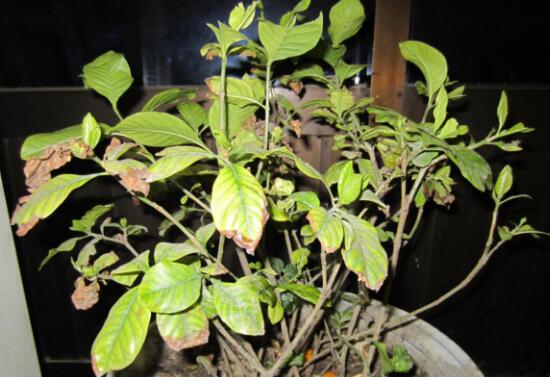
As a common indoor potted plant, schefflera is very easy to grow, but unfortunately there are many beginners and many lazy people who don't water, don't fertilize, and don't give it light, resulting in yellow leaves. Flower lovers must be very worried, but don't panic - as long as you take remedial measures, even if schefflera leaves turn yellow, it can still be saved.
II. Causes of Schefflera Leaves Turning Yellow and Remedies
1. Sudden Environmental Changes
There are actually many causes of schefflera leaves turning yellow, but the first thing everyone thinks of should be environmental issues. Nowadays, with the internet so developed, you can buy anything online, and schefflera potted plants are naturally no exception. When buying online, it may cause a significant environmental change, and the plant can't adapt for a while, resulting in yellow leaf symptoms.
Remedy: It's simple - ask the seller about the schefflera's previous growing environment, then adjust the environment at home until the schefflera fully adapts. After normal care for a period of time, the plant's leaves will recover.
2. Improper Lighting
Schefflera is an indoor potted plant that prefers semi-shade but dislikes strong light, so providing appropriate lighting is very necessary. However, many beginners find it hard to judge this, resulting in improper lighting situations:
① Insufficient light will affect the plant's growth, causing schefflera leaves to turn yellow and drop. Remedy: Give the schefflera appropriate sun exposure, and shade it when the light is strong;
② Excessive light - schefflera dislikes strong light. After being exposed to blazing sun in summer, its leaves will also turn yellow and even drop. Remedy: Move it to a shaded, ventilated place and water appropriately. After the plant recovers, move it to a semi-shaded spot for normal care.
3. Improper Watering
① Too much watering - the potting soil becomes too wet, roots have difficulty breathing, and over time the roots will rot, causing yellowing leaves. Remedy: Move the potted plant to a well-lit, ventilated area to let the moisture evaporate quickly. In severe cases, you'll need to change the potting soil.
② Too little watering - the potting soil becomes too dry, causing the plant to lack water. The leaves can't absorb water and will droop and turn yellow. Remedy: Increase the amount and frequency of watering, but don't water too much at once - just keep the soil moist. In summer heat, you can spray water on the leaves or around the plant.
4. Improper Fertilizing
② Over-fertilizing: Schefflera needs certain nutrients during growth, but too much fertilizer won't do - it can burn the roots, causing leaves to turn yellow. Remedy: Immediately remove the plant from the pot, wash the root system, and replant with fresh potting soil.
① Under-fertilizing: Too much fertilizer is bad, but not fertilizing schefflera for a long time is also bad. If nutrients are insufficient, leaves will also turn yellow and drop due to nutrient deficiency. Remedy: Fertilize the schefflera appropriately, noting that each time you should dilute with water.
5. Pests and Diseases
In daily care, due to various reasons, schefflera can be threatened by pests and diseases, such as leaf spot disease, which in severe cases causes leaves to turn yellow and drop. Regarding this, everyone should pay attention to preventive measures and spray relevant treatments. As for what to spray, it's covered in detail in the schefflera pest and disease control section, so I won't elaborate here.
Overall, schefflera is still quite easy to grow, but since many flower lovers are beginners, yellow leaves are unavoidable. However, after reading this whole article, I believe everyone has a clearer idea now. When yellow leaf problems appear, just follow the remedies above. That's all the editor has to share about schefflera leaves turning yellow - hope it helps everyone.
What to Do When Schefflera Drops Leaves: Control Watering / Fertilize Moderately / Don't Move the Pot
Schefflera gets its name because its leaves, when flipped over, resemble goose feet. It's a very beautiful foliage plant. In daily life, because of its beauty and ease of care, it has become one of the most popular indoor potted plants. But during cultivation, due to lack of management, many people's scheffleras experience leaf drop. So what do you do when schefflera drops leaves? Today, the editor will answer your questions.
I. When Schefflera Drops Leaves, Find the Cause
As a plant with extremely strong adaptability, schefflera's cultivation can be said to be very simple, but unfortunately there are many beginners who don't follow proper methods when growing flowers and just go by feel. This irresponsible approach, at best, causes schefflera leaves to turn yellow, and at worst, causes schefflera to drop leaves! As for what to do when schefflera drops leaves, the first thing is naturally to find the cause, then address it specifically.
II. Five Causes of Schefflera Dropping Leaves
1. Moving the Pot
There are actually many causes of schefflera dropping leaves, but the first thing to consider should be: have you recently moved the pot? The reason is that when growing indoors, it's not suitable to frequently move the pot, especially during the schefflera's blooming period. Frequent moving will accelerate flower fading and cause leaves to drop.
Solution: It's simple - place the schefflera in a ventilated spot with indirect light, then don't change its position. After a period of care, the plant will recover its health.
2. Unsuitable Lighting
Schefflera prefers semi-shade and needs light, but the light can't be too strong. Beginners find it hard to gauge this, resulting in unsuitable lighting that causes schefflera to drop leaves. There are also two situations:
① Insufficient light reduces photosynthesis, which affects the plant's growth, causing schefflera leaves to turn yellow and drop. Solution: In spring and autumn, you can move the schefflera outdoors with appropriate shading; in summer, keep it indoors with indirect light; in winter, move it outdoors for full sun.
② Excessive light - in summer, under strong light, schefflera leaves will first turn yellow, then gradually drop; if you suddenly move it from a place with no sunlight to direct sunlight, leaf drop will be even more severe. Solution: Move the potted plant to a shaded, ventilated area. After a period of care and recovery, move it to a spot with indirect light.
3. Improper Watering
① Too little watering - the potting soil becomes too dry, leaves can't absorb water, and at best the leaves turn yellow, at worst they droop and drop. Solution: Water appropriately. In spring, summer, and autumn, water about once every 3-4 days. In winter, reduce watering to once every 5-7 days. Overall, just keep the potting soil moist.
② Too much watering - the potting soil becomes too wet, root breathing is impeded, and over time roots easily rot, resulting in schefflera dropping leaves. Solution: Move the potted plant to a well-lit, ventilated area to let moisture evaporate quickly; in severe cases, cut off the rotten roots, replace with fresh potting soil, and replant.
4. Improper Fertilizing
① Insufficient fertilizing - not fertilizing for a long time, especially during the growing season. If fertilizer is insufficient, it will cause schefflera to drop leaves. Solution: Fertilize appropriately. From April to September, apply diluted liquid fertilizer once a month to ensure the potting soil has sufficient nutrients. Don't over-apply any single element.
② Over-fertilizing burns the roots, causing root rot, which also results in leaf drop. Solution: Remove the schefflera from the pot, wash the roots with clean water, rinse several times, then soak the roots in clean water. After the leaves recover, replant with fresh soil.
5. Pests and Diseases
When grown indoors, due to poor environment or neglectful management, schefflera can be attacked by pests and diseases, causing leaves to drop.
Solution: If pests and diseases are causing the schefflera to drop leaves, calmly identify which specific pest or disease it is, then spray to control it. As for what to spray, it's covered in detail in the schefflera pest and disease control section, so I won't elaborate here.
The causes of schefflera dropping leaves are, overall, the 5 points above. After reading the content above, when you encounter leaf drop again, you should know what to do! Actually, leaf drop is caused by one reason, but is often the result of multiple factors combined, so when you encounter this situation, you must make a correct diagnosis to treat the root cause.
What to Do When Schefflera Drops Leaves: Solutions for Yellowing Leaves and Leaf Drop
Schefflera, also known as (duck-foot wood), can absorb nicotine and harmful gases from smoke-filled air through its leaves. If its leaves turn yellow or even drop, it loses its value. So what do you do when schefflera drops leaves? Below, the editor teaches everyone the solutions for duck-foot wood leaf drop and yellowing leaves.
What to Do When Schefflera Drops Leaves: Causes of Yellowing Leaves and Leaf Drop
1. Improper Watering
For duck-foot wood to grow normally, getting the water right is very important. Too little watering makes the potting soil too dry, causing duck-foot wood leaves to droop and drop. Too much watering makes the potting soil too wet, impeding root breathing and easily causing root rot, leading to yellowing and dropping leaves.
2. Unsuitable Lighting
Duck-foot wood is a shade-loving flower that can be kept in a bright spot for normal care. If placed in a darker spot, it will affect the duck-foot wood's growth, causing leaves to turn yellow and drop. But excessive light is also one of the causes of leaf drop. Duck-foot wood is not suited to growing under strong light, and even changing the environment needs to be done gradually. If you suddenly move it from a place with no sunlight to direct sunlight, leaf drop will be even more severe.
3. Improper Fertilizing
Duck-foot wood has a certain demand for fertilizer, especially during the growing season. Insufficient fertilizer will cause leaves to turn yellow and drop. If you accidentally apply raw or concentrated fertilizer, causing root burn, leaf drop will also occur.
4. Pest and Disease Infestation
Duck-foot wood is often attacked by diseases, such as leaf spot disease. When it strikes, brown spots appear on the leaves, and in severe cases, yellowing and leaf drop occur.
What to Do When Schefflera Drops Leaves: Solutions for Yellowing Leaves and Leaf Drop
1. Apply Sufficient and Good Fertilizer
Duck-foot wood needs sufficient nutrients during its growing period. In summer, fertilize once a week - you can use granular fertilizers containing nitrogen, phosphorus, and potassium, applied after loosening the soil. From April to September, apply diluted liquid fertilizer once a month to ensure the potting soil has sufficient nutrients. Don't over-apply any single element.
If too much fertilizer is applied, remove the duck-foot wood from the pot, wash the roots with clean water, rinse several times, then soak the roots in clean water. After the leaves recover, replant with fresh soil.
2. Water Correctly
When watering, be careful not to water too much - just keep the potting soil moist. In spring, summer, and autumn, water about once every 3-4 days. In winter, reduce watering. When the air is dry, sprinkle some water on the leaves regularly to increase humidity.
3. Ensure Moderate Sunlight
Duck-foot wood prefers shade - just place it in a bright spot for normal growth. Except in winter, you can place the plant outdoors or by a window for care, avoiding direct strong light and ensuring sufficient indirect light. In winter, move it indoors to a spot that gets sunlight and appropriately increase the temperature.
4. Prevent Pests and Diseases
Care for it carefully in normal times, ventilate promptly, and remove diseased and yellow leaves as soon as you find them. You can keep fungicide on hand at home - dilute it and spray once a month to effectively prevent pest and disease problems.