-
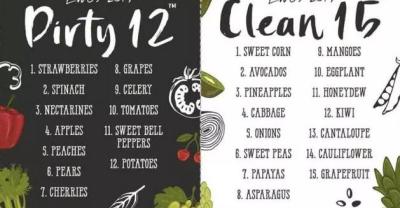
Not washing tea does not equal drinking pesticide; experts explain the real function of washing tea
When it comes to "washing tea," understood literally, it means using water to rinse the tea leaves. Most people who enjoy drinking tea are in the habit of pouring water over the tea leaves, letting them steep for a while, and then...
-

Does poor pesticide effectiveness necessarily mean the pesticide is fake?
With the development of the times and the progress of science and technology, agriculture has also improved greatly. Whether it is agricultural machinery or chemical fertilizers and pesticides, all are constantly...
-

What diseases does carbendazim mainly control? A detailed explanation of its control range
What diseases does carbendazim mainly control?
-

What does Bordeaux mixture do? A detailed guide to usage precautions
The effects of Bordeaux mixture and usage precautions
-
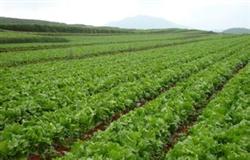
What does systemic insecticide mean? Read this article to understand
Plant hormones, also called plant growth regulators, are neither pesticides nor fertilizers. Their main function is to coordinate the vegetative growth and reproductive growth of plants. For vegetables, this means regulating them reasonably according to people's requirements for vegetable yield, maturity period and quality, producing high-yield, high-quality vegetables and improving their...
-
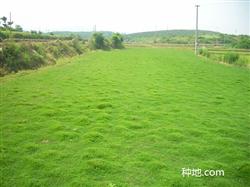
Why does spraying herbicides cause phytotoxicity?
Which types of herbicides should not be used on lawns? Seeking advice: try not to use the following lawn herbicides: 1. Herbicides with a long residual life, including imidazolinone herbicides such as imazethapyr, sulfonylurea herbicides such as metsulfuron-methyl, tribenuron-methyl, tribenuron-methyl, etc., and heterocyclic herbicides such as clomazone, etc. These types of herbicides have a relatively long residual life in the soil, and once used...
-
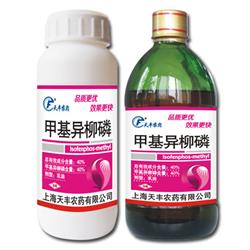
Which pests does isofenphos-methyl mainly control?
Which pests can isofenphos-methyl control? How should it be used? Please give guidance. Isofenphos-methyl is an organophosphorus insecticide. The technical product is a brownish-yellow oily liquid. It has strong contact and stomach poison action against pests, with a relatively long residual effect. It is highly toxic to humans and livestock. The formulations are 40% emulsifiable concentrate and 3% granules. Use...
-
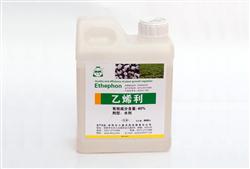
On which crops does ethephon work well?
Which crops does ethephon work on? Please explain. Ethephon is an organophosphorus broad-spectrum low-toxicity plant growth regulator that promotes ripening. It can enter the plant through leaves, bark, fruit and seeds, then be transported to the site of action, where it releases ethylene. It can promote fruit ripening and coloring, promote leaf and fruit...
-
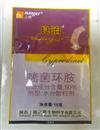
Which diseases does cyprodinil mainly control?
What is the mode of action of cyprodinil? What diseases is cyprodinil effective against? We also ask knowledgeable readers to help explain. The white fine powder fungicide cyprodinil is often seen in the agricultural input market. Zhongdiwang has compiled information on cyprodinil, listed below for readers' reference. The fungicidal mode of action of cyprodinil: ...
-
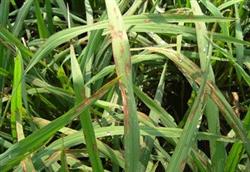
What diseases does chlorothalonil control? A full breakdown of its scope of application
What diseases does chlorothalonil control? How should chlorothalonil be used for the best effect? Experienced gardeners, please share your advice. Chlorothalonil is a non-systemic broad-spectrum fungicide and a low-toxicity fungicide that is now widely used. It works best when sprayed before disease occurs or when disease has just begun, for the best effect...
条件筛选