Not washing tea does not equal drinking pesticide; experts explain the real function of washing tea
When it comes to "washing tea," understood literally, it means using water to rinse the tea leaves. Most people who enjoy drinking tea are in the habit of pouring water over the tea leaves, letting them steep for a while, and then pouring away the first infusion, calling this "washing tea."
Many tea lovers may have been reminded by their elders from the very first time they drank tea: tea must be washed before it can be drunk. The reason washing tea is considered so important comes down to three factors: pesticides, dirt, and the psychological dimension. It is widely believed that tea plants are sprayed with pesticides during growth, so not washing equals "drinking poison"; even without pesticides, exposure to wind, sun, and the external environment can produce bacteria or other contaminants; and beyond that, people simply feel uncomfortable and unclean drinking it unwashed. So is this actually true?
Where the misconception lies
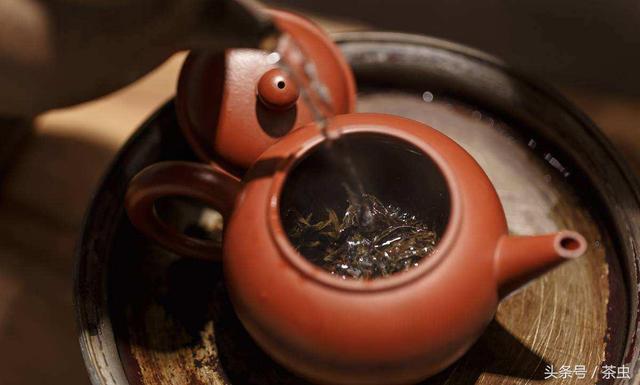
The "Chinese Tea Dictionary" explains the entry "washing tea" as: "Washing tea means washing away the surface impurities of loose tea." Tea Tong believes that "washing away the surface impurities of loose tea" cannot serve as the basis for the existence of a "washing tea" step. When Tea Tong discussed the issue of "washing tea" with several tea drinkers, almost everyone agreed that washing tea (here meaning washing the tea leaves clean) is necessary. The reasons: first, tea leaves are contaminated during growth, processing, storage, transport, and sales; second, there are pesticide and heavy metal residues, so they must be washed, and only after washing can one drink with peace of mind. Tea grows in mountains and fields, and especially under today's relatively serious environmental pollution, some contamination from dust, pesticides, heavy metals, and the like is unavoidable.
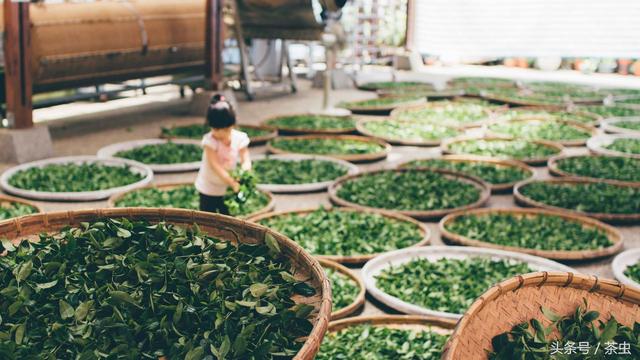
So, is tea actually dirty, and does it need washing? So-called dirtiness is simply the fear of dust, microorganisms, and pesticide residues. There is a certain concentration of dust particles in the air, and eating, talking, or even breathing causes a certain amount of dust to enter our bodies. Compared with that, the dust on tea leaves is utterly negligible. The vast majority of microorganisms need water to survive, and the reason tea has a long shelf life is precisely that its moisture content has been reduced to a minimum, making it extremely unfavorable for microorganisms to grow.
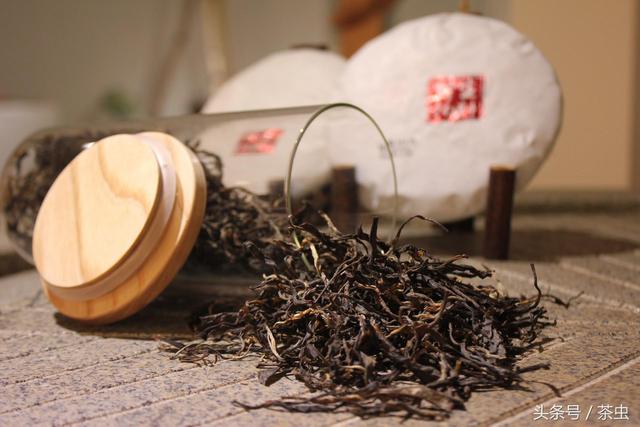
As for pesticide residues, leaving aside the fact that tea from legitimate manufacturers has residues controlled within national standards and is not worth worrying about, even when there is some "exceeding of standards," it is in fact an exaggerated panic - daily tea consumption is only a few grams, and unlike vegetables and fruits it is not eaten directly, so the pesticide residue one can actually ingest from tea is extremely limited.
Consider it the other way around: if tea really did contain pesticide residues worth worrying about, what "washing tea" could remove would also be very limited. For pesticides to have an effect, they need to adhere well to the tea leaves, and to effectively remove them through a single rinse while basically preserving the tea's components is essentially just wishful thinking.
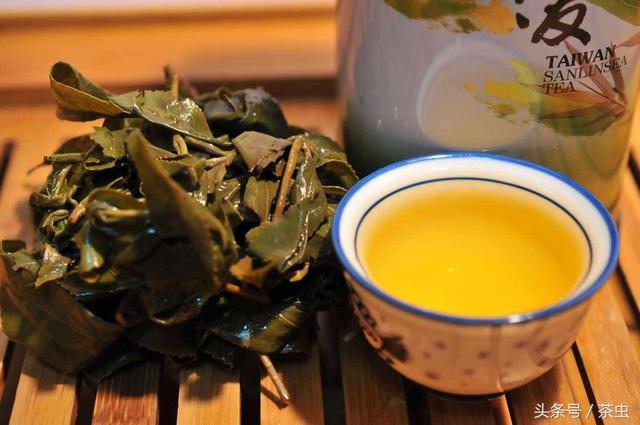
Moreover, experts have compared the quality of the tea infusion before and after washing several teas and found that the infusion filtered out by washing tea already has quite obvious aroma and flavor; further, by measuring the components contained in the "washing tea infusion," they even found that this infusion contains a considerable amount of various intrinsic tea components. From this it can be seen how much nutritional essence is washed away by the common practice in daily life of "washing tea" for as long as 5-10 seconds or even longer! (Not every tea is like this.) It can truly be said that what should be washed away is not washed away, while nutrients that should not be washed away are lost - the loss outweighs the gain!
The real function of washing tea
According to textual research, the term "washing tea" began in the Northern Song Dynasty and has been used in tea brewing procedures ever since, with a history of nearly 700 years to date. The "Chinese Tea Dictionary" explains "washing tea" as: "Washing tea means washing away the surface impurities of loose tea, and it can also bring out the tea's aroma and flavor."
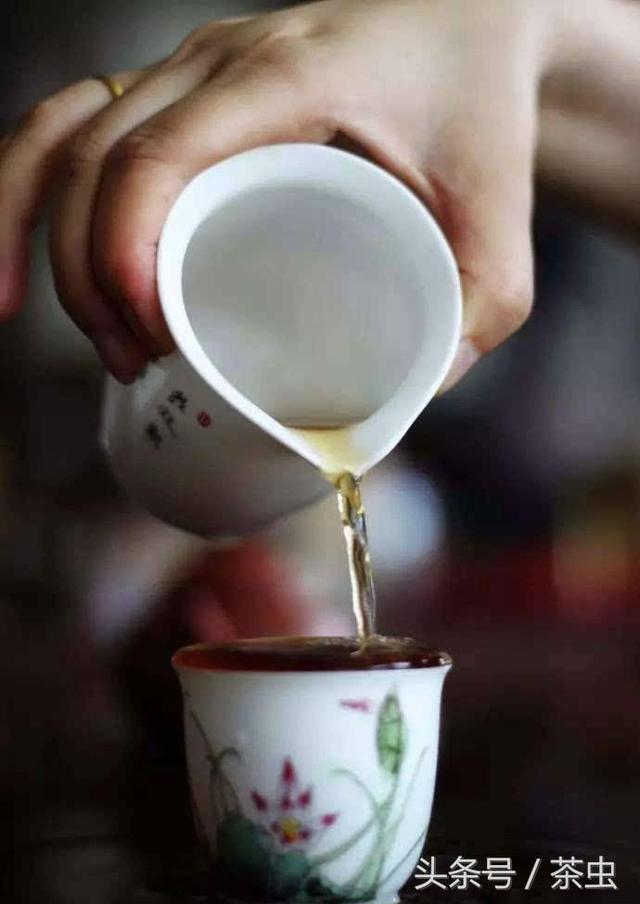
What needs washing? Dirty things. If tea needs washing, it must be a dirty thing - so how could a dirty thing be drunk? This shows how inappropriate the term "washing tea" is when used in the tea ceremony process.
Furthermore, the Ming Dynasty "Tea Manual: Four Essentials of Brewing Tea" records: "First, choosing water... Second, washing tea: whenever brewing tea, first wash the tea leaves with hot water to remove their dirt and cold qi, and then it will brew beautifully. Third, waiting for the water... Fourth, choosing the vessels...."
Therefore we can conclude that washing tea is necessary, but what is washed away is not the pesticide residues we speak of or the bacteria and dirt caused by processing and storage. Perhaps it would be more appropriate to call washing tea "awakening the tea."
The real functions of washing tea are: first, to wash away the cold qi (also called stale qi) left in the tea from processing and storage; second, the tea first absorbs heat and moisture, forming a budding state with unfurled leaves, which facilitates the dissolution of flavor substances and allows the tea's aroma compounds to be released better.