-

Key Technical Points for Diversified Multi-Cropping Three-Dimensional Cultivation of Cotton in the Huaibei Region
Diversified multi-cropping three-dimensional cultivation is a high-yield, high-efficiency agricultural production form and supporting comprehensive technical system that conforms to biological population structure. Developing diversified multi-cropping three-dimensional cultivation can achieve good economic, social and ecological benefits. I. Mechanisms for developing diversified multi-cropping three-dimensional cultivation of cotton in the Huaibei Region. 1. Adapt to local conditions and emphasize efficiency. Three-dimensional cotton cultivation involves multiple crops, multiple factors and multiple disciplines, and is highly time-sensitive, regional, comprehensive and scientific. Therefore, appropriate timing and varieties should be selected for cultivation in combination with the land, climate and other conditions of the Huaibei Region.
-
Key Technical Points for Three-Dimensional Cultivation of Flower Shiitake in Small Sheds with Large Bags
Flower shiitake has excellent quality and is formed when shiitake mushroom spawn grown on bagged substrate develops under special environmental conditions. It has higher nutritional and commercial value than shiitake, so it is called flower shiitake. Flower shiitake is a rare delicacy in the edible fungi series. High in protein and low in fat, it contains more than a dozen amino acids and various nutrients needed by the human body, has good mouthfeel, a delicious taste, and no pollution; it can also prevent and treat many diseases and has strong disease-resistance effects, so it is called a new anticancer recruit. On the international market, demand exceeds supply. Flower shiitake can be sold fresh or dried for storage, and it is very favorable for both export and domestic sales
-
Key Techniques for Large-Bag Bed-Free Three-Dimensional Cultivation of Pholiota microspora (Nameko Mushroom)
Harvesting: When the mushrooms reach 70-80% maturity, that is, when the veil membrane of the cap has not yet stretched, they can be harvested. When harvesting, hold the substrate surface with one hand and gently twist off the mushroom cluster with the other, so as to avoid pulling up large chunks of substrate. After each flush is harvested, tidy the substrate surface and withhold water for 5-7 days before managing the next flush. Advantages of this cultivation model: it saves the wooden poles needed to build racks. No need to thread curtains or build racks, saving resources and reducing labor intensity; high-altitude work is changed to low-altitude work, making it easier to operate. Moisture in the substrate is easy to maintain, and during fruiting
-
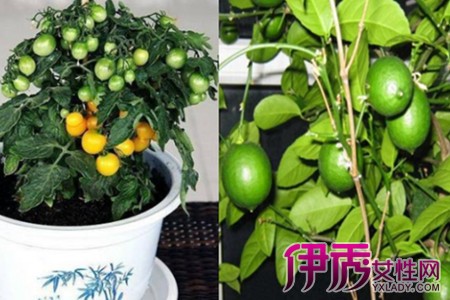
Potted lemon growing methods shared, so home-grown lemons also bear multidimensional fruit
Potted lemons have been very popular in recent years, and many people hope to plant this multidimensional plant in a flower pot and take it home. But many friends who have taken potted lemons home have found that their lemons only bloom but do not bear fruit, and these friends really want to know the reason
-
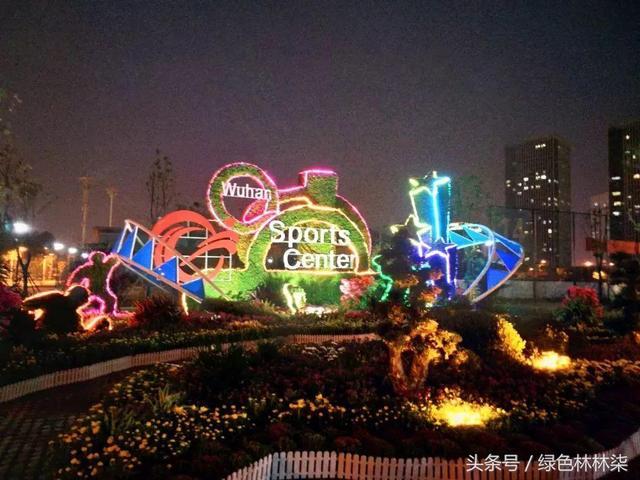
Wuhan Hannan District Golden Autumn Chrysanthemum Exhibition Opens Free to the Public, Three-Dimensional Floral Sculptures Beautify the Urban Area
The Wuhan Golden Autumn Chrysanthemum Exhibition has gone through 35 autumns and is a traditional street and park floral art performance and display event in Wuhan. Appreciating chrysanthemums in golden autumn is no longer just flower viewing, but a street-level cultural...
-
Key Techniques for Three-Dimensional Intercropping of Greenhouse Green Peppers, Loofah, and Cilantro
Summer spinach, also known as fu spinach, is difficult to cultivate and can only be grown on a small scale because it tends to bolt prematurely, and it also has the shortest leaf growth period of any crop in the year, resulting in unsatisfactory quality and yield, with pests and diseases hard to control. 1. Variety selection: It is advisable to choose varieties with strong drought resistance, heat tolerance, rapid growth, and low sensitivity to day length...
-

Photosynthesis Future Greening Case Study: Healing Nature-Deficit Disorder with Greenery Between Dimensions
The deeper you connect with plants, the more you believe that plants are medicine - the medicine that urban dwellers and modern people all need. Those who follow Photosynthesis Future may have noticed that our official WeChat account has recently updated many new projects, green plant walls...
-
Three-dimensional cultivation techniques for summer maize, autumn kidney beans and over-summer garlic sprouts
Autumn kidney beans are a warm-loving vegetable that is not tolerant of high temperatures or frost; they are generally sown in early autumn and finish growing before frost. Their main supply season is in August and September, and the returns are quite considerable. The key points of the cultivation technique are as follows: 1. Variety selection. For autumn kidney beans, choose varieties that are heat-tolerant, disease-resistant, highly adaptable and have a high pod-setting rate, such as Lulong...
-
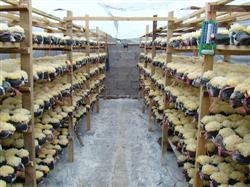
A Detailed Guide to Practical Multi-Tier Three-Dimensional Cultivation Techniques for White Wood Ear (Tremella fuciformis)
White wood ear, also known as white fungus, snow ear, or Sichuan ear, is a "prized fungus" used both as food and medicine, with broad market prospects. Artificial cultivation techniques for white wood ear are constantly being improved. Here we introduce the practical techniques for indoor multi-tier three-dimensional cultivation of white wood ear in Gutian County, Fujian Province, the "home of white wood ear": 1. Mushroom house setup: The specifications of a professional cultivation house or shed...
-
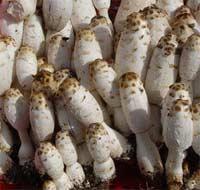
Hanging Bag Cultivation of Black Fungus (Wood Ear) and Stropharia rugosoannulata in a Multi-Layered Three-Dimensional Setup Doubles Returns
Distiller's grains are an excellent substrate for cultivating edible fungi. Their nutrient composition suits the growth of Stropharia rugosoannulata mycelium, and using them can both lower the production cost of Stropharia rugosoannulata and prevent environmental pollution. Distiller's grains contain a small amount of ethanol and active yeast that are harmful to mycelial growth, and they are highly acidic, with a pH of 3-5. Therefore, fresh distiller's grains should be selected...
条件筛选