Three-dimensional cultivation techniques for summer maize, autumn kidney beans and over-summer garlic sprouts
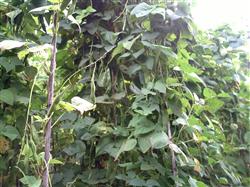
Autumn kidney beans are a warm-loving vegetable that is not tolerant of high temperatures or frost; they are generally sown in early autumn and finish growing before frost. Their main supply season is in August and September, and the returns are quite considerable. The key points of the cultivation technique are as follows: 1. Variety selection. For autumn kidney beans, choose varieties that are heat-tolerant, disease-resistant, highly adaptable and have a high pod-setting rate, such as Lulong...
 1. Selection of improved varieties
For summer maize, choose varieties with high yield, lodging resistance and flat leaves, such as Luyu No. 4, etc.; for autumn kidney beans, choose heat-tolerant varieties with good market quality, such as Fengshou No. 1 and Qiukang No. 6, etc.; for garlic, choose Jinxiang white-skin garlic, which has high yield, disease resistance and a short dormancy period.
2. Garlic bulb treatment
2-3 days before planting garlic, soak it in 1 mg/kg gibberellin for 12-24 hours to break dormancy and promote germination, then take it out and leave it for 1-2 days, use a small knife to hollow out the stem plate at the bottom of the garlic bulb, and keep the garlic bulb intact without separating the cloves, so as to facilitate sowing.
3. Sowing at the right time and rational close planting
Maize should be sown before June 15, using wide and narrow row planting. The wide row spacing is 100 cm, the narrow row spacing is 30 cm, and the plant spacing is 20-25 cm. Autumn kidney beans and summer maize are sown in the same hole, and after emergence, thin the seedlings early, leaving one strong seedling of each. In mid-to-late July, when the maize reaches the small trumpet stage, make small beds 50 cm wide between the rows and plant garlic bulbs in them; fill the gaps between the garlic bulbs with loose garlic cloves, then cover with 3-5 cm of fine sandy soil to help retain moisture.
4. Strengthen field management
1. Cultivation and weeding: cultivate 2-3 times before the small trumpet stage of maize to remove weeds.
2. Topdressing and watering: apply topdressing once each at the small trumpet stage and the large trumpet stage of maize, each time applying 15 kg of urea per 1/15 hectare (1 mu); during the growth period of garlic sprouts, irrigate the beds with a small amount of water every 2-4 days to lower the temperature, and apply ammonium bicarbonate with the water, 10-15 kg per 1/15 hectare; after harvesting garlic sprouts 2 times, promptly spray 15-20 mg/kg gibberellin solution to promote their regrowth; generally about 3 harvests can be made.
3. Preserving flowers and pods of kidney beans: high summer temperatures can affect pollination and cause flower and pod drop. Therefore, pay attention to watering to lower the temperature and harvest in good time. You can also spray 500 mg/kg alpha-naphthaleneacetic acid, which has a clear effect on preserving flowers and pods.