A Detailed Guide to Practical Multi-Tier Three-Dimensional Cultivation Techniques for White Wood Ear (Tremella fuciformis)
White wood ear, also known as white fungus, snow ear, or Sichuan ear, is a "prized fungus" used both as food and medicine, with broad market prospects. Artificial cultivation techniques for white wood ear are constantly being improved. Here we introduce the practical techniques for indoor multi-tier three-dimensional cultivation of white wood ear in Gutian County, Fujian Province, the "home of white wood ear": 1. Mushroom house setup: The specifications of a professional cultivation house or shed...
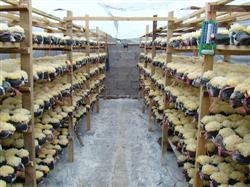
White wood ear, also known as white fungus, snow ear, or Sichuan ear, is a "prized fungus" used both as food and medicine, with broad market prospects. Artificial cultivation techniques for white wood ear are constantly being improved. Here we introduce the practical techniques for indoor multi-tier three-dimensional cultivation of white wood ear in Gutian County, Fujian Province, the "home of white wood ear":
1. Mushroom house setup: The specifications of a professional cultivation house or shed are preferably 9 m × 4 m × 4 m (length × width × height); a dwelling can also be used as a cultivation house. Inside, build 8-11 tiers of shelf beds, which can hold 3000 ear bags at one time. Each production cycle lasts 35-40 days, and 6 batches can be cultivated per year, forming a multi-tier three-dimensional cultivation system.
2. Cultivation season: White wood ear belongs to the mesophilic group of fungi. The optimum temperature for mycelial growth is 22-25°C, and the optimum temperature for fruiting body development is 23-25°C. The most suitable cultivation seasons are spring and autumn, when natural temperatures are optimal, but winter cultivation with heated houses and summer cultivation under field shade sheds can also be used, so that silver flowers bloom in all four seasons of spring, summer, autumn, and winter.
3. Substrate preparation: The raw materials for cultivating white wood ear are very wide-ranging. Cottonseed hulls are the most ideal, and mixed sawdust, corn (2339, -5.00, -0.21%) cobs, and sugarcane bagasse are also commonly used materials. Common substrate formulas are: ① 85% cottonseed hulls, 13% wheat bran, 1.5% gypsum powder, 0.5% sucrose; ② 80% cottonseed hulls, 15% wheat bran, 3% corn flour, 1% gypsum powder, 1% sucrose. When other raw materials are used for cultivation, the amount of wheat bran should be appropriately increased, and the proportion should be no less than 20%. After all materials are mixed evenly, the moisture content should reach 60%, and the pH value should be 5.2-5.8.
4. Bag filling and sterilization: Low-pressure polyethylene film bags are used as cultivation bags, with bag specifications of 12 cm-55 cm, and each bag is filled with 600 g of dry material. Make 3-4 inoculation holes on the front of the bag, and seal the hole openings with adhesive tape. After bag filling, sterilize at normal pressure, raise the temperature to lOO°C, and hold for 16-20 hours, then unload the bags, spread them out thinly, and cool.
5. Inoculation and sealing: White wood ear mycelium is a mixture of two types: feather-like Hypoxylon sp. mycelium and pure white wood ear mycelium. Inoculation requires strictly aseptic operation. During inoculation, open the adhesive tape at the hole opening, use an inoculation needle to take the white wood ear spawn and insert it into the hole, and immediately seal the hole opening with adhesive tape. Each bottle of spawn can inoculate 40-50 bags. Before inoculation, the white wood ear spawn should be repeatedly mixed evenly so that the two kinds of mycelium are thoroughly blended, thereby increasing the ear emergence rate.
6. Mycelial incubation: The incubation room should be clean, hygienic, and protected from light. After the fungus bags enter the room, they are stacked in overlapping rows for incubation. The indoor temperature should be controlled at 25-27°C for the first 3 days; if it exceeds 30°C, open windows promptly for ventilation and cooling, and if it is below 18°C, close doors and windows and heat the room. During the incubation stage, the relative humidity of the space should be controlled below 70%, and dampness must be strictly prevented.
7. Opening holes to induce primordia: After about 10 days of incubation, when the mycelial ring reaches a diameter of lO cm or more, the fungus bags can be moved into the fruiting body cultivation room, where holes are opened to increase oxygen, the bags are placed on shelves and spread out thinly, and the formation of white wood ear primordia is induced. Hole-opening method: lift one corner of the adhesive tape over the inoculation hole to form an air vent about the size of a soybean (4462, -8.00, -0.18%) grain, so that oxygen can penetrate into the substrate; after 2 days, tear off the adhesive tape. Alternatively, the adhesive tape over the hole opening can be torn off all at once. After opening the holes for ventilation, the primordial mass of the white mycelial cluster in the hole gradually gelatinizes, forming crystal-like, broken-rice-shaped ear buds. At this time, cover the bag surface with newspaper, spray water to retain moisture, adjust the relative humidity of the space to 80%, and control the temperature at 18-25°C.
8. Expanding holes for ear emergence: 12-13 days after inoculation, when the ear buds at the hole opening unfold into young ears, expand the holes to allow ear emergence. Method: use a blade to cut away 1 cm of the film at the edge of the hole opening, so that oxygen can penetrate into the bag better and accelerate mycelial metabolism and physiological maturation. After hole expansion, spray water 2-3 times daily on the space and on the newspaper covering the bag surface, maintaining a relative humidity of 90%-95% and a temperature of 23-25°C.
9. Stopping moisture for shaping: 30 days after inoculation, when the fruiting body has grown to a diameter of about 12 cm and entered the maturation period, stop spraying water for 8-10 days, lower the space humidity to 85%, and pay attention to ventilation and air exchange so that the ear pieces extend neatly and the fruit body shape is round and regular.
10. Harvesting and processing: When the ear pieces are fully extended and elastic, cut them off evenly from the ear base with a sharp knife, soak and wash them in clean water, then place them in a dehydrator to dry, and they are ready for market as a commodity. . Mushroom house setup: The specifications of a professional cultivation house or shed are preferably 9 m × 4 m × 4 m (length × width × height); a dwelling can also be used as a cultivation house. Inside, build 8-11 tiers of shelf beds, which can hold 3000 ear bags at one time. Each production cycle lasts 35-40 days, and 6 batches can be cultivated per year, forming a multi-tier three-dimensional cultivation system.
2. Cultivation season: White wood ear belongs to the mesophilic group of fungi. The optimum temperature for mycelial growth is 22-25°C, and the optimum temperature for fruiting body development is 23-25°C. The most suitable cultivation seasons are spring and autumn, when natural temperatures are optimal, but winter cultivation with heated houses and summer cultivation under field shade sheds can also be used, so that silver flowers bloom in all four seasons of spring, summer, autumn, and winter.
3. Substrate preparation: The raw materials for cultivating white wood ear are very wide-ranging. Cottonseed hulls are the most ideal, and mixed sawdust, corn cobs, and sugarcane bagasse are also commonly used materials. Common substrate formulas are: ① 85% cottonseed hulls, 13% wheat bran, 1.5% gypsum powder, 0.5% sucrose; ② 80% cottonseed hulls, 15% wheat bran, 3% corn flour, 1% gypsum powder, 1% sucrose. When other raw materials are used for cultivation, the amount of wheat bran should be appropriately increased, and the proportion should be no less than 20%. After all materials are mixed evenly, the moisture content should reach 60%, and the pH value should be 5.2-5.8.
4. Bag filling and sterilization: Low-pressure polyethylene film bags are used as cultivation bags, with bag specifications of 12 cm-55 cm, and each bag is filled with 600 g of dry material. Make 3-4 inoculation holes on the front of the bag, and seal the hole openings with adhesive tape. After bag filling, sterilize at normal pressure, raise the temperature to lOO°C, and hold for 16-20 hours, then unload the bags, spread them out thinly, and cool.
5. Inoculation and sealing: White wood ear mycelium is a mixture of two types: feather-like Hypoxylon sp. mycelium and pure white wood ear mycelium. Inoculation requires strictly aseptic operation. During inoculation, open the adhesive tape at the hole opening, use an inoculation needle to take the white wood ear spawn and insert it into the hole, and immediately seal the hole opening with adhesive tape. Each bottle of spawn can inoculate 40-50 bags. Before inoculation, the white wood ear spawn should be repeatedly mixed evenly so that the two kinds of mycelium are thoroughly blended, thereby increasing the ear emergence rate.
6. Mycelial incubation: The incubation room should be clean, hygienic, and protected from light. After the fungus bags enter the room, they are stacked in overlapping rows for incubation. The indoor temperature should be controlled at 25-27°C for the first 3 days; if it exceeds 30°C, open windows promptly for ventilation and cooling, and if it is below 18°C, close doors and windows and heat the room. During the incubation stage, the relative humidity of the space should be controlled below 70%, and dampness must be strictly prevented.
7. Opening holes to induce primordia: After about 10 days of incubation, when the mycelial ring reaches a diameter of lO cm or more, the fungus bags can be moved into the fruiting body cultivation room, where holes are opened to increase oxygen, the bags are placed on shelves and spread out thinly, and the formation of white wood ear primordia is induced. Hole-opening method: lift one corner of the adhesive tape over the inoculation hole to form an air vent about the size of a soybean grain, so that oxygen can penetrate into the substrate; after 2 days, tear off the adhesive tape. Alternatively, the adhesive tape over the hole opening can be torn off all at once. After opening the holes for ventilation, the primordial mass of the white mycelial cluster in the hole gradually gelatinizes, forming crystal-like, broken-rice-shaped ear buds. At this time, cover the bag surface with newspaper, spray water to retain moisture, adjust the relative humidity of the space to 80%, and control the temperature at 18-25°C.
8. Expanding holes for ear emergence: 12-13 days after inoculation, when the ear buds at the hole opening unfold into young ears, expand the holes to allow ear emergence. Method: use a blade to cut away 1 cm of the film at the edge of the hole opening, so that oxygen can penetrate into the bag better and accelerate mycelial metabolism and physiological maturation. After hole expansion, spray water 2-3 times daily on the space and on the newspaper covering the bag surface, maintaining a relative humidity of 90%-95% and a temperature of 23-25°C.
9. Stopping moisture for shaping: 30 days after inoculation, when the fruiting body has grown to a diameter of about 12 cm and entered the maturation period, stop spraying water for 8-10 days, lower the space humidity to 85%, and pay attention to ventilation and air exchange so that the ear pieces extend neatly and the fruit body shape is round and regular.
10. Harvesting and processing: When the ear pieces are fully extended and elastic, cut them off evenly from the ear base with a sharp knife, soak and wash them in clean water, then place them in a dehydrator to dry, and they are ready for market as a commodity. . Cultivation season: White wood ear belongs to the mesophilic group of fungi. The optimum temperature for mycelial growth is 22-25°C, and the optimum temperature for fruiting body development is 23-25°C. The most suitable cultivation seasons are spring and autumn, when natural temperatures are optimal, but winter cultivation with heated houses and summer cultivation under field shade sheds can also be used, so that silver flowers bloom in all four seasons of spring, summer, autumn, and winter.
3. Substrate preparation: The raw materials for cultivating white wood ear are very wide-ranging. Cottonseed hulls are the most ideal, and mixed sawdust, corn cobs, and sugarcane bagasse are also commonly used materials. Common substrate formulas are: ① 85% cottonseed hulls, 13% wheat bran, 1.5% gypsum powder, 0.5% sucrose; ② 80% cottonseed hulls, 15% wheat bran, 3% corn flour, 1% gypsum powder, 1% sucrose. When other raw materials are used for cultivation, the amount of wheat bran should be appropriately increased, and the proportion should be no less than 20%. After all materials are mixed evenly, the moisture content should reach 60%, and the pH value should be 5.2-5.8.
4. Bag filling and sterilization: Low-pressure polyethylene film bags are used as cultivation bags, with bag specifications of 12 cm-55 cm, and each bag is filled with 600 g of dry material. Make 3-4 inoculation holes on the front of the bag, and seal the hole openings with adhesive tape. After bag filling, sterilize at normal pressure, raise the temperature to lOO°C, and hold for 16-20 hours, then unload the bags, spread them out thinly, and cool.
5. Inoculation and sealing: White wood ear mycelium is a mixture of two types: feather-like Hypoxylon sp. mycelium and pure white wood ear mycelium. Inoculation requires strictly aseptic operation. During inoculation, open the adhesive tape at the hole opening, use an inoculation needle to take the white wood ear spawn and insert it into the hole, and immediately seal the hole opening with adhesive tape. Each bottle of spawn can inoculate 40-50 bags. Before inoculation, the white wood ear spawn should be repeatedly mixed evenly so that the two kinds of mycelium are thoroughly blended, thereby increasing the ear emergence rate.
6. Mycelial incubation: The incubation room should be clean, hygienic, and protected from light. After the fungus bags enter the room, they are stacked in overlapping rows for incubation. The indoor temperature should be controlled at 25-27°C for the first 3 days; if it exceeds 30°C, open windows promptly for ventilation and cooling, and if it is below 18°C, close doors and windows and heat the room. During the incubation stage, the relative humidity of the space should be controlled below 70%, and dampness must be strictly prevented.
7. Opening holes to induce primordia: After about 10 days of incubation, when the mycelial ring reaches a diameter of lO cm or more, the fungus bags can be moved into the fruiting body cultivation room, where holes are opened to increase oxygen, the bags are placed on shelves and spread out thinly, and the formation of white wood ear primordia is induced. Hole-opening method: lift one corner of the adhesive tape over the inoculation hole to form an air vent about the size of a soybean grain, so that oxygen can penetrate into the substrate; after 2 days, tear off the adhesive tape. Alternatively, the adhesive tape over the hole opening can be torn off all at once. After opening the holes for ventilation, the primordial mass of the white mycelial cluster in the hole gradually gelatinizes, forming crystal-like, broken-rice-shaped ear buds. At this time, cover the bag surface with newspaper, spray water to retain moisture, adjust the relative humidity of the space to 80%, and control the temperature at 18-25°C.
8. Expanding holes for ear emergence: 12-13 days after inoculation, when the ear buds at the hole opening unfold into young ears, expand the holes to allow ear emergence. Method: use a blade to cut away 1 cm of the film at the edge of the hole opening, so that oxygen can penetrate into the bag better and accelerate mycelial metabolism and physiological maturation. After hole expansion, spray water 2-3 times daily on the space and on the newspaper covering the bag surface, maintaining a relative humidity of 90%-95% and a temperature of 23-25°C.
9. Stopping moisture for shaping: 30 days after inoculation, when the fruiting body has grown to a diameter of about 12 cm and entered the maturation period, stop spraying water for 8-10 days, lower the space humidity to 85%, and pay attention to ventilation and air exchange so that the ear pieces extend neatly and the fruit body shape is round and regular.
10. Harvesting and processing: When the ear pieces are fully extended and elastic, cut them off evenly from the ear base with a sharp knife, soak and wash them in clean water, then place them in a dehydrator to dry, and they are ready for market as a commodity. 3. Substrate preparation: The raw materials for cultivating white wood ear are very wide-ranging. Cottonseed hulls are the most ideal, and mixed sawdust, corn cobs, and sugarcane bagasse are also commonly used materials. Common substrate formulas are: ① 85% cottonseed hulls, 13% wheat bran, 1.5% gypsum powder, 0.5% sucrose; ② 80% cottonseed hulls, 15% wheat bran, 3% corn flour, 1% gypsum powder, 1% sucrose. When other raw materials are used for cultivation, the amount of wheat bran should be appropriately increased, and the proportion should be no less than 20%. After all materials are mixed evenly, the moisture content should reach 60%, and the pH value should be 5.2-5.8.
4. Bag filling and sterilization: Low-pressure polyethylene film bags are used as cultivation bags, with bag specifications of 12 cm-55 cm, and each bag is filled with 600 g of dry material. Make 3-4 inoculation holes on the front of the bag, and seal the hole openings with adhesive tape. After bag filling, sterilize at normal pressure, raise the temperature to lOO°C, and hold for 16-20 hours, then unload the bags, spread them out thinly, and cool.
5. Inoculation and sealing: White wood ear mycelium is a mixture of two types: feather-like Hypoxylon sp. mycelium and pure white wood ear mycelium. Inoculation requires strictly aseptic operation. During inoculation, open the adhesive tape at the hole opening, use an inoculation needle to take the white wood ear spawn and insert it into the hole, and immediately seal the hole opening with adhesive tape. Each bottle of spawn can inoculate 40-50 bags. Before inoculation, the white wood ear spawn should be repeatedly mixed evenly so that the two kinds of mycelium are thoroughly blended, thereby increasing the ear emergence rate.
6. Mycelial incubation: The incubation room should be clean, hygienic, and protected from light. After the fungus bags enter the room, they are stacked in overlapping rows for incubation. The indoor temperature should be controlled at 25-27°C for the first 3 days; if it exceeds 30°C, open windows promptly for ventilation and cooling, and if it is below 18°C, close doors and windows and heat the room. During the incubation stage, the relative humidity of the space should be controlled below 70%, and dampness must be strictly prevented.
7. Opening holes to induce primordia: After about 10 days of incubation, when the mycelial ring reaches a diameter of lO cm or more, the fungus bags can be moved into the fruiting body cultivation room, where holes are opened to increase oxygen, the bags are placed on shelves and spread out thinly, and the formation of white wood ear primordia is induced. Hole-opening method: lift one corner of the adhesive tape over the inoculation hole to form an air vent about the size of a soybean grain, so that oxygen can penetrate into the substrate; after 2 days, tear off the adhesive tape. Alternatively, the adhesive tape over the hole opening can be torn off all at once. After opening the holes for ventilation, the primordial mass of the white mycelial cluster in the hole gradually gelatinizes, forming crystal-like, broken-rice-shaped ear buds. At this time, cover the bag surface with newspaper, spray water to retain moisture, adjust the relative humidity of the space to 80%, and control the temperature at 18-25°C.
8. Expanding holes for ear emergence: 12-13 days after inoculation, when the ear buds at the hole opening unfold into young ears, expand the holes to allow ear emergence. Method: use a blade to cut away 1 cm of the film at the edge of the hole opening, so that oxygen can penetrate into the bag better and accelerate mycelial metabolism and physiological maturation. After hole expansion, spray water 2-3 times daily on the space and on the newspaper covering the bag surface, maintaining a relative humidity of 90%-95% and a temperature of 23-25°C.
9. Stopping moisture for shaping: 30 days after inoculation, when the fruiting body has grown to a diameter of about 12 cm and entered the maturation period, stop spraying water for 8-10 days, lower the space humidity to 85%, and pay attention to ventilation and air exchange so that the ear pieces extend neatly and the fruit body shape is round and regular.
10. Harvesting and processing: When the ear pieces are fully extended and elastic, cut them off evenly from the ear base with a sharp knife, soak and wash them in clean water, then place them in a dehydrator to dry, and they are ready for market as a commodity. 4. Bag filling and sterilization: Low-pressure polyethylene film bags are used as cultivation bags, with bag specifications of 12 cm-55 cm, and each bag is filled with 600 g of dry material. Make 3-4 inoculation holes on the front of the bag, and seal the hole openings with adhesive tape. After bag filling, sterilize at normal pressure, raise the temperature to lOO°C, and hold for 16-20 hours, then unload the bags, spread them out thinly, and cool.
5. Inoculation and sealing: White wood ear mycelium is a mixture of two types: feather-like Hypoxylon sp. mycelium and pure white wood ear mycelium. Inoculation requires strictly aseptic operation. During inoculation, open the adhesive tape at the hole opening, use an inoculation needle to take the white wood ear spawn and insert it into the hole, and immediately seal the hole opening with adhesive tape. Each bottle of spawn can inoculate 40-50 bags. Before inoculation, the white wood ear spawn should be repeatedly mixed evenly so that the two kinds of mycelium are thoroughly blended, thereby increasing the ear emergence rate.
6. Mycelial incubation: The incubation room should be clean, hygienic, and protected from light. After the fungus bags enter the room, they are stacked in overlapping rows for incubation. The indoor temperature should be controlled at 25-27°C for the first 3 days; if it exceeds 30°C, open windows promptly for ventilation and cooling, and if it is below 18°C, close doors and windows and heat the room. During the incubation stage, the relative humidity of the space should be controlled below 70%, and dampness must be strictly prevented.
7. Opening holes to induce primordia: After about 10 days of incubation, when the mycelial ring reaches a diameter of lO cm or more, the fungus bags can be moved into the fruiting body cultivation room, where holes are opened to increase oxygen, the bags are placed on shelves and spread out thinly, and the formation of white wood ear primordia is induced. Hole-opening method: lift one corner of the adhesive tape over the inoculation hole to form an air vent about the size of a soybean grain, so that oxygen can penetrate into the substrate; after 2 days, tear off the adhesive tape. Alternatively, the adhesive tape over the hole opening can be torn off all at once. After opening the holes for ventilation, the primordial mass of the white mycelial cluster in the hole gradually gelatinizes, forming crystal-like, broken-rice-shaped ear buds. At this time, cover the bag surface with newspaper, spray water to retain moisture, adjust the relative humidity of the space to 80%, and control the temperature at 18-25°C.
8. Expanding holes for ear emergence: 12-13 days after inoculation, when the ear buds at the hole opening unfold into young ears, expand the holes to allow ear emergence. Method: use a blade to cut away 1 cm of the film at the edge of the hole opening, so that oxygen can penetrate into the bag better and accelerate mycelial metabolism and physiological maturation. After hole expansion, spray water 2-3 times daily on the space and on the newspaper covering the bag surface, maintaining a relative humidity of 90%-95% and a temperature of 23-25°C.
9. Stopping moisture for shaping: 30 days after inoculation, when the fruiting body has grown to a diameter of about 12 cm and entered the maturation period, stop spraying water for 8-10 days, lower the space humidity to 85%, and pay attention to ventilation and air exchange so that the ear pieces extend neatly and the fruit body shape is round and regular.
10. Harvesting and processing: When the ear pieces are fully extended and elastic, cut them off evenly from the ear base with a sharp knife, soak and wash them in clean water, then place them in a dehydrator to dry, and they are ready for market as a commodity. 5. Inoculation and sealing: White wood ear mycelium is a mixture of two types: feather-like Hypoxylon sp. mycelium and pure white wood ear mycelium. Inoculation requires strictly aseptic operation. During inoculation, open the adhesive tape at the hole opening, use an inoculation needle to take the white wood ear spawn and insert it into the hole, and immediately seal the hole opening with adhesive tape. Each bottle of spawn can inoculate 40-50 bags. Before inoculation, the white wood ear spawn should be repeatedly mixed evenly so that the two kinds of mycelium are thoroughly blended, thereby increasing the ear emergence rate.
6. Mycelial incubation: The incubation room should be clean, hygienic, and protected from light. After the fungus bags enter the room, they are stacked in overlapping rows for incubation. The indoor temperature should be controlled at 25-27°C for the first 3 days; if it exceeds 30°C, open windows promptly for ventilation and cooling, and if it is below 18°C, close doors and windows and heat the room. During the incubation stage, the relative humidity of the space should be controlled below 70%, and dampness must be strictly prevented.
7. Opening holes to induce primordia: After about 10 days of incubation, when the mycelial ring reaches a diameter of lO cm or more, the fungus bags can be moved into the fruiting body cultivation room, where holes are opened to increase oxygen, the bags are placed on shelves and spread out thinly, and the formation of white wood ear primordia is induced. Hole-opening method: lift one corner of the adhesive tape over the inoculation hole to form an air vent about the size of a soybean grain, so that oxygen can penetrate into the substrate; after 2 days, tear off the adhesive tape. Alternatively, the adhesive tape over the hole opening can be torn off all at once. After opening the holes for ventilation, the primordial mass of the white mycelial cluster in the hole gradually gelatinizes, forming crystal-like, broken-rice-shaped ear buds. At this time, cover the bag surface with newspaper, spray water to retain moisture, adjust the relative humidity of the space to 80%, and control the temperature at 18-25°C.
8. Expanding holes for ear emergence: 12-13 days after inoculation, when the ear buds at the hole opening unfold into young ears, expand the holes to allow ear emergence. Method: use a blade to cut away 1 cm of the film at the edge of the hole opening, so that oxygen can penetrate into the bag better and accelerate mycelial metabolism and physiological maturation. After hole expansion, spray water 2-3 times daily on the space and on the newspaper covering the bag surface, maintaining a relative humidity of 90%-95% and a temperature of 23-25°C.
9. Stopping moisture for shaping: 30 days after inoculation, when the fruiting body has grown to a diameter of about 12 cm and entered the maturation period, stop spraying water for 8-10 days, lower the space humidity to 85%, and pay attention to ventilation and air exchange so that the ear pieces extend neatly and the fruit body shape is round and regular.
10. Harvesting and processing: When the ear pieces are fully extended and elastic, cut them off evenly from the ear base with a sharp knife, soak and wash them in clean water, then place them in a dehydrator to dry, and they are ready for market as a commodity. 6. Mycelial incubation: The incubation room should be clean, hygienic, and protected from light. After the fungus bags enter the room, they are stacked in overlapping rows for incubation. The indoor temperature should be controlled at 25-27°C for the first 3 days; if it exceeds 30°C, open windows promptly for ventilation and cooling, and if it is below 18°C, close doors and windows and heat the room. During the incubation stage, the relative humidity of the space should be controlled below 70%, and dampness must be strictly prevented.
7. Opening holes to induce primordia: After about 10 days of incubation, when the mycelial ring reaches a diameter of lO cm or more, the fungus bags can be moved into the fruiting body cultivation room, where holes are opened to increase oxygen, the bags are placed on shelves and spread out thinly, and the formation of white wood ear primordia is induced. Hole-opening method: lift one corner of the adhesive tape over the inoculation hole to form an air vent about the size of a soybean grain, so that oxygen can penetrate into the substrate; after 2 days, tear off the adhesive tape. Alternatively, the adhesive tape over the hole opening can be torn off all at once. After opening the holes for ventilation, the primordial mass of the white mycelial cluster in the hole gradually gelatinizes, forming crystal-like, broken-rice-shaped ear buds. At this time, cover the bag surface with newspaper, spray water to retain moisture, adjust the relative humidity of the space to 80%, and control the temperature at 18-25°C.
8. Expanding holes for ear emergence: 12-13 days after inoculation, when the ear buds at the hole opening unfold into young ears, expand the holes to allow ear emergence. Method: use a blade to cut away 1 cm of the film at the edge of the hole opening, so that oxygen can penetrate into the bag better and accelerate mycelial metabolism and physiological maturation. After hole expansion, spray water 2-3 times daily on the space and on the newspaper covering the bag surface, maintaining a relative humidity of 90%-95% and a temperature of 23-25°C.
9. Stopping moisture for shaping: 30 days after inoculation, when the fruiting body has grown to a diameter of about 12 cm and entered the maturation period, stop spraying water for 8-10 days, lower the space humidity to 85%, and pay attention to ventilation and air exchange so that the ear pieces extend neatly and the fruit body shape is round and regular.
10. Harvesting and processing: When the ear pieces are fully extended and elastic, cut them off evenly from the ear base with a sharp knife, soak and wash them in clean water, then place them in a dehydrator to dry, and they are ready for market as a commodity. 7. Opening holes to induce primordia: After about 10 days of incubation, when the mycelial ring reaches a diameter of lO cm or more, the fungus bags can be moved into the fruiting body cultivation room, where holes are opened to increase oxygen, the bags are placed on shelves and spread out thinly, and the formation of white wood ear primordia is induced. Hole-opening method: lift one corner of the adhesive tape over the inoculation hole to form an air vent about the size of a soybean grain, so that oxygen can penetrate into the substrate; after 2 days, tear off the adhesive tape. Alternatively, the adhesive tape over the hole opening can be torn off all at once. After opening the holes for ventilation, the primordial mass of the white mycelial cluster in the hole gradually gelatinizes, forming crystal-like, broken-rice-shaped ear buds. At this time, cover the bag surface with newspaper, spray water to retain moisture, adjust the relative humidity of the space to 80%, and control the temperature at 18-25°C.
8. Expanding holes for ear emergence: 12-13 days after inoculation, when the ear buds at the hole opening unfold into young ears, expand the holes to allow ear emergence. Method: use a blade to cut away 1 cm of the film at the edge of the hole opening, so that oxygen can penetrate into the bag better and accelerate mycelial metabolism and physiological maturation. After hole expansion, spray water 2-3 times daily on the space and on the newspaper covering the bag surface, maintaining a relative humidity of 90%-95% and a temperature of 23-25°C.
9. Stopping moisture for shaping: 30 days after inoculation, when the fruiting body has grown to a diameter of about 12 cm and entered the maturation period, stop spraying water for 8-10 days, lower the space humidity to 85%, and pay attention to ventilation and air exchange so that the ear pieces extend neatly and the fruit body shape is round and regular.
10. Harvesting and processing: When the ear pieces are fully extended and elastic, cut them off evenly from the ear base with a sharp knife, soak and wash them in clean water, then place them in a dehydrator to dry, and they are ready for market as a commodity. 8. Expanding holes for ear emergence: 12-13 days after inoculation, when the ear buds at the hole opening unfold into young ears, expand the holes to allow ear emergence. Method: use a blade to cut away 1 cm of the film at the edge of the hole opening, so that oxygen can penetrate into the bag better and accelerate mycelial metabolism and physiological maturation. After hole expansion, spray water 2-3 times daily on the space and on the newspaper covering the bag surface, maintaining a relative humidity of 90%-95% and a temperature of 23-25°C.
9. Stopping moisture for shaping: 30 days after inoculation, when the fruiting body has grown to a diameter of about 12 cm and entered the maturation period, stop spraying water for 8-10 days, lower the space humidity to 85%, and pay attention to ventilation and air exchange so that the ear pieces extend neatly and the fruit body shape is round and regular.
10. Harvesting and processing: When the ear pieces are fully extended and elastic, cut them off evenly from the ear base with a sharp knife, soak and wash them in clean water, then place them in a dehydrator to dry, and they are ready for market as a commodity. 9. Stopping moisture for shaping: 30 days after inoculation, when the fruiting body has grown to a diameter of about 12 cm and entered the maturation period, stop spraying water for 8-10 days, lower the space humidity to 85%, and pay attention to ventilation and air exchange so that the ear pieces extend neatly and the fruit body shape is round and regular.
10. Harvesting and processing: When the ear pieces are fully extended and elastic, cut them off evenly from the ear base with a sharp knife, soak and wash them in clean water, then place them in a dehydrator to dry, and they are ready for market as a commodity.
10. Harvesting and processing: When the ear pieces are fully extended and elastic, cut them off evenly from the ear base with a sharp knife, soak and wash them in clean water, then place them in a dehydrator to dry, and they are ready for market as a commodity.
1. Mushroom house setup: The specifications of a professional cultivation house or shed are preferably 9 m × 4 m × 4 m (length × width × height); a dwelling can also be used as a cultivation house. Inside, build 8-11 tiers of shelf beds, which can hold 3000 ear bags at one time. Each production cycle lasts 35-40 days, and 6 batches can be cultivated per year, forming a multi-tier three-dimensional cultivation system.
2. Cultivation season: White wood ear belongs to the mesophilic group of fungi. The optimum temperature for mycelial growth is 22-25°C, and the optimum temperature for fruiting body development is 23-25°C. The most suitable cultivation seasons are spring and autumn, when natural temperatures are optimal, but winter cultivation with heated houses and summer cultivation under field shade sheds can also be used, so that silver flowers bloom in all four seasons of spring, summer, autumn, and winter.
3. Substrate preparation: The raw materials for cultivating white wood ear are very wide-ranging. Cottonseed hulls are the most ideal, and mixed sawdust, corn cobs, and sugarcane bagasse are also commonly used materials. Common substrate formulas are: ① 85% cottonseed hulls, 13% wheat bran, 1.5% gypsum powder, 0.5% sucrose; ② 80% cottonseed hulls, 15% wheat bran, 3% corn flour, 1% gypsum powder, 1% sucrose. When other raw materials are used for cultivation, the amount of wheat bran should be appropriately increased, and the proportion should be no less than 20%. After all materials are mixed evenly, the moisture content should reach 60%, and the pH value should be 5.2-5.8.
4. Bag filling and sterilization: Low-pressure polyethylene film bags are used as cultivation bags, with bag specifications of 12 cm-55 cm, and each bag is filled with 600 g of dry material. Make 3-4 inoculation holes on the front of the bag, and seal the hole openings with adhesive tape. After bag filling, sterilize at normal pressure, raise the temperature to lOO°C, and hold for 16-20 hours, then unload the bags, spread them out thinly, and cool.
5. Inoculation and sealing: White wood ear mycelium is a mixture of two types: feather-like Hypoxylon sp. mycelium and pure white wood ear mycelium. Inoculation requires strictly aseptic operation. During inoculation, open the adhesive tape at the hole opening, use an inoculation needle to take the white wood ear spawn and insert it into the hole, and immediately seal the hole opening with adhesive tape. Each bottle of spawn can inoculate 40-50 bags. Before inoculation, the white wood ear spawn should be repeatedly mixed evenly so that the two kinds of mycelium are thoroughly blended, thereby increasing the ear emergence rate.
6. Mycelial incubation: The incubation room should be clean, hygienic, and protected from light. After the fungus bags enter the room, they are stacked in overlapping rows for incubation. The indoor temperature should be controlled at 25-27°C for the first 3 days; if it exceeds 30°C, open windows promptly for ventilation and cooling, and if it is below 18°C, close doors and windows and heat the room. During the incubation stage, the relative humidity of the space should be controlled below 70%, and dampness must be strictly prevented.
7. Opening holes to induce primordia: After about 10 days of incubation, when the mycelial ring reaches a diameter of lO cm or more, the fungus bags can be moved into the fruiting body cultivation room, where holes are opened to increase oxygen, the bags are placed on shelves and spread out thinly, and the formation of white wood ear primordia is induced. Hole-opening method: lift one corner of the adhesive tape over the inoculation hole to form an air vent about the size of a soybean grain, so that oxygen can penetrate into the substrate; after 2 days, tear off the adhesive tape. Alternatively, the adhesive tape over the hole opening can be torn off all at once. After opening the holes for ventilation, the primordial mass of the white mycelial cluster in the hole gradually gelatinizes, forming crystal-like, broken-rice-shaped ear buds. At this time, cover the bag surface with newspaper, spray water to retain moisture, adjust the relative humidity of the space to 80%, and control the temperature at 18-25°C.
8. Expanding holes for ear emergence: 12-13 days after inoculation, when the ear buds at the hole opening unfold into young ears, expand the holes to allow ear emergence. Method: use a blade to cut away 1 cm of the film at the edge of the hole opening, so that oxygen can penetrate into the bag better and accelerate mycelial metabolism and physiological maturation. After hole expansion, spray water 2-3 times daily on the space and on the newspaper covering the bag surface, maintaining a relative humidity of 90%-95% and a temperature of 23-25°C.
9. Stopping moisture for shaping: 30 days after inoculation, when the fruiting body has grown to a diameter of about 12 cm and entered the maturation period, stop spraying water for 8-10 days, lower the space humidity to 85%, and pay attention to ventilation and air exchange so that the ear pieces extend neatly and the fruit body shape is round and regular.
10. Harvesting and processing: When the ear pieces are fully extended and elastic, cut them off evenly from the ear base with a sharp knife, soak and wash them in clean water, then place them in a dehydrator to dry, and they are ready for market as a commodity.
5. Inoculation and sealing: White wood ear mycelium is a mixture of two types: feather-like Hypoxylon sp. mycelium and pure white wood ear mycelium. Inoculation requires strictly aseptic operation. During inoculation, open the adhesive tape at the hole opening, use an inoculation needle to take the white wood ear spawn and insert it into the hole, and immediately seal the hole opening with adhesive tape. Each bottle of spawn can inoculate 40-50 bags. Before inoculation, the white wood ear spawn should be repeatedly mixed evenly so that the two kinds of mycelium are thoroughly blended, thereby increasing the ear emergence rate.
6. Mycelial growth culture: The mycelial growth room must be clean, hygienic and dark. After the bags are brought into the room, they are stacked in overlapping layers for mycelial growth. For the first 3 days, keep the indoor temperature at 25-27°C; if it exceeds 30°C, open the windows promptly for ventilation to cool it down, and if it falls below 18°C, close the doors and windows and heat the room. During the mycelial growth stage, keep the relative humidity of the space below 70%, and strictly guard against dampness.
7. Opening the holes to induce primordia: After about 10 days of mycelial growth, when the mycelial ring reaches a diameter of more than 10 cm, the bags can be moved into the fruiting-body cultivation room, where the holes are opened to increase oxygen, the bags are placed on shelves with wide spacing, and the formation of white jelly fungus primordia is induced. Method of opening the holes: lift a corner of the adhesive tape over the inoculation hole to form an air vent the size of a soybean grain, so that oxygen can penetrate into the substrate, and after 2 days tear off the tape. Alternatively, the tape over the hole can be torn off all at once. After the holes are opened for ventilation, the white mycelial mass in the hole gradually gelatinizes, forming crystal-like, broken-rice-shaped fruiting buds. At this point, cover the bag surface with newspaper, spray water to retain moisture, adjust the relative humidity of the space to 80%, and keep the temperature at 18-25°C.
8. Enlarging the holes for fruiting; 12-13 days after inoculation, when the fruiting buds at the hole opening spread into young fruiting bodies, enlarge the holes for fruiting. Method: use a blade to cut away 1 cm of the film at the edge of the hole, so that oxygen can penetrate into the bag more effectively and the metabolism and physiological maturation of the mycelium are accelerated. After enlarging the holes, spray water on the space and on the newspaper covering the bag surface 2-3 times a day, maintaining a relative humidity of 90%-95% and a temperature of 23-25°C.
9. Stopping moisture for shape formation: 30 days after inoculation, when the fruiting body has grown to about 12 cm in diameter and entered the mature stage, stop spraying water for 8-10 days, lower the space humidity to 85%, and pay attention to ventilation and air exchange so that the fruiting bodies spread out evenly and the caps form a round, regular shape.
10. Harvesting and processing: When the fruiting bodies have fully spread out and are elastic, cut them off evenly from the base with a sharp knife, rinse them in clean water, and dry them in a dehydrator; they are then ready to be sold as a commercial product.
10. Harvesting and processing: When the fruiting bodies have fully spread out and are elastic, cut them off evenly from the base with a sharp knife, rinse them in clean water, and dry them in a dehydrator; they are then ready to be sold as a commercial product.