What is the difference between organic and inorganic vegetables
Fresh vegetables are today's popular green food. They are rich in fiber, both nutritious and helpful for weight loss. Take a look at the comparison of these vegetables, and choose the one that suits you.
Fat killer: bitter melon
In the hot summer, an indispensable heat-relieving dish on the table is bitter melon. Bitter melon has a high water content and very few calories, and because it is high in potassium, it has the effect of relieving summer heat. The abundant bitter compounds in bitter melon have earned it the title of "fat killer." Regularly eating bitter melon can also increase the vitality of the skin layer, making the skin tender and smooth. Bitter melon is the top choice for weight loss.
Therapeutic effects:
1. Promotes appetite, reduces inflammation and fever. The charantin and bitter compounds in bitter melon can increase appetite and strengthen the spleen and stomach; the alkaloid quinine it contains has the effects of promoting urination and blood circulation, reducing inflammation and fever, and clearing the heart and improving eyesight.
2. Prevents and fights cancer. The protein components and large amount of vitamin C in bitter melon can improve the body's immune function, enabling immune cells to kill cancer cells; bitter melon juice contains a protein component similar to quinine, which can strengthen the phagocytic ability of macrophages and is clinically effective against lymphosarcoma and leukemia; the trypsin inhibitor extracted from bitter melon seeds can inhibit the protease secreted by cancer cells and prevent the growth of malignant tumors.
3. Lowers blood sugar. Fresh bitter melon juice contains charantin and substances similar to insulin, and has a good blood-sugar-lowering effect, making it an ideal food for diabetes patients.

King of vegetables: spinach
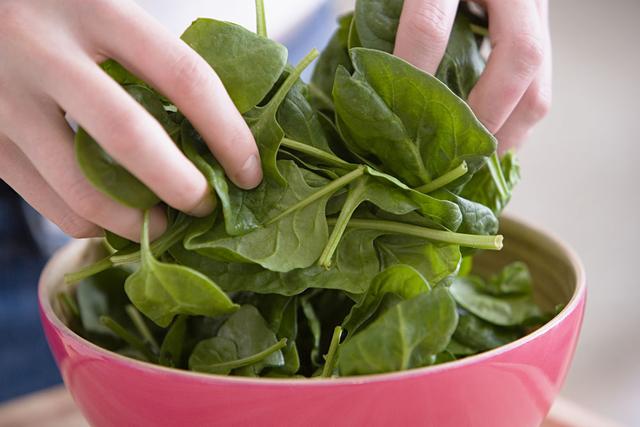
Spinach is known as the model student of nutrition. It is rich in carotenoids, vitamins and many other nutrients, and promotes gastrointestinal motility. Spinach is very low in calories, with only 17 kcal per 100 grams. It helps with bowel movements and is a vegetable you can eat without gaining weight.
Spinach is available all year round. Spinach is extremely nutritious, and because of its rich vitamin content it is hailed as a "treasury of vitamins." It is especially suitable for people with diabetes, high blood pressure and constipation.
Therapeutic effects:
1. Aids digestion and nourishes the stomach
It helps with gastric acid secretion and food digestion, and is suitable for treating food accumulation. It also helps neutralize gastric acid and relieve stomach pain.
2. Stops bleeding, cools the blood, invigorates blood and removes stasis
It is suitable for patients with hemorrhagic diseases. Spinach can also promote the circulation of qi and blood in the human body, and is suitable for treating blood stasis syndrome.
3. Lowers blood sugar and quenches thirst
It has the effect of lowering blood sugar, promotes the breakdown of sugar, and has the effect of converting excess sugar into heat, improving the body's fat balance.
4. Prevents constipation
Regularly eating spinach can keep the stool moist in the intestines and facilitate bowel movements. People with habitual constipation can regularly eat spinach and pig blood soup. Use 500 grams of fresh spinach, wash and cut into sections; 250 grams of pig blood, cut into small pieces, and cook together with the spinach in an appropriate amount of water to make soup. After seasoning, eat it as a dish during meals, at least twice a day. Regular consumption is very effective for habitual constipation.
5. Detoxification
Spinach is smooth in texture and laxative in nature, and its flavor is on the cool side. For those suffering from boils, swellings and toxic outbreaks, or from alcohol addiction, eating some spinach cleanses and resolves the condition in the stomach, allowing heat toxins to be expelled from the gastrointestinal tract.
6. Cleanses the skin and fights aging
Spinach extract has the effect of promoting the proliferation of cultured cells, both fighting aging and enhancing youthful vitality. In Chinese folk practice, spinach is mashed and the juice extracted, and the face is washed with it several times a week. After continuous use for some time, it can clean skin pores, reduce wrinkles and pigment spots, and keep the skin smooth.
7. Prevents and treats angular cheilitis
Spinach has a blood-generating effect, and people with blood deficiency can eat spinach regularly. Spinach also contains relatively high amounts of natural riboflavin (vitamin B2) and thiamine. Eating fresh spinach regularly when the spring climate is dry can prevent and treat this condition.
8. Eating spinach can prevent eye fatigue
Spinach is one of the best sources of lutein, and lutein is very effective in preventing "macular degeneration of the retina" caused by eye aging. Researchers at Ohio State University in the United States have stated that the large amount of lutein in dark green leafy vegetables is greatly helpful in preventing cataracts.
9. Lowers the incidence of heart disease
The nitrite contained in spinach can give heart attack sufferers a "breath of air."
Spinach is rich in nitrite. When a patient suffers a heart attack, the nitrite can be converted into nitric oxide gas, helping to widen or clear the arteries, thereby allowing more oxygen to reach the heart and preventing the harmful consequences of oxygen deprivation to the heart.
Natural stomach vegetable: cabbage
Cabbage is rich in dietary fiber, which is very helpful for improving constipation, and it also has the function of detoxifying and beautifying the skin. Cabbage contains a large amount of vitamin C, which can effectively inhibit the formation of melanin, making it a good choice for slimming and detoxing.
Therapeutic effects:
1. Fresh cabbage contains phytoncides, which have antibacterial and anti-inflammatory effects. When you have a sore throat, swelling and pain from trauma, mosquito bites, stomach pain or toothache, you can ask cabbage for help.
2. Cabbage contains a certain amount of vitamin U, which has the effect of protecting mucosal cells. Its fresh juice can treat gastric and duodenal ulcers, with effects of relieving pain and promoting healing.
3. Regularly eating cabbage has a cosmetic effect on the skin. It can prevent skin pigmentation, reduce freckles in young people, and delay the appearance of age spots.
4. Traditional medicine holds that cabbage is neutral in nature and sweet in taste, and can strengthen the spleen, benefit the kidneys, unblock the collaterals and strengthen the bones. Eating more cabbage can increase appetite, promote digestion and prevent constipation. Modern research has found that cabbage contains indole compounds, which can suppress and prevent cancer, and can especially reduce the incidence of breast cancer. Cabbage contains an enzyme that breaks down nitrosamines, and it has a certain anti-cancer effect.
5. Cabbage is rich in anti-aging antioxidant components, and has the effects of improving immunity and enhancing health.
6. Cabbage can also prevent and treat alcohol poisoning.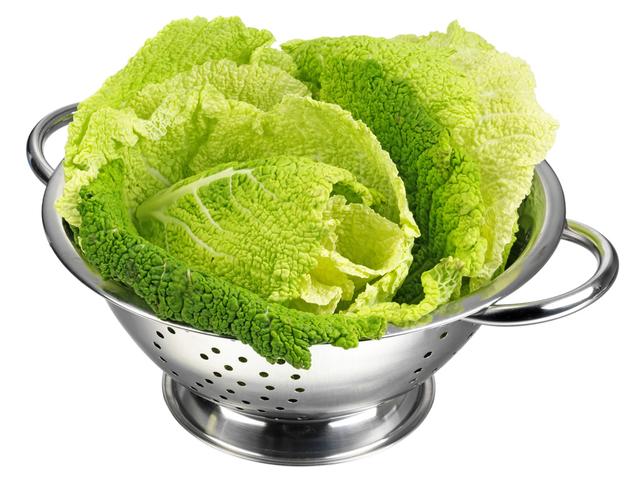
The fruit among vegetables: tomato
Tomatoes contain 19 kcal per 100 grams, are very low in calories, and contain fruit acids and cellulose, with the functions of moistening the intestines and promoting bowel movements and aiding digestion. Tomatoes are rich in dietary fiber, which easily makes people feel full, but it is not absorbed by the human body and is not easily converted into fat, making it a must-choose food for weight loss.
Therapeutic effects:
1. Anti-aging
Lycopene is not only an important natural food colorant in industry today, but also a strong antioxidant. Supplementing the human body with lycopene can help the body resist various degenerative (aging) diseases caused by free radicals. Human metabolism continuously produces oxygen free radicals, and air pollution, drugs, sunlight, radiation and so on also cause oxygen free radicals to be produced in the body. The body's anti-free-radical system, however, gradually declines with age.
2. Lowers the risk of cardiovascular disease
The degenerative effects caused by free radicals are the number one culprit behind cardiovascular disease. Because of its strong antioxidant effect, lycopene can effectively reduce and prevent cardiovascular disease and lower the risk of cardiovascular disease.
3. Prevents and fights cancer
By effectively scavenging free radicals in the body, preventing and repairing cell damage, and inhibiting DNA oxidation, lycopene reduces the incidence of cancer. Lycopene also has biochemical effects such as cell growth regulation and intercellular information sensing. It can induce gap junctional intercellular communication, ensure the transmission of normal growth control signals between cells, regulate tumor cell proliferation, and play an anti-cancer and cancer-preventing role. Studies have shown that lycopene can effectively prevent prostate cancer, digestive tract cancer, liver cancer, lung cancer, breast cancer, bladder cancer, uterine cancer, skin cancer and so on.
4. Sun protection
Prevents skin collagen from being destroyed. Collagen is the strong fiber that keeps skin firm and flexible. Ultraviolet radiation can degrade collagen, and DNA damage can also lead to cancer. In addition to blocking ultraviolet absorption, lycopene can also prevent the destruction of DNA and collagen.
5. Slows aging
Extends lifespan. Tomatoes contain a lot of vitamin C, which can effectively help us whiten our skin, slow skin aging and inhibit the formation of various spots. In addition, another study shows that lycopene not only slows aging, but also helps extend lifespan.
6. Anti-inflammatory effect
The anti-inflammatory effect is similar in many ways to non-steroidal anti-inflammatory drugs. The principle of its anti-inflammatory effect may be related to its anti-mediator properties. On isolated guinea pig ileum, tomatine can antagonize the contractile responses caused by histamine, acetylcholine, bradykinin, barium chloride and so on.

Negative calorie food: celery
Celery is rich in dietary fiber and very low in calories. It helps gastrointestinal motility and digestion, and aids detoxing and slimming. Celery contains diuretic components, which help eliminate edema. On dry and stuffy summer days, people often feel dry mouth and thirst, and regularly eating celery helps clear heat and relieve summer heat. Celery leaves have high medicinal value and can prevent diseases such as high blood pressure.
Therapeutic effects:
1. Calms the liver and lowers blood pressure
Celery contains acidic blood-pressure-lowering components, and intravenous injection into rabbits and dogs has a clear blood-pressure-lowering effect; vascular perfusion can cause blood vessels to dilate; using the aortic arch perfusion method, it can counteract the blood-pressure-raising response caused by nicotine and lobeline, and can cause blood pressure to drop. It is clinically effective for essential, pregnancy-induced and menopausal high blood pressure.
2. Nourishes the blood and tonifies deficiency
Celery has a relatively high iron content and can replenish the loss from women's menstrual blood. Eating it can avoid pale, dry skin and a dull complexion, and can also make the eyes bright and the hair black and shiny.
3. Clears heat and detoxifies
In autumn, when the climate is dry, people often feel dry mouth and thirst, short of breath and irritable, and unwell. Regularly eating some celery helps clear heat, detoxify, remove illness and strengthen the body. People with excessive liver fire, rough skin, and frequent insomnia and headaches can eat a little more appropriately.
4. Promotes urination and reduces swelling
Celery contains effective diuretic components, eliminating water and sodium retention in the body, promoting urination and reducing swelling. Clinically, the effective rate of celery water decoction is 85.7%, and it can treat chyluria.
5. Prevents and fights cancer
Celery is a high-fiber food. Through digestive action in the intestines, it produces a substance called lignin or enterolactone. This type of substance is an antioxidant, and at high concentrations it can inhibit carcinogenic substances produced by intestinal bacteria. It can also speed up the transit time of feces in the intestines and reduce the contact between carcinogens and the colonic mucosa, thereby achieving the goal of preventing colon cancer.
6. Calms and soothes the nerves
An alkaline component isolated from celery seed has a sedative effect on animals and can have a calming effect on the human body; oral administration of apiin or apigenin can counteract cocaine-induced excitement in mice, and helps stabilize emotions and eliminate irritability.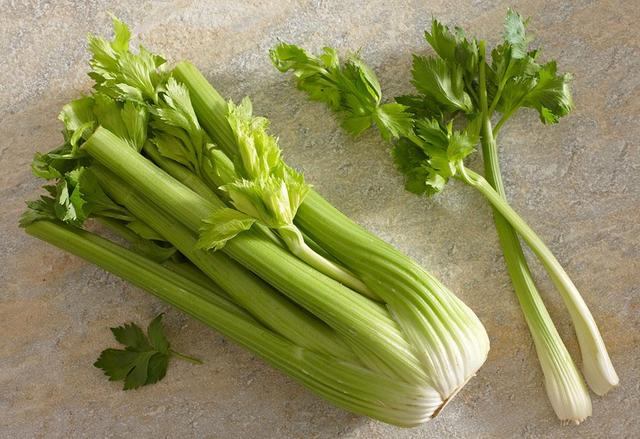
Crown of vegetables: broccoli
Broccoli is extremely nutritious, containing protein, vitamins, carotene and so on. Its nutritional content ranks first among vegetables, which is why it is hailed as the crown of vegetables. Broccoli has a very high water content and is rich in vitamins and so on, and also has a certain medicinal value. Long-term consumption has a beautifying effect.
Therapeutic effects:
1. Cauliflower is cool in nature and sweet in taste;
2. It can tonify the kidneys and replenish essence, strengthen the brain and bones, and tonify the spleen and stomach;
3. It mainly treats conditions such as prolonged illness with bodily weakness, flaccid and weak limbs, tinnitus and forgetfulness, weak spleen and stomach, and delayed development in children.
American nutritionists call on people to eat more broccoli in autumn, because at this time the nutrient content in broccoli stems is at its highest.
Broccoli has a remarkable effect on killing Helicobacter pylori, which causes stomach cancer. Broccoli is one of the foods containing the most flavonoids. In addition to preventing infection, flavonoids are also the best blood vessel cleansers, able to prevent cholesterol oxidation and platelet clumping, thereby reducing the risk of heart disease and stroke.
Some people's skin turns black and blue as soon as it suffers even a small bump or injury. This is because the body lacks vitamin K. The best way to supplement it is to eat more broccoli.
Intestine-washing grass: Chinese chives
The fiber contained in Chinese chives can promote gastrointestinal motility, help with bowel movements, and has the effect of clearing the gastrointestinal tract. Chinese chives also have the effects of warming the stomach and strengthening it. Chinese chives can not only prevent constipation and intestinal cancer, but can also wrap up debris in the digestive tract and expel it with the stool, which is why people call them "intestine-washing grass."
Medicinal value:
Effects
Tonifies the kidneys; warms the middle and promotes the movement of qi; dissipates blood stasis; detoxifies. Mainly treats kidney deficiency and impotence; abdominal pain from internal cold; dysphagia and vomiting; chest impediment pain; nosebleeds; vomiting blood; blood in the urine; dysentery; hemorrhoids; boils and swellings; lacquer dermatitis; and traumatic injuries. [5]
① Tonifies the kidneys and warms yang: Chinese chives are warm in nature and pungent in taste, but contain no aphrodisiac components.
② Benefits the liver and strengthens the stomach: they contain special components such as volatile essential oils and sulfides, giving off a unique pungent aroma that helps regulate liver qi, increase appetite and enhance digestive function.
③ Promotes the movement of qi and regulates blood: the pungent odor of Chinese chives has the effects of dissipating blood stasis, invigorating blood, promoting the movement of qi and relieving stagnation, and is suitable for conditions such as traumatic injuries, nausea, enteritis, vomiting blood and chest pain.
④ Moistens the intestines and promotes bowel movements: they contain large amounts of vitamins and crude fiber, which can enhance gastrointestinal motility, treat constipation and prevent intestinal cancer.