-
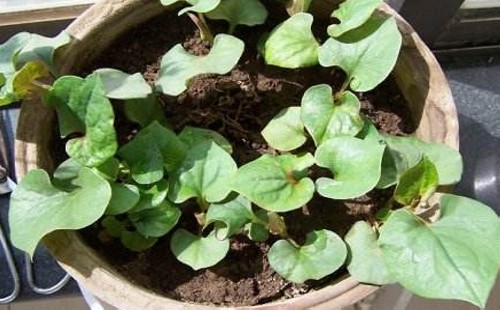
How to Propagate Houttuynia cordata? A Few Common Propagation Methods to Teach You
Houttuynia cordata can be eaten as a cold dish, used as medicine to treat illnesses, and at the same time grown as a potted ornamental plant, so it can be said to have a very wide range of uses. Houttuynia cordata itself relatively prefers shaded and moist growing environments, and fears direct strong light. In wild environments, it is mostly found in ditches and beside ponds where the light is relatively dim. So
-
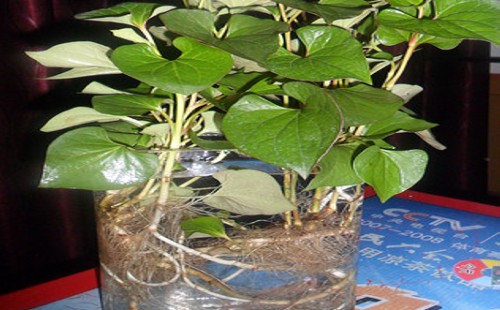
How to grow Houttuynia cordata (fish mint) hydroponically? A step-by-step guide to the specific method
Houttuynia cordata (fish mint) can not only be used as medicine, but can also be eaten. Because Houttuynia cordata has extremely high nutritional value, it is generally served as a cold dressed dish, but it can also be used as a seasoning to make dishes. Houttuynia cordata is very popular among people in southern regions, so it is widely cultivated
-
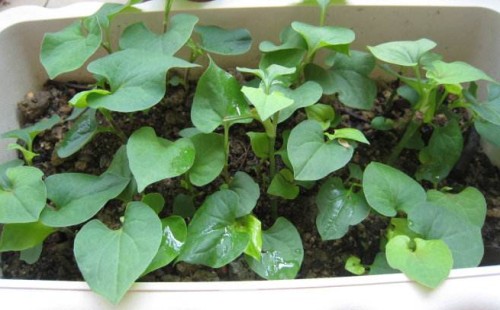
Potted Houttuynia Cordata: Growing Methods and Precautions
Houttuynia cordata, commonly known among the people as zhe'ergen, is a perennial herbaceous plant that can be both eaten and used as medicine, named for its fishy smell. Houttuynia cordata is widely distributed across the Yangtze River basin and many areas of southern China, and there are both wild and cultivated types. Houttuynia cordata is generally propagated by means of rhizomes, cuttings, division and so on
-
How to Grow Houttuynia cordata in Pots? A Detailed Guide to the Planting Method
Houttuynia cordata gets its name from its fishy odor. Because this plant has extremely high medicinal and culinary value, it is highly favored by the market. It is precisely because it can be used both as medicine and as food that it is widely cultivated in the Yangtze River basin and southern regions of China. However, as people gain a deeper understanding and knowledge of Houttuynia cordata
-
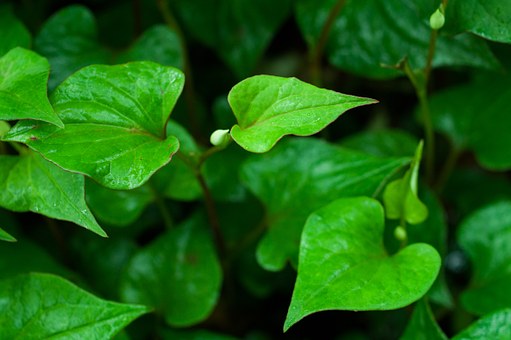
Houttuynia cordata: Growing Methods and Recipes, with Food Recipes Included
Houttuynia cordata (herbahouttuyniae), also known as zhe'ergen, cencao, ji[cai], zijicai, wild flower wheat, etc. It is the dried aerial part of Houttuynia cordata, a perennial herb of the family Saururaceae. It is produced in the provinces south of the Yangtze River basin in China. It is harvested in summer when the stems and leaves are luxuriant and the flower spikes are numerous, washed
-
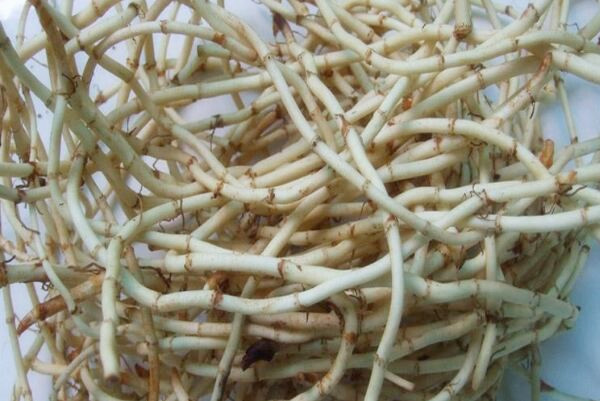
Does Houttuynia cordata (zhe'ergen) have seeds? With price per jin and growing methods
Houttuynia cordata, also known as zhe'ergen, dog-heart grass, and dog-spot grass, can be used both as medicine and food. Because it has effects such as clearing heat and detoxifying, promoting diuresis and removing dampness, it is widely used medicinally, and it is now grown in many regions
-
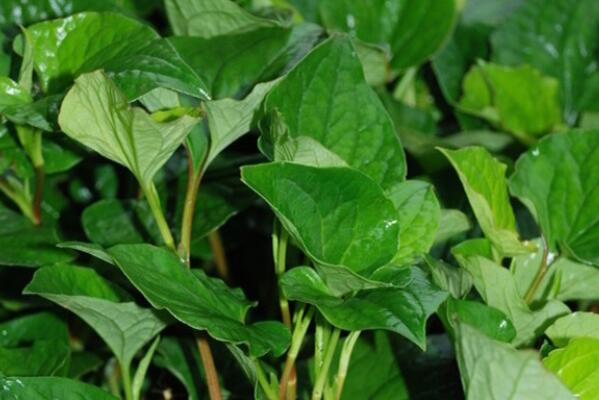
Key Points of High-Yield Artificial Cultivation Techniques for Houttuynia cordata and a Detailed Explanation of Its Effects and Functions
Houttuynia cordata, also known as dog-heart grass and zhe'ergen gou dian'er, is pungent, slightly cold, and slightly bitter. It is harvested in summer when the stems and leaves are luxuriant and there are many flower spikes, then foreign matter is removed and it is sun-dried. So what are the high-yield cultivation techniques for Houttuynia cordata? What are its effects and functions? What are the high-yield artificial cultivation techniques for Houttuynia cordata? Plant characteristics and biological properties
-
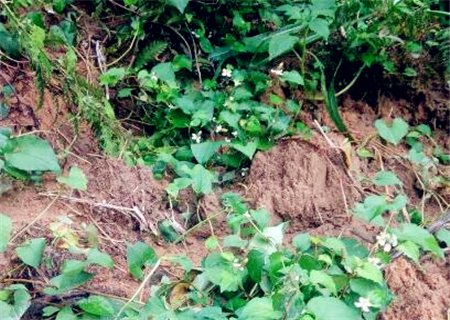
The Benefits, Effects and Contraindications of Houttuynia cordata (Fish Mint, Zhe'ergen): It Can Treat Hemorrhoids and Rhinitis
Houttuynia cordata is a Chinese herbal medicine, also called Zhe'ergen (fish mint). Houttuynia cordata is generally harvested in summer and mostly grows along field edges and roadsides. It has the effect of clearing heat and removing toxins, and back in my hometown it is generally used to make tea. So what are the benefits, effects and contraindications of Houttuynia cordata? Can it treat hemorrhoids, rhinitis and gynecological diseases?
-
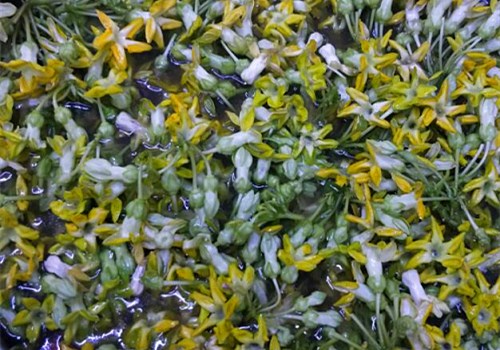
How to grow night-blooming jasmine (Telosma cordata) and its toxicity: can it repel mosquitoes, be kept in the bedroom, or be eaten?
Night-blooming jasmine, also known as night fragrant flower, night orchid fragrance, night clove and thousand-mile fragrance, is a twining vine in the family Apocynaceae (subfamily Asclepiadoideae). Its flowering period is from May to August, and it rarely produces fruit. The flowers are tubular and yellow-green, fragrant, with the scent becoming stronger at night. So, what is the method for growing night-blooming jasmine? Is it toxic? Can it repel mosquitoes or be placed in the bedroom?
-
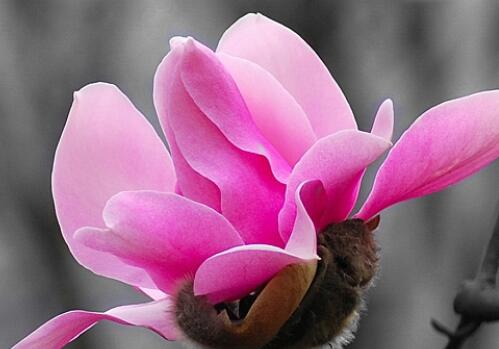
Yulan Magnolia (Magnolia denudata) Deciduous Tree: Planting, Harvesting, Blooming Period and Cultivation Techniques
Yulan magnolia (Magnolia denudata) has very high ornamental value; it is an ideal flower form for beautifying courtyards. Also known as white yulan, spring-watching flower, and yulan flower. So when is yulan magnolia (Magnolia denudata) generally planted and harvested? When does it bloom? How long is the blooming period? What are the cultivation techniques? According to Magnoliaceae information, yulan magnolia is also called spring-watching flower
条件筛选