-
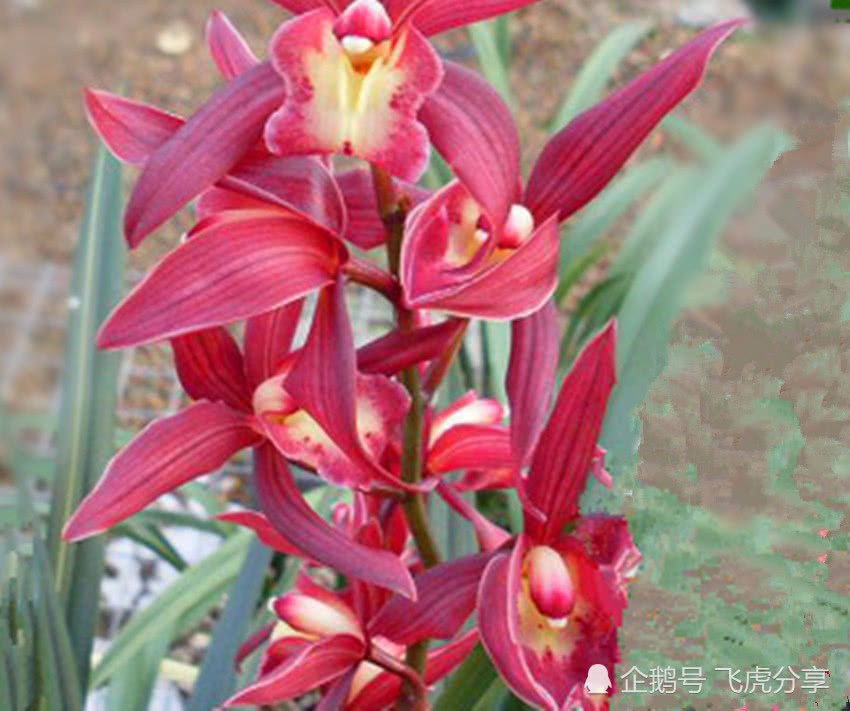
The real reasons flower leaves turn yellow and the correct solutions
In flower care, yellowing leaves can sometimes be unavoidable. Many people do not know what causes the yellowing. Some use vinegar, some use beer, but can these really turn yellow leaves green again? Now...
-

How to deal with root rot in Cymbidium orchids? A detailed guide to the correct method
Cymbidium orchids bloom large and beautiful flowers, are deeply loved by everyone, and are a common flowering houseplant. Recently, some flower lovers have reported: what causes root rot in Cymbidium orchids? Cymbidium orchids have fleshy roots, and overwatering or watering too frequently can easily lead to...
-
The correct method and steps for repotting potted plants and examining the roots
Repotting and root examination
-

Can pothos be watered with rice water? This is the correct way to do it
It can be watered with the water left over from washing rice, but you cannot do this directly, otherwise the roots will be burned. You should ferment it first; you can add some orange peel to prevent a foul smell, then dilute it with 4 parts clean water. Rice water like this is very nutritious, harmless to the environment, and very suitable for plants.
-

What soil is best for Kalanchoe? A detailed guide to the correct soil mix
This plant does not have high demands for soil. In fact, sandy soil, coal cinders and nutrient soil are all very suitable for it, and the very common leaf mold found in the wild also works well. Let us take a closer look.
-

How to propagate a Radermachera sinica (China doll) by cuttings? Detailed explanation of the correct method and steps
It is best to do this in March or April, when the temperature is around 15°C. Cut off a piece about 15 cm long, disinfect the wound, and then let it dry before inserting the cutting.
-
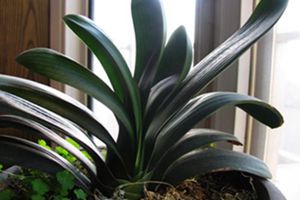
Correct Methods and Detailed Steps for Trimming Clivia (Kaffir Lily) Roots
To trim the roots of this plant, first stop watering it for a week so it can be removed from the pot more easily, then clean the soil from around the roots. Next, remove the black roots and hollow roots; any root that has completely rotted must be removed entirely, while if only part has rotted, use a knife to trim it away. If you can trim the roots by hand, do not use tools - using your hands keeps the wound area smaller.
-

What to do when Kalanchoe leaves turn black? Teaching you the correct way to handle it
In fact, this kind of black leaf is closely related to black spot disease. Once the disease occurs, we can clean up the withered branches and leaves after autumn, and after pruning, place it in a spot with good light and ventilation. When new leaves grow out, we can use carbendazim or chlorothalonil solution to treat it, spraying once every seven to ten days; spraying three or four times can solve this symptom.
-

What to Do If Your Lucky Bamboo Grows Too Tall? Here's the Correct Way to Handle It
When a plant grows too tall, it inevitably affects its ornamental appeal. For this phenomenon, there are mainly three ways to handle it. First, just leave it alone, because it won't cause any major harm. Second, trim its roots. After cutting, let it dry in a cool, shaded place. The third applies to water-grown plants. If it grows too tall, you can cut it off. Use a sharp knife to cut the base at a slant, and make sure the cut is smooth. Also, be sure to change the water, once every three to four days.
-

What to Do If Your Kalanchoe Grows Too Tall? Learn the Correct Way to Handle It
When growing kalanchoe, we are happy to see it thriving, but if it grows very tall, it is clearly leggy growth. At this point, what we need to do is pinch out the growing tips, remove the top buds, thin out the branches, and so on. This way it will not grow in vain, the flowers will bloom better, and the leaves will be more robust.
条件筛选