-
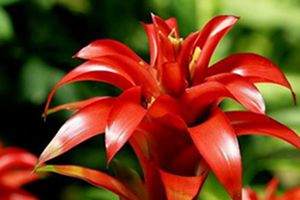
What to do when a Bromeliad (Guzmania) gets frozen? Teach you the correct remedy
If it gets frozen in winter, move it out to bask in the sun on sunny days; if there is no sun, use artificial light instead. After freezing, water it less, and even when you do water it, pay attention to the water temperature, and water from the top down. At night, put a plastic bag over it to keep it warm, so the situation does not get worse and worse.
-
-
A Brief Discussion of Orchid Fertilization Methods: Master the Correct Fertilization Techniques
Repost: A Brief Discussion of Orchid Fertilization
-

How to correctly divide the ring of small offsets that a clivia has put out so it shoots stems and blooms more in two years
It generally takes three to four years for a clivia to grow from a small offset to a mature plant, and when the total number of leaves usually reaches around fifteen or sixteen, a flower stem will generally be sent up. Of course, the growing conditions must be such that every aspect of care is very well managed. If not...
-
How to do water withholding to encourage root growth? Correct methods and key operational points
Water withholding to encourage root growth
-
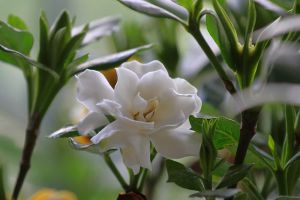
How to grow gardenia in the north? Teach you the correct care methods
Gardenia mainly grows in southern regions. If you want to grow it well in the north, you need to give it suitable conditions in terms of soil, temperature, light, fertilizing and watering. The soil should be acidic, contain plenty of humus, and have good drainage and aeration; it is best to place it in a spot with ample light and long daylight hours, and keep the temperature between 20 and 25°C. When the temperature is low, take measures to protect it from freezing, and when the temperature is too high, ventilate and cool it down promptly; it likes plenty of water but not much fertilizer, so watering once every three days and applying decomposed fertilizer once every ten days is enough to meet its water and nutrient needs.
-
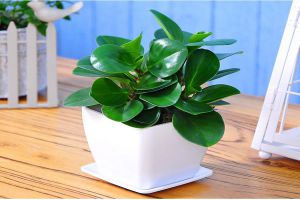
How to repot a Peperomia obtusifolia? Detailed correct method and steps
Repot it in spring or autumn. First, find a new pot for it, then place a few pieces of broken pot at the drainage hole. After that, take the plant out of the original pot together with its root ball, clear away excess soil and rotten roots, then rinse and let it dry, and plant it in the new pot. Finally, water it thoroughly once, watering until water flows out of the drainage hole.
-
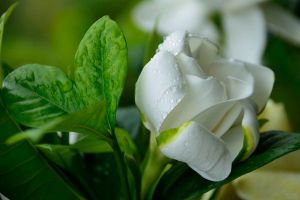
How to Prune Gardenia? Detailed Guide to the Correct Methods and Techniques
There are two periods when gardenias can be pruned: one is between May and July, and the other is around December. The pruning methods differ for each period. From May to July, the main focus is on dealing with lush branches and nutrient-deficient branches; after cutting away unnecessary branches, the remaining branches can receive enough nutrients. In December, there are mainly three methods: heading back, thinning out, and renewal pruning. Pruning this way helps regulate the balance of the plant and enables it to grow better.
-
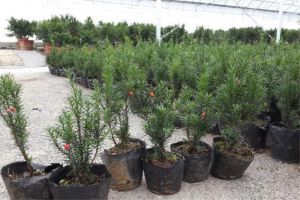
How to Pollinate Yew? A Detailed Guide to the Correct Pollination Method
Many gardening enthusiasts are not quite sure how to pollinate yew. Actually, it is not difficult. First, we need to collect male flowers and screen them to obtain pollen, then choose around 9 a.m. or 3 p.m., soak it in clean water, and add a little borax and white sugar. Then put it into a sprayer for spray pollination, or put it into gauze for wind pollination.
-
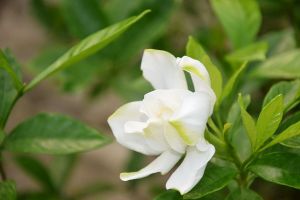
What to do if your gardenia grows too tall? Learn the correct way to handle it
When this happens, the main reason is that it has not been pruned for too long. For this plant, pruning is very important. Moreover, it must be done at the right time. First, in spring. Cut off the overly long branches, as well as the leggy flowering shoots. Second, from May to July, another pruning is needed to encourage the sprouting of branches, and it can also keep it from growing too tall. In addition, one more pruning is needed after the flowers fade. There is also another reason: too much fertilizer, which causes the plant to grow leggy, so it can be adjusted appropriately.
条件筛选