-
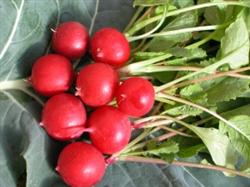
Correct Methods and Precautions for Spraying Paclobutrazol on Radishes
Cherry radish is a small type of radish with tender flesh, rapid growth, and attractive color. It can be eaten in many ways, including raw, stir-fried, pickled, and as a side dish. It is both a vegetable and a fruit, and is not only well received by resident consumers but also meets the special supply needs of hotels and restaurants, becoming a table...
-
Key Points and Correct Operation Methods of Rice Seed Soaking Technology
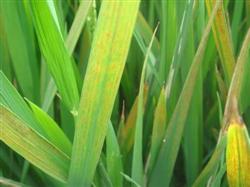
Rice premature aging refers to the premature senescence of leaves during the heading to maturity stage of rice, with leaf color turning brown, dirty-white dead areas appearing at leaf tips, leaves thin and curved, root growth weakened, and even a few black roots occurring. There are many factors causing rice premature aging; besides pests and diseases, the main ones are the following...
-
Correct Methods and Technical Key Points for Fertilizing Winter Rapeseed
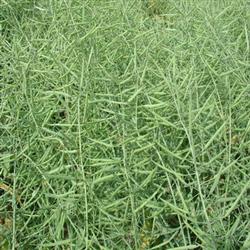
Rapeseed "flowering but not seeding," also known as stunted non-seeding. That is, from the onset of the disease in the plant until maturity, it continues to bloom successively, but cannot set seed normally. It is a physiological disease caused by planting rapeseed on boron-deficient soil, mainly occurring in Brassica napus varieties, but in recent years it has also been found in Brassica rapa rapeseed. After the disease occurs...
-
Sweet Potato Harvesting Techniques: Master the Correct Method
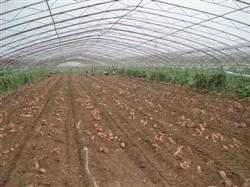
Sweet potato is a vegetatively propagated nutritional plant with no obvious maturity standard or harvest period, but harvesting early or late affects the yield, seed reservation, storage, processing and utilization, and crop rotation of sweet potato. Harvesting too early will significantly reduce the yield of sweet potato; harvesting too late, sweet potato is often affected by low-temperature chilling injury, not resistant to storage, and the dry-slicing rate declines.
-

What Should You Do When Your Flowers Keep Getting Sick? Find the Cause and Even Gardening Beginners Can Treat the Problem Correctly
In the plant world, almost every plant will contract pests and diseases; it is just that some show fewer obvious signs and suffer lighter damage from pests and diseases. This is the same principle as countless bacteria living in our bodies. Oh... as soon as you mention pest bacteria, it...
-
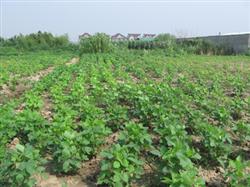
Correct methods for using herbicides in soybean fields
When choosing herbicide varieties for soybean fields, safety to the crop and low risk of herbicide injury come first; the second consideration is the control effect on weeds, that is, the control effect must be good. Under the condition of good control effect, choose varieties with lower drug costs as much as possible. The weeds in soybean fields fall into two major categories: grass weeds and broadleaf weeds. Grass weeds...
-
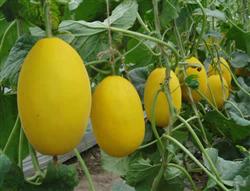
Pruning melon vines in summer requires care: mastering the correct method is key
Muskmelon and watermelon seedlings are sensitive to environmental conditions during the seedling stage. Therefore, when raising melon seedlings under protective cultivation in spring, corresponding measures must be taken according to the characteristics of climate change. 1. Prolonged overcast and low temperatures. Due to insufficient light, the photosynthetic capacity of melon seedlings is weak, nutrient absorption from fertilizer is poor, growth is slow, leaf color is pale, cotyledons easily fall off, and seedlings easily become stunted and...
-

Prune your home-grown roses correctly and they'll bloom twice as much, turning a single stem into a sea of flowers
When people grow roses, what they're after is the profusion of blooms when they flower, and to reach that goal we keep trying all kinds of methods. If you're a beginner at this, then as you dig through the information you might improve your roses through watering, fertilizing, ventilation...
-
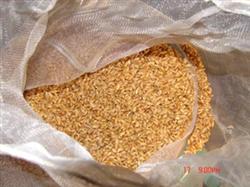
Correct Methods and Operating Steps for Disinfecting Rice Seeds
Rice seedling raising is about to begin, and seed disinfection is the key to raising seedlings. Here are 10 seed disinfection methods. 1. Soak rice seeds in a 500-fold dilution of 50% carbendazim, 50% thiophanate-methyl, or 50% thiram for 48 hours (200 g of the solution mixed evenly with 100 kg of water can soak 60-70 kg of rice seeds), then remove them, sprout them, and sow, ...
-
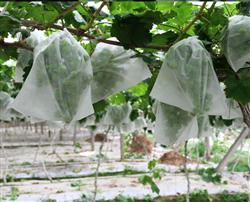
How is bagging grapes done best? A detailed explanation of the correct method
To enhance the market competitiveness of grapes, applying bagging technology to grapes has become a consensus among growers, but how can the benefits of bagging be maximized? Pre-bagging preparation: renovate the flower clusters 1 week before flowering. For large flower clusters, remove the secondary clusters and 1 to 8 lateral branches at the base of the main axis; for small flower clusters, remove few or none. Pinch off about 1/4 of the cluster tip before flowering. Thin the berries 2 weeks after fruit set, starting immediately once the fruit has set steadily and finishing before the rainy season arrives.
条件筛选