-
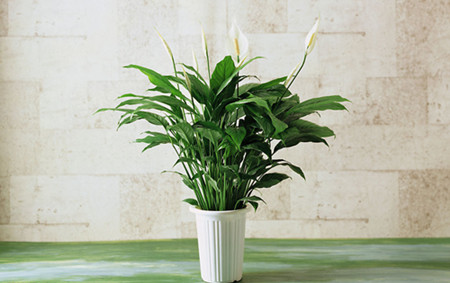
How to water potted flowers with settling water correctly? Mastering the method is key
The first watering after planting is called settling water. The settling water must be given generously and thoroughly. This is because freshly planted soil has not fully settled, and there are many gaps in the soil. Only after thorough watering can the soil and roots fully bond. Generally, after planting, water twice in a row. After the first watering drains down and water is seen flowing out of the drainage hole at the bottom of the pot
-
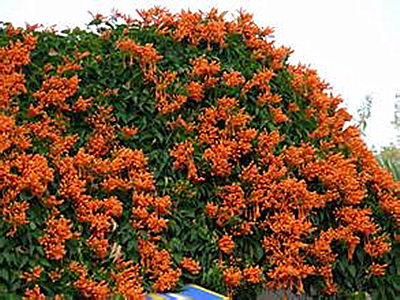
A Detailed Guide to the Correct and Scientific Propagation Methods for the Flame Vine
The flame vine (Pyrostegia venusta) is propagated mainly by cuttings, generally after flowering in spring and summer, and under greenhouse conditions it can be done year-round. For spring cuttings, roots usually begin to form about 3 weeks after insertion. If spring cuttings are planted promptly and given careful tending, they can bloom in the same year. For the cuttings, choose robust, pest-free and disease-free branches.
-
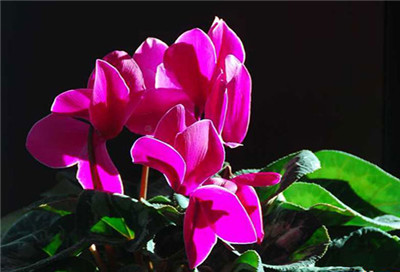
How to grow cyclamen in water? Learn the correct hydroponic care method
Growing cyclamen in water not only avoids the problems of susceptibility to pests and diseases and frequent watering that come with soil culture, but also offers higher ornamental value and economic benefit. The flowering period of water-grown cyclamen is generally 1 to 2 weeks longer than that of soil-grown plants, and the colors are more vivid. The specific method is as follows: 1. Choosing cyclamen
-
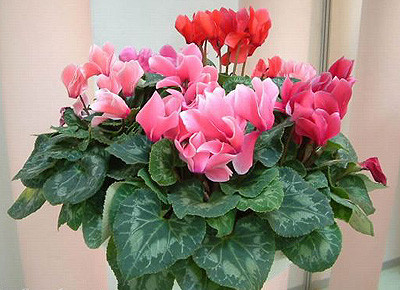
How to water cyclamen scientifically? Detailed explanation of the correct method
Cyclamen is a flower that is very sensitive to water. Watering too little can easily cause the plant to wilt, while watering too much can easily cause root rot in cyclamen. Improper watering methods can easily cause damage to cyclamen, so special attention must be paid during cultivation. Cyclamen likes water but dislikes moisture, and the potting soil needs to remain moist.
-
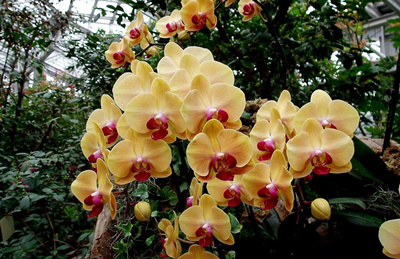
How to Water a Phalaenopsis Orchid? A Detailed Guide to the Correct Method
Phalaenopsis orchids like moisture but hate waterlogged soil. They must not lack water during the growing period; prolonged drought will turn the leaves yellow with no way to remedy it. Phalaenopsis orchids grown in pine needle medium will not become waterlogged; when watering, use a spray bottle to spray water until it flows out from the bottom of the pot. Regularly sprinkle water around the orchid pot to keep the air humid.
-
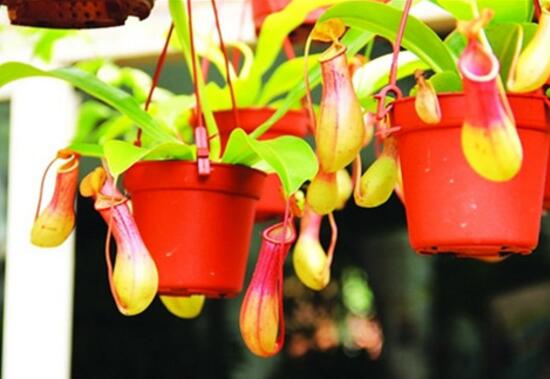
How do you water a pitcher plant correctly? Water in the morning and evening, not at noon
The pitcher plant (Nepenthes) is a plant that can repel mosquitoes; the pitchers it grows have the function of catching mosquitoes and flies. In everyday life, many people keep pitcher plants, not only because they can catch insects, but more importantly because they also look beautiful. However, if you want to grow pitcher plants well, you must pay attention to watering. So how do you water a pitcher plant?
-
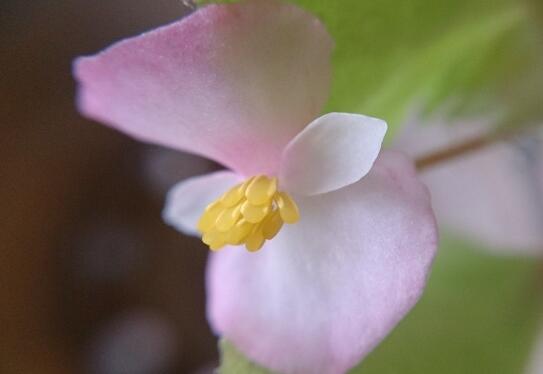
The correct cultivation methods and regular pinching and pruning of wax begonia
Wax begonia is a flowering plant native to India that was later introduced to China, and today it can be seen in many parts of the country. However, growing this plant well is not easy, and there are many points that need attention. So how do you grow wax begonia? What are the correct cultivation methods for wax begonia
-
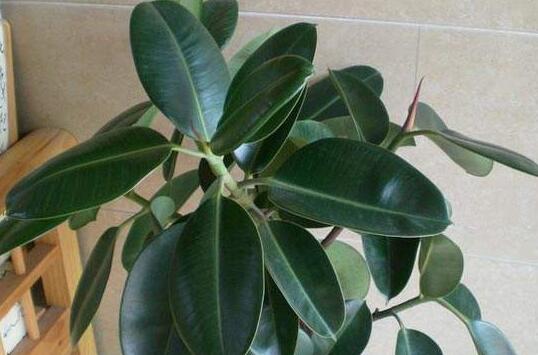
What Fertilizer Is Best for Rubber Plants? Four Tips for Correct Fertilizing
How fast a rubber plant grows is closely tied to how it is cared for, and fertilizing is an important part of that. It makes the plant's shape more attractive and its leaves glossier and more vividly green. You could say that good fertilizing brings out the very best of a rubber plant's qualities and benefits. So how do you fertilize a rubber plant? Let's look at the specific methods.
-

-

How to rescue azaleas after frostbite? Teach you the correct remedy
Although azaleas like cool, humid conditions and fear dry heat, frostbite can still occur when buying flowers in winter or during care. When this happens, handle it as follows: when the temperature drops below 0°C, a thin layer of ice will form on the outside of the flowerpot, the surface of the potting soil will also freeze, and the leaves will be frozen stiff. At this time, do not rush
条件筛选