-

What to Do When Asparagus Fern Leaves Turn Yellow? Teach You the Correct Way to Handle It
Some readers have asked what to do when asparagus fern leaves turn yellow and how to deal with yellowing asparagus fern leaves. First, you need to find out the cause of the yellowing, then treat it accordingly: when asparagus fern leaves turn yellow, or even dry up and drop off, the main causes are: ① Too much light. Asparagus fern likes semi-shade and dislikes strong light, especially in summer it must be kept away from direct sunlight
-

-
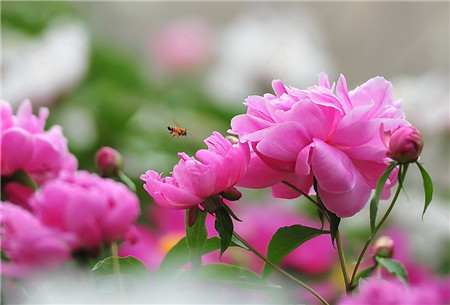
How to disbud peony flowers? Master the correct disbudding method
Peony, also known by the aliases Jiangli and Licao, is a famous herbaceous flower of the genus Paeonia in the family Paeoniaceae. Its cultivation history in China spans more than 4,900 years, making it one of the earliest flowers cultivated in China. A scientific approach to disbudding can promote healthy growth of the flower buds. Peonies can be divided into many varieties, such as Paeonia obovata, Paeonia mairei and Paeonia lactiflora.
-

How to water a Clivia? Mastering the correct method is key
Watering methods for Clivia: The temperature, humidity, pot size, soil permeability (aeration), season and other conditions in each friend's home are all different, so do not fix the watering interval at just one value. Consider the length of the interval according to changes in the environment
-
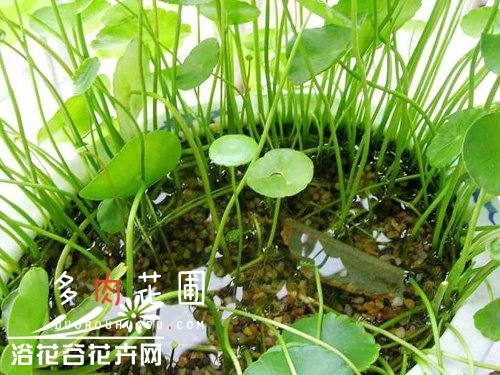
How to grow pennywort in water? Let me teach you the correct hydroponic method
Pennywort, also called water coin, likes humid environmental conditions and is suitable for growing in water trays, aquariums, ponds or wetlands: it is not strict about the environment, does best in a humid environment, and is suitable for aquatic growth. It grows toward the light, easily becomes lopsided, and grows leggy. Cultivation method: semi-water semi-soil is best, followed by soil culture; hydroponics is also possible
-
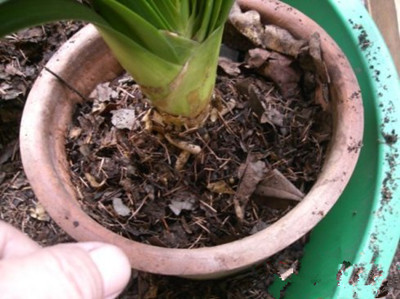
How to Change the Soil for a Clivia? Detailed Guide to the Correct Method and Steps
The method and process for changing a Clivia's soil are both very simple. To be safer, here are some precautions for changing a Clivia's soil, to help flower growers do their homework on Clivia soil changing more thoroughly. 1. Timing of soil changing: Generally speaking, Clivia should be repotted once a year, as this better helps its growth.
-
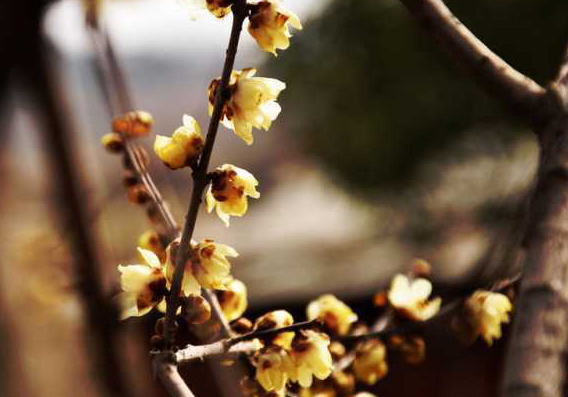
How to prune potted wintersweet (Chimonanthus praecox)? A detailed guide to the correct method
Wintersweet has strong branching ability. Pruning encourages it to sprout more thick, sturdy flower-bearing branches, and only then will it bloom more. Pruning should be done after the flowers fade and before the leaves emerge. This is because pruning too late easily causes the growth of water sprouts, which consume nutrients and water, leading to poor flower bud differentiation and affecting blooming. The pruning method is to first thin out dead branches
-
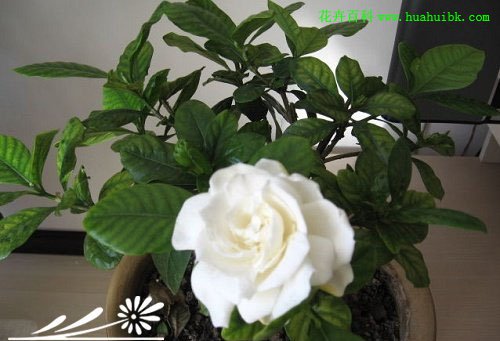
How to grow gardenia? An introduction to the correct cultivation methods
Gardenia, also known as zhizi and huangzhizi, is an evergreen shrub in the order Gentianales, family Rubiaceae, genus Gardenia. Gardenia has luxuriant branches and leaves, foliage that stays green all year round, and fragrant, elegant flowers, making it an important ornamental garden plant. Gardenia likes a warm, humid environment with plenty of light and good ventilation, but dislikes intense direct sunlight
-
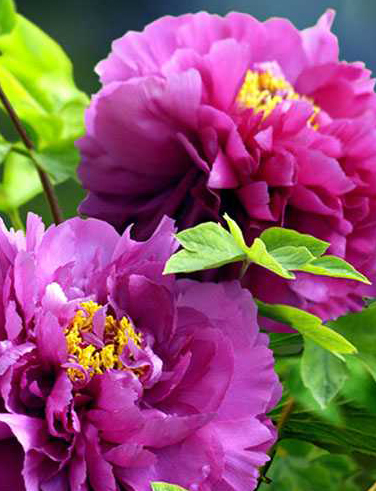
The correct methods for watering and fertilizing tree peonies
Tree peonies like moderately moist conditions and fear waterlogging; since they have fleshy roots, they should not be watered too much and especially dislike standing water, otherwise the roots rot easily and the leaves drop. After growth begins in early spring, water sparingly, and during spring droughts water in a timely manner; in summer, when the weather is hot and evaporation is high, more water is needed. But in the rainy season, do not water too much
-
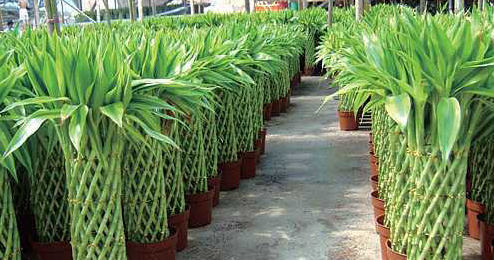
What to Do When Lucky Bamboo Leaves Turn Yellow? Teaching You the Correct Way to Handle It
Hydroponic Lucky Bamboo: When yellowing leaves appear on Lucky Bamboo, you can look for the cause from the following two aspects: First, check the water quality, mainly to see whether the roots are fresh. If the roots have rotted due to water quality, then switch to cooled boiled water. Second, check the lighting conditions of the placement location.
条件筛选