How to water potted flowers with settling water correctly? Mastering the method is key
The first watering after planting is called settling water. The settling water must be given generously and thoroughly. This is because freshly planted soil has not fully settled, and there are many gaps in the soil. Only after thorough watering can the soil and roots fully bond.
Generally, after planting, water twice in a row. After the first watering drains down and water is seen flowing out of the drainage hole at the bottom of the pot, water again. Only in this way can the soil fully absorb water and bond closely with the roots.
When watering, most flowers are watered by spraying. This not only increases air humidity but also washes dust off the leaf surface. However, for flowers with fuzzy leaves or those currently blooming, do not spray water. Instead, set the flower pot in a basin of water and let water seep in through the drainage hole at the bottom of the pot to keep the potting soil moist.
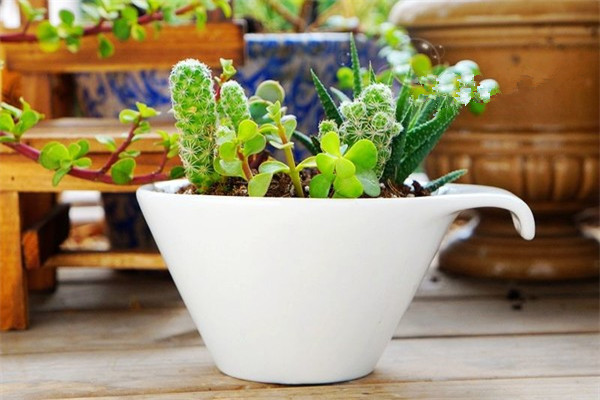
How to water thoroughly
Generally, after planting, water twice in a row. After the first watering drains down and water is seen flowing out of the drainage hole at the bottom of the pot, water again. Only in this way can the soil fully absorb water and bond closely with the roots.
Watering methods
When watering, most flowers are watered by spraying. This not only increases air humidity but also washes dust off the leaf surface.
However, for flowers with fuzzy leaves or those currently blooming, do not spray water. Instead, set the flower pot in a basin of water and let water seep in through the drainage hole at the bottom of the pot to keep the potting soil moist.
Water potted flowers with settling water this way after repotting
Today, the Flower and Bonsai Network editorial team shares with you an article about watering potted flowers with settling water this way after repotting. Let's take a look.
During this period, gardening friends often ask why the flowers and other potted plants they grow at home are dropping leaves or have yellow leaves. Many friends overlook one problem, and that is that it is time to change the soil.
How to change the soil?
Actually, it is very simple. Just remove one-third to one-half of the original soil together with the roots, and add new soil.
In half of potted plants, after about 2 years the plant roots have basically filled the flower pot, and the plant no longer has much nutrition. At this time, the soil needs to be changed once.
After changing the soil, the most important thing is to water with settling water. So-called settling water is the first watering after planting. Watering the settling water well is especially important for potted plants after repotting.
First, the settling water must be watered thoroughly, and you must see water flowing out from the bottom of the pot. This is because there are gaps between the new soil, the old soil and the plant roots. Only by watering thoroughly can these new soils settle, and only then can they fully bond with the plant roots, which is beneficial for the plant's absorption of water and nutrients.
Second, after the first watering, wait half an hour and water once more. This allows the soil to settle completely without leaving gaps.
Third, after watering the settling water, place the plant in a cool place (not necessary in winter), avoid sunlight, and do not water again until the soil is dry. If you keep watering after newly transplanting, the plant cannot breathe and is prone to root rot and death.
Fourth, the settling water must be watered even if it is raining, because if the rain is light, it is difficult to make the soil settle, which will cause the top to be wet and the bottom to be dry, and the plant is very likely to die.