What Fertilizer Is Best for Rubber Plants? Four Tips for Correct Fertilizing
How fast a rubber plant grows is closely tied to how it is cared for, and fertilizing is an important part of that. It makes the plant's shape more attractive and its leaves glossier and more vividly green. You could say that good fertilizing brings out the very best of a rubber plant's qualities and benefits. So how do you fertilize a rubber plant? Let's look at the specific methods.
What Fertilizer Is Best for Rubber Plants
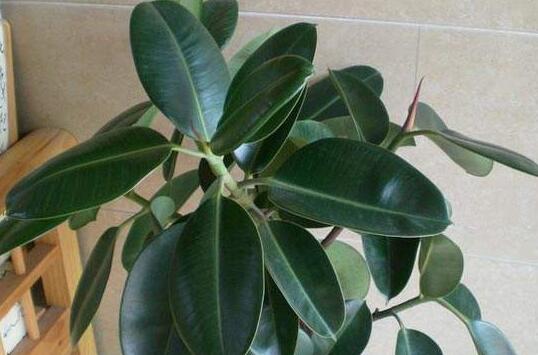
Since the ornamental value of a rubber plant lies mainly in its leaves, the fertilizer should focus on promoting leaf growth. When fertilizing, nitrogen fertilizer should be the main component, with phosphorus and potassium as a supplement. A base fertilizer is needed when potting, while during the growing season a fast-acting organic fertilizer is best; once the plant has taken shape, you can choose slower-release types.
How to Fertilize a Rubber Plant
1. Peak growing season
When the temperature is between 18 and 25 degrees, the rubber plant grows vigorously. During the young plant stage, fertilize 1-2 times a month, mainly with nitrogen fertilizer, to increase the glossiness of the leaf surface and make the leaves thicker, fuller and more plump.
2. Heavy sprouting period
In early spring, the rubber plant usually needs repotting. At this time, add some base fertilizer to the pot; you can use a small amount of cake fertilizer as base fertilizer, or livestock manure, using one tenth of the soil volume.
3. Winter dormant period
In winter the plant enters dormancy, so how should you fertilize a rubber plant then? Generally no fertilizing is needed. If in the south the winter temperature stays above 10 degrees, you can apply a diluted liquid fertilizer once a month; elsewhere, reduce fertilizing or skip it entirely.
4. Fertilizing established plants
Once the rubber plant has taken shape, it does not need fertilizing very often; usually once every 2 months is enough, using mainly slow-release fertilizers, just to ensure the soil contains the necessary nutrients.
Precautions for Fertilizing Rubber Plants
1. If your rubber plant is a variegated variety, fertilize less often, because it grows more slowly than other varieties. To keep the markings on the leaves bright and vivid, apply less nitrogen fertilizer, otherwise the color of the markings will fade.
2. After September, stop applying nitrogen fertilizer and switch mainly to phosphorus and potassium, in order to prepare the rubber plant for winter in advance; phosphorus and potassium can improve its cold resistance. Except in a few places where winter temperatures are higher, fertilizing should stop in most regions.
How do you fertilize a rubber plant, and what fertilizer should you use?
The rubber plant is a large tree and one of the common potted flowers, often placed beside buildings as decoration, where it looks majestic and impressive. Its day-to-day care is relatively simple, with nothing particularly demanding, but fertilizer and water management cannot be neglected. Today the editor will share with you how to fertilize a rubber plant and what fertilizer to use.
Fertilizing methods for rubber plants:
1. Rubber plants have a high demand for fertilizer, especially in summer, when you can fertilize often.
2. Fertilize rubber plants about once every 20 days in spring and autumn, and about once every 15 days in summer.
3. After autumn begins, rubber plants should be fertilized less or not at all, which helps them get through the winter.
What fertilizer to use for rubber plants:
Rubber plants are not demanding about soil, but fertilizing must be done well. For fertilizing rubber plants, today the editor recommends a fairly easy-to-use fertilizer - Chenfeng Biological Flower Specialty Fertilizer. Chenfeng Flower Organic Fertilizer has fairly complete nutrients, is good for soil aeration, has a long fertilizer effect, and can also improve the soil. When using Chenfeng Flower Organic Fertilizer on rubber plants, you can dilute it with water and pour it on, or bury it shallowly around the plant, avoiding the roots and stems; about 250g per pot is enough. After use, the rubber plant's leaves will be glossy and shining, and the plant will be sturdier.
That is all on fertilizing methods for rubber plants. I believe everyone now has a certain understanding. When fertilizing rubber plants, also remember to apply the knowledge flexibly and fertilize them scientifically.
How to Fertilize a Rubber Plant - This Is the Correct Way!
The Growing Habits of Rubber Plants
Rubber plants grow in warm, sunny places, which allows them to carry out normal lighting and promotes water transpiration. In spring and autumn, the weather is fairly warm and the sunlight is just right, so placing the plant in the sun to grow is ideal. In winter, you must ensure its normal temperature needs; with less light at this time, the rubber plant can still grow indoors in a spot with little light.
How to Fertilize a Rubber Plant
Summer growing season
Rubber plants grow very vigorously, so midsummer is exactly when they grow quickly. At this time their demand for water and nutrients increases, so we should fertilize more often. Soak decomposed cake fertilizer in water, then mix it with a liquid fertilizer containing phosphorus and potassium and apply it. In spring and autumn, fertilize about once every 3 weeks; in summer this can be shortened to once every two weeks. Fertilize together with watering, which will help the rubber plant grow more healthily and vigorously.
Early spring sprouting period
Each year when early spring arrives, tip the soil out of the pot and replace it to ensure the nutrients of the potting soil's base fertilizer. At this time you can prune the roots, then choose new soil and repot. If the rubber plant has grown fairly large, choose a slightly larger pot, which will support normal growth. If you want a potted rubber plant to grow fuller, you can pinch out the growing tips while it is a seedling to interfere with its growth and keep its height at around 70 cm, which will make the rubber plant you grow more attractive.