-
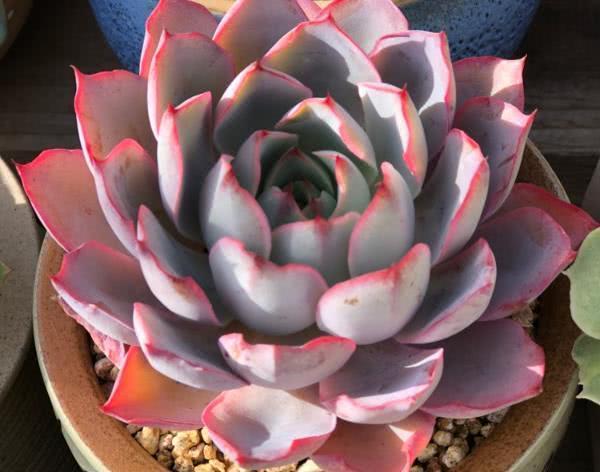
To make succulents plump, controlling water alone is not enough; you also need to ensure sufficient light.
If you want to make succulents plump, controlling water alone won't do it; you also need to ensure enough light. Some succulents will still grow leggy without light even if you control water very well. That's because more light means more photosynthesis, which allows the synthesis of what succulents need to grow...
-
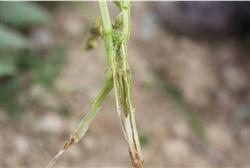
Which fungicides are effective for controlling Fusarium wilt in cowpeas (Vigna unguiculata)?
In the early stage of the disease, you can use a 1000-fold dilution of 50% carbendazim wettable powder, or a 400-fold dilution of 10% Shuangxiaoling aqueous solution, or a 1000-fold dilution of 75% thiophanate-methyl wettable powder, applying 50 to 150 grams per plant, once every 7 to 10 days, for 2 to 3 consecutive applications. Alternatively, mix 500 grams of 50% carbendazim wettable powder with 200 kg of dry soil and apply it in furrows along the sowing rows at 200 kg per mu.
-
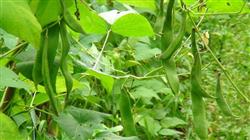
Key Techniques for Controlling Root Rot of Kidney Beans in Protected Cultivation
The suitable planting areas for white kidney beans in Shangri-La County are the mountainous and semi-mountainous areas of five townships along the Jinsha River: Hutiaoxia Town, Jinjiang Town, Shangjiang Township, Wujing Township, Sanba Township and Luoji Township. These areas sit against high mountains, have a beautiful environment, are free from the "three wastes" pollution of industry and mining, and are far from towns and cities. The soil is mostly red-brown earth and oil-sand soil...
-
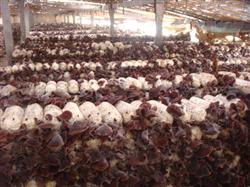
What are the methods for preventing and controlling pests and diseases in wood ear mushrooms?
Symptoms of green mold disease in wood ear mushrooms: After the spawn bags, spawn bottles, the area around the inoculation holes in log wood, and the fruiting bodies are infected by green mold, white slender hyphae first grow on the culture material, log wood, or fruiting bodies. After a few days, conidia can form. Once the conidia form in large numbers or mature, the colony turns green and powdery....
-
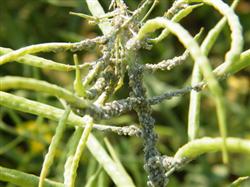
What are the methods for controlling rapeseed aphids?
[Distribution and damage] The aphids that damage rapeseed are mainly three species: the turnip aphid (Lipaphis erysimi), the green peach aphid (Myzus persicae) and the cabbage aphid (Brevicoryne brassicae). The turnip aphid and the green peach aphid occur commonly in all provinces (regions) of China. These three aphids often occur together on rapeseed, using their needle-like mouthparts to...
-
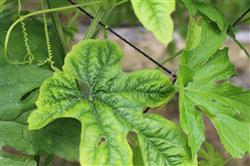
What are the methods for preventing and controlling pests and diseases in bitter melon?
How do you prevent and control pests and diseases in bitter melon? Please advise, thank you. The pests that are relatively difficult to control in bitter melon include the melon fruit fly, melon aphid, and melon webworm. 1. Melon fruit fly: commonly known as the "needle bee," the adult lays eggs in the fruit, and the larvae bore and feed inside the flesh, causing the fruit to rot and even drop, seriously affecting fruit quality and yield. Currently it is...
-
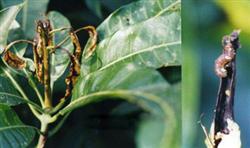
What are the methods for controlling mango pests and diseases?
How should mango pests and diseases be controlled? Which methods are effective? Integrated control of mango pests and diseases implements the plant protection policy of "prevention first, integrated control", based on improving the orchard ecological environment and strengthening cultivation management, comprehensively applying various control measures, giving priority to agricultural measures, biological control and physical control...
-
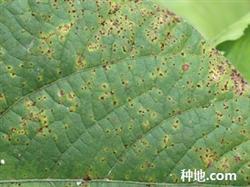
What are the methods for controlling cowpea rust in autumn?
How do you prevent rust when growing cowpeas in autumn? Please explain: the growing environment for autumn-planted cowpeas has high temperatures and relatively abundant rainfall, and in addition the amount of inoculum (urediospores) left behind in the field from spring-planted cowpeas is large. Therefore, autumn-planted cowpeas are prone to rust, and farmers should carry out integrated control early. Main symptoms: cowpeas can be infected by the pathogen throughout the entire growing period...
-
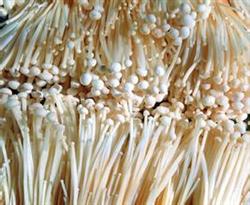
"Five Measures" for Effectively Controlling Black Head Disease in Enoki Mushrooms
Black head disease, also known as bacterial brown blotch disease, is caused by a Pseudomonas bacterium belonging to the phylum Schizomycophyta and the class Schizomycetes. The pathogen is rod-shaped, forms white colonies, and shows a negative reaction to Gram staining. 1. Conditions for occurrence: The internal cause of this disease is the variety's lack of disease resistance, while the external causes are high temperature, high humidity, or spraying unclean...
-
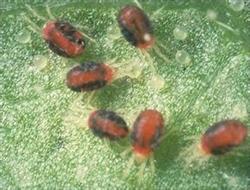
Eight Detailed Methods for Controlling Mites in Substitute-Material Wood Ear Mushrooms
Rapeseed cake powder trap method: take an appropriate amount of rapeseed (0,-5025.00,-100.00%) cake, grind it into powder, put it in a hot wok, and stir-fry over low heat until the powder gives off a rich oil fragrance, then remove from the wok. On the surface of the growing substrate or bed where the mushroom mites are causing damage, cover with a wet cloth, then lay a piece of gauze on top of the wet cloth, sprinkle the fragrant rapeseed cake powder onto the gauze, and wait...
条件筛选