-

Preventing Disease and Controlling Pests to Secure a Bumper Autumn Grain Harvest: The Ministry of Agriculture Organizes a Special Action
This website news: To secure a bumper grain harvest for the whole year, the bulk lies in the autumn grain, the key lies in disaster prevention and mitigation, and the focus is on preventing disease and controlling pests. Affected by the El Nino event, major pests and diseases such as the rice planthopper, rice leaf roller, rice blast, corn borer, and potato late blight are showing a severe outbreak trend, posing a relatively large threat to
-
How can the challenge of preventing and controlling agricultural and rural water pollution be solved?
Recently, a concentrated outbreak of blue-green algae in Dianchi Lake in Yunnan has become a hot topic of social concern during the peak summer tourism season. In recent years, concentrated outbreaks of blue-green algae in rivers and lakes have been common, highlighting the severe situation of the water environment in many rural areas of our country. Not long ago, the State Council issued the "Water
-
Preventing and Controlling Agricultural Risks to Ensure Safety and Achieve the Two Ensures Goals
In 2014, veterinary departments at all levels closely focused on the goal and task put forward by the Party Leadership Group of the Ministry of Agriculture of "striving to ensure that no regional major animal epidemic occurs and no major animal product quality and safety incident occurs," actively prevented and controlled the risk of animal diseases, and strictly supervised the safety of food of animal origin.
-
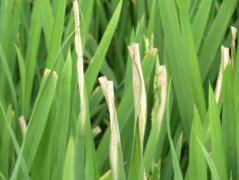
Success in Controlling Rice Bacterial Leaf Blight: Xingda Releases 2 Disease-Resistant Rice Varieties
Rice bacterial leaf blight, be gone! Xingda releases 2 disease-resistant rice varieties. Do you know which two rice varieties they are? Let's take a look. When farmers grow rice, what they fear most is encountering bacterial leaf blight, rice blast and sheath blight. The appearance of these diseases means reduced yields and affected rice qual
-
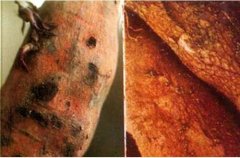
Which pesticides work well for controlling underground pests in sweet potatoes
When sweet potatoes are damaged by underground pests, the consequences can be very serious. In production, we must promptly adopt the following methods for toxic control, as this can increase yield and quality and reduce the damage suffered by sweet potatoes. The first is drenching with tea seed cake liquid. Tea seed cake liquid
-
How to Grow Chestnut Pumpkin: Do Pumpkins Need Pollination? Controlling Pumpkin Powdery Mildew
To grow chestnut pumpkin, the seeds must first be sterilized, then kept warm to promote sprouting, then placed in a seedling pot filled with potting soil. Once the cotyledons and two true leaves have grown, they can be transplanted. They sprout in one week; plant them into a seedling pot, and after another week or so, transplant them into
-
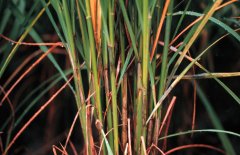
Timing and Methods for Controlling Rice Diseases at the Heading Stage and the Striped Stem Borer
In Changhua, Taichung and Nantou counties and cities, early-planted rice is about to enter the heading stage. Due to continuous rainfall in recent days, conditions are favorable for the occurrence of panicle blast and sheath blight, and monitoring data on the striped stem borer show that a relatively large number of adult moths have appeared since the 22nd, and the larvae that hatch after egg-laying will damage the rice.
-
A Detailed Guide to Identifying and Controlling Common Pests and Diseases of Chinese Cabbage
Chinese cabbage has a long history of cultivation in China and is a major vegetable for winter and spring in Northeast and North China. The leaves can be stir-fried, eaten raw, salted, or pickled in sauce, and the outer fallen leaves can still be used as feed. However, because Chinese cabbage is relatively cold-tolerant and prefers a cool climate, when it encounters high temperatures, it is prone to pests and diseases.
-
What harm do corn aphids cause, and what insecticides are good for controlling them?
Aphids are distributed very widely around the world, mainly concentrated in temperate regions, and are one of the most destructive pests on Earth, damaging most crops, with their destructiveness being relatively obvious on corn. So, what harm do corn aphids cause to corn? What
-
How effective is dichlorvos for controlling thrips?
Dichlorvos is a highly toxic pesticide, commonly used to control crop pests, so is it effective against thrips? What other control methods are there? 1. Is dichlorvos effective against thrips? Dichlorvos is effective against thrips. But when using dichlorvos to control thrips, it is generally in protected cultivation, when the thrips population is large, during rainy weather or after watering in the greenhouse, dichlorvos smoke agent can be used at 250 g/sq m.
条件筛选