-
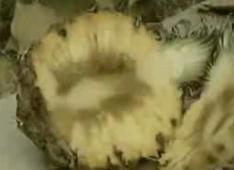
Symptoms and Control Methods of Pineapple Black Heart Disease
What is pineapple black heart disease? How to control it? Please advise. Pineapple black heart disease is one of the major diseases of pineapple, mainly affecting the fruit. In mild cases it affects fruit quality; in severe cases it causes the fruit to lose its commercial value. Symptoms: This disease mainly affects ripe fruit. There are two types of symptoms: one is that the fruitlets are affected and turn brown or form...
-
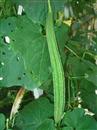
Common pests and diseases in loofah cultivation and their control methods
What pests and diseases need to be controlled when growing loofah? Please provide guidance. When growing loofah, the following pests and diseases need to be controlled: The main insect pest of loofah is: the yellow squash beetle. When insects that look like fireflies appear in a loofah field, these are symptoms of damage by the yellow squash beetle. Adult yellow squash beetles bite and feed on plant leaves, stems, flowers and fruits, breaking off the tender stems of seedlings, with leaf damage being the main type; in severe cases they can cause the death of the entire plant. The larvae cause damage to the roots in the soil; after the 3rd instar they bore and feed between the phloem and xylem, causing the aboveground parts to wilt and die. The yellow squash beetle likes warmth and moisture, is most active at noon, and the adults have a wide feeding range, damaging loofah, bottle gourd, winter melon, zucchini and other gourd vegetables.
-
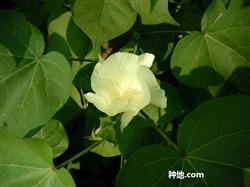
What are the control methods for the cotton stem borer (Zeuzera coffeae) in cotton?
What diseases occur during the boll stage of cotton? How should they be controlled? How are cotton boll-stage diseases controlled? The occurrence of cotton boll-stage diseases is closely related to climate, variety, insect pests, and cultivation techniques during the growth period. Therefore, the control of cotton boll-stage diseases should adopt comprehensive control measures focusing on cultivation management, combined with chemical protection. (...
-
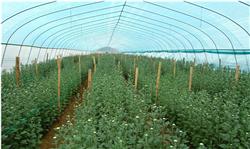
What are the control methods for crown gall disease in chrysanthemums?
Answer content: Key points of chrysanthemum cultivation and management techniques 1. Site selection: Chrysanthemums like moisture and fear drought, and cannot tolerate waterlogging. If soaked by heavy rain for 48 hours after planting, they will all die. Therefore, choose land that is fertile, convenient for drainage and irrigation, and has sufficient light. If converting rice fields for planting, reinforce the main surrounding embankment and ensure sufficient drainage and irrigation capacity, so as to avoid...
-
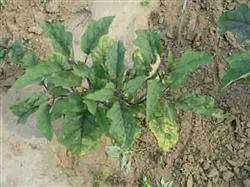
How to prevent and control verticillium wilt in chrysanthemums? A detailed guide to practical methods
I. Symptoms of damage: Verticillium wilt of chrysanthemum occurs commonly; infected plants have yellow, weak leaves, and the yellowing is initially limited to a few lower leaves, then gradually increases, and old leaves turn brown and die. Flowers are small or fail to bloom. II. Morphological characteristics of the pathogen: The pathogen is Verticillium dahliae Kleb., a fungus of the class Deuteromycetes. Mycelium...
-
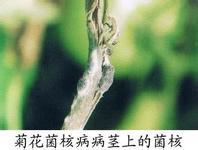
What are the control methods for sclerotinia rot of chrysanthemum?
1. Damage symptoms: Water-soaked lesions first appear on the middle and lower parts of the stem, later turning grayish white; under moist conditions, the diseased part becomes soft and rots, with a white mold layer on the surface; in the later stage, the cortex of the diseased stem rots into a shredded, split appearance, with mouse-dropping-shaped black sclerotia formed inside, and sometimes sclerotia also form on the stem surface. 2. Morphological characteristics of the pathogen: The pathogen is a fungus of the phylum Ascomycota...
-
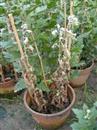
What are the control methods for chrysanthemum wilt?
I. Damage symptoms: When the disease first occurs, the leaf color becomes lighter and turns yellow, the leaves wilt and droop, and the stem base also turns light brown. A cross-section of the stem base shows the vascular bundles turning brown; the vascular bundles of the upward-extending branches gradually turn light brown as well, and the downward extension causes the outer skin of the roots to necrose or turn black and rot, with some stem bases splitting open. When humidity is high, it produces...
-
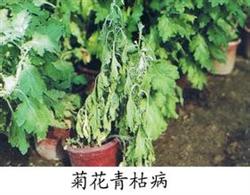
What to Do When Chrysanthemums Get Bacterial Wilt? Introduction to Prevention and Control Methods
1. Damage Symptoms: When the whole plant is infected, the above-ground leaves wilt; after lasting 3-5 days, the lower leaves turn yellow, the stem nodes near the ground appear brown, the fleshy part of the tuberous roots rots, and the epidermis and fleshy roots also turn brown, later becoming lead-white. When the diseased stem is cut crosswise, the vascular bundles turn brown, and when squeezed by hand or kept under moisture, a dirty-white bacterial ooze exudes; the diseased tuberous roots can also discharge bacterial ooze from cracks.
-
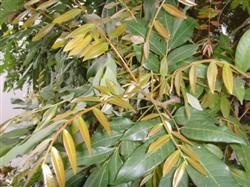
What are the control methods for longan sooty mold?
What methods are there to control longan sooty mold? Please advise on the methods. Control methods for longan sooty mold: 1. Strengthen orchard management. Prune moderately to improve ventilation and light penetration and reduce humidity. Promptly control pests such as the white moth planthopper, longan lanternfly, and scale insects to prevent pest infestations from triggering sooty mold. 2. Chemical control. In the early stage of the disease, use...
-
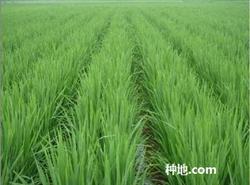
Rice Pest and Disease Control Methods and Key Technical Points
How to control rice pests and diseases? What techniques can be borrowed for rice pest and disease control methods: 1. Rice black sclerotial stem rot. A fungal disease of the stem base of rice at the adult plant stage, also called rice stem rot or small sclerotial disease. The pathogens are Sclerotium hydrophilum and Sclerotium oryzae of the Deuteromycotina. Sexual state...
条件筛选