-
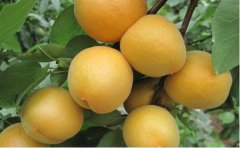
What Causes Scab on Apricots? Detailed Explanation of Prevention and Control Methods
Peach scab on apricots comes from the fungus Cladosporium carpophilum. It also affects nectarines, plums and peaches. Most apricots with peach scab are grown in home orchards, because commercial growers take preventive measures to prevent it. Apricots and Peach Scab
-
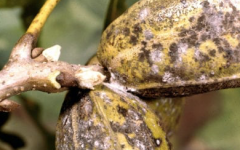
Symptoms, Damage and Control Methods of Pink Mold Disease on Pecans
Pink mold on pecans is a secondary disease that usually develops from a fungal disease called pecan scab when the nuts have previously been injured. The key to dealing with pink mold on pecans is to address the primary problem; if the pecan scab fungus is properly controlled, pecans with pink mold can usually be avoided.
-
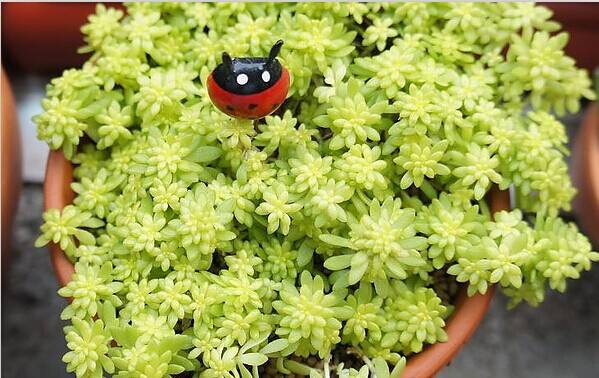
Identification and Control Methods for Major Pests and Diseases of Plum Blossom
According to preliminary statistics: plum blossom has more than 170 kinds of pests and diseases, including more than 30 kinds of diseases and more than 140 kinds of insect pests. The plum blossom, with its dignified plant form, vigorous trunk and branches, verdant leaves, lovely flowers, rich colors, and delicate fragrance, is one of the traditional famous flowers most beloved by Chinese people
-

Tulip Pest and Disease Prevention and Control Methods
Growing tulips really can bring people a feeling of visual delight, but you must also always pay attention to pest and disease prevention and control, and take good measures to protect them. I have put together the pest and disease prevention and control methods for growing tulips for you. 1. Tulip gray mold rot. The pathogen of tulip gray mold rot is Pellicularia, and this is a fungal disease
-
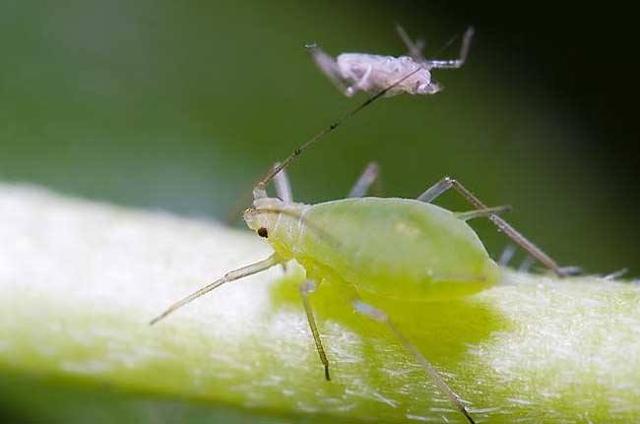
What to Do When Aphids Appear on Flowering Plants? A Summary of Highly Effective Aphid Control Methods
Flowers and plants often attract aphids, and their destructive power is strong. They usually attach to the underside of plant leaves, then suck the plant's sap; the leaves gradually turn yellow, and the plant gradually becomes stunted and cannot grow tall. In severe cases, the flowers may even wither. Spring and autumn are the seasons when aphids are most prevalent.
-
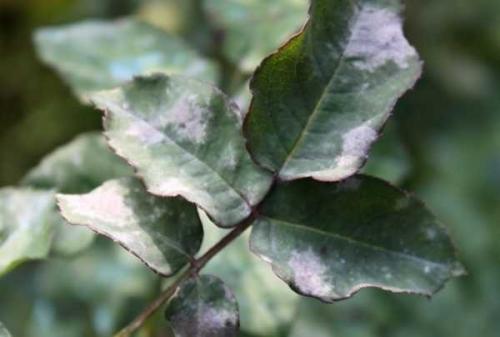
Common Pest and Disease Control Methods for Roses and Chinese Roses
Many gardening enthusiasts who love growing roses and Chinese roses often encounter four common diseases of roses and Chinese roses, such as: black spot disease, powdery mildew, branch blight, and crown gall disease. Occasionally, there are also other diseases such as rust, downy mildew, anthracnose... etc., but they are not as serious as the first four diseases
-
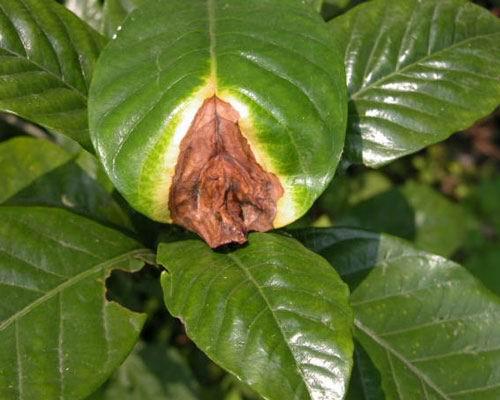
Pest and Disease Control Methods for Gardenia Cultivation
Pest and disease control for gardenia cultivation: Gardenia anthracnose. [Symptoms] This disease mainly affects the leaves of gardenia. It starts from the leaf tip and leaf margin, forming irregular or nearly circular brown lesions. Sometimes the entire leaf turns brown, and in severe cases it causes branch dieback or death of the whole plant.
-
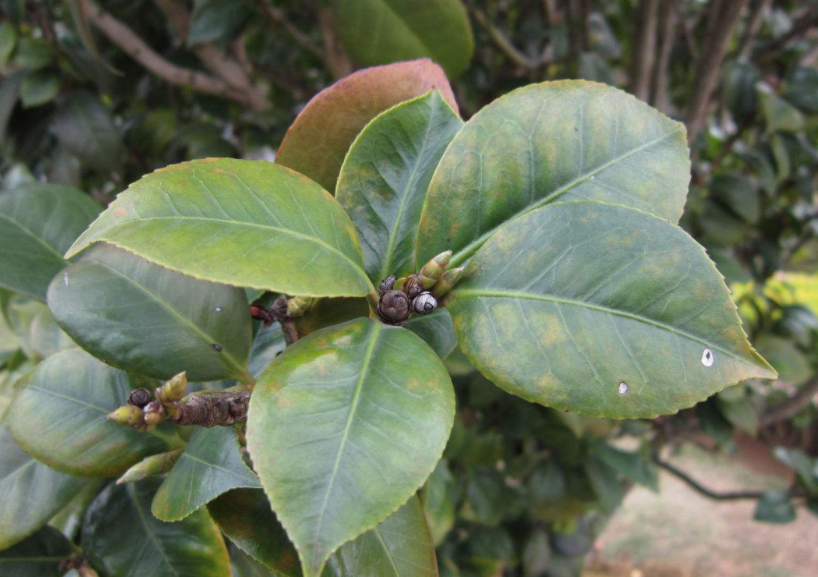
A Complete Guide to Camellia Disease Prevention and Control Methods
Camellia disease prevention and control methods: when the outbreak is small, gently wipe the mold layer clean with clean water; when the amount is large, spray 50% carbendazim at a 500-800 times dilution for control. Promptly eliminating pests such as scale insects and aphids can reduce the occurrence of sooty mold. Gray leaf spot, sooty mold and root rot are relatively common on camellias.
-
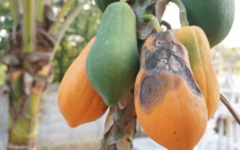
Causes and Control Methods of Anthracnose, the Main Disease of Papaya Fruit
Papaya (Carica papaya) is an attractive tree, prized for its tropical look and delicious edible fruit, a large green berry that ripens to yellow or orange. Some people call both the tree and the fruit papaya. When you see those sunken spots on papaya fruit, you
-
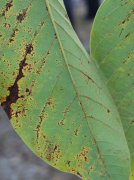
Symptoms and Control Methods of Rust Disease in Atemoya Orchards
Because orchards in mountainous areas and river valleys have high humidity, they are prone to triggering the spread and expansion of "annona rust." The Taitung District Agricultural Research and Extension Station of the Council of Agriculture (hereinafter referred to as the Taitung Station) recently monitored Beinan, Luye, and Donghe, among other areas, and found that some atemoya orchards
条件筛选