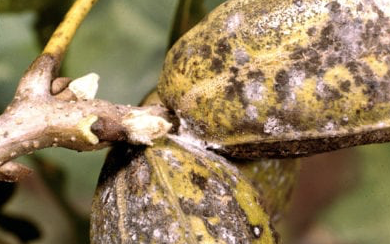
Symptoms, Damage and Control Methods of Pink Mold Disease on Pecans
Pink mold on pecans is a secondary disease that usually develops from a fungal disease called pecan scab when the nuts have previously been injured. The key to dealing with pink mold on pecans is to address the primary problem; if the pecan scab fungus is properly controlled, pecans with pink mold can usually be avoided.
Pink mold on pecans is a secondary disease that usually develops from a fungal disease called pecan scab when the nuts have previously been injured. The key to dealing with pink mold on pecans is to address the primary problem; if the pecan scab fungus is properly controlled, pecans with pink mold can usually be avoided.
Symptoms of pink mold disease on pecans: Initially, the pink mold enters through cracks and splits in the pecan, which expose damaged tissue inside the green husk. If conditions are humid, the pink mold grows rapidly and enters the interior of the pecan, destroying the nut and leaving a large amount of pink powder in its place. There is usually a musty or rotten odor.
Management of pecan scab disease will usually resolve any problems with pink mold on pecans. Pecan scab is a common but very destructive disease that affects leaves, nuts and branches, and is especially prominent in damp, humid environments. You may not be able to completely eliminate the disease, but you can reduce the presence of the pathogen, thereby minimizing the risk of pink mold on pecans.
If you are planting new pecan trees, always start with disease-resistant varieties. Your local cooperative extension office can advise you on the best varieties for your area. Plant pecan trees where they receive optimal air circulation. Leave enough space between trees. Likewise, thin and prune trees to maintain healthy airflow. Keep the area clean. Remove debris from the ground around the tree, as leaves, branches, nuts and other plant material may contain the pathogen. Plowing the debris into the soil may help prevent infection. Implement a fungicide spray schedule. Your local cooperative extension office or a knowledgeable greenhouse or nursery can help you determine the best products for your specific situation. Once the tree emerges from dormancy in early spring, the first spray treatment should be at the pre-pollination stage. Reapply the fungicide two weeks and four weeks later. At this point, spray once every three weeks for the remainder of the growing season.
Read the label carefully and use appropriate tools to spray the fungicide. Spray the trees thoroughly to form a film on all leaf surfaces.