-
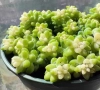
Is That Succulent a Chemically-Induced Variegation? Here Are a Few Ways to Tell
Do you always get drawn to those super-vivid variegated succulents when browsing the succulent market? Don't rush to buy! Many succulents that look absolutely gorgeous may be chemically-induced variegations. Today I'll walk you through, step by step, how to tell whether a succulent is a chemically-induced variegation, so you can avoid falling into the trap! Characteristics of chemically-induced variegated succulents 1. Color The colors of chemically-induced variegations are very strange - the white looks like wall paint, the yellow is bright
-
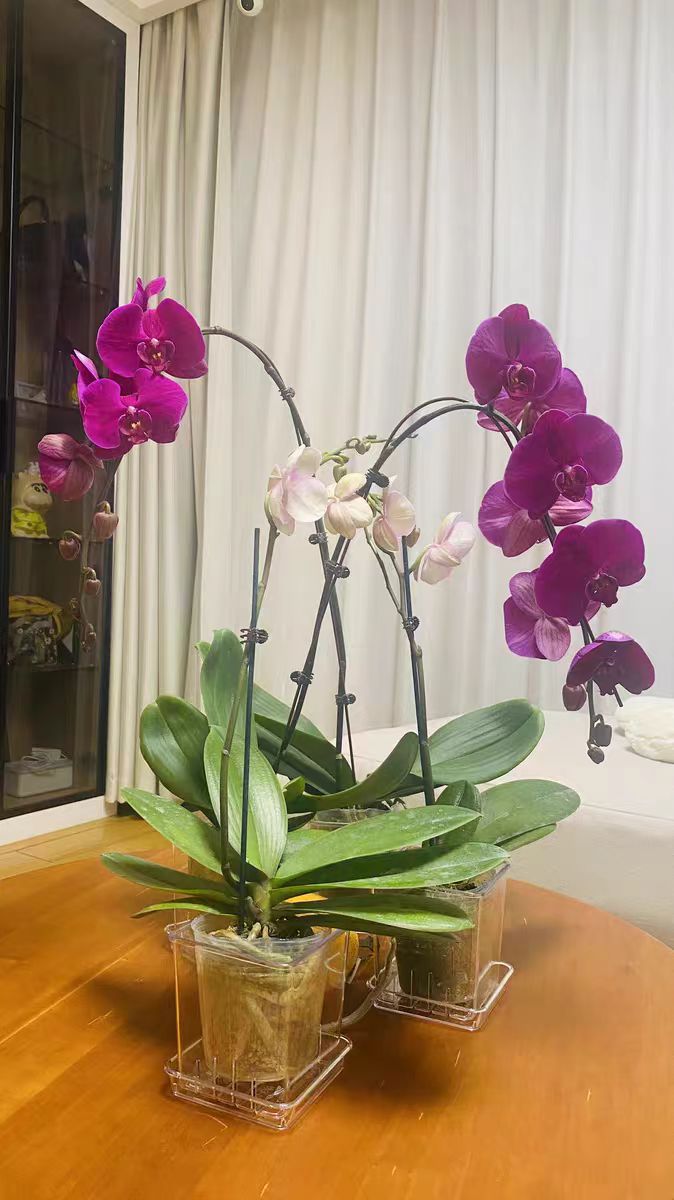
How long should the induced roots of Phalaenopsis be before it can be transplanted?
Phalaenopsis is known as the "Queen of Orchids". With its elegant flower posture and gorgeous flower colors, it is a favorite among many flower lovers. In the
-

How to care for Phalaenopsis orchids during summer heat-induced dormancy?
Summer has arrived, and observatories in many places have issued high-temperature warning signals. At this time, everyone has probably turned on their air conditioners or fans. However, in the passionate summer days, we may neglect our beloved plants. The following article will use the hot weather as an opportunity to discuss how to care for Phalaenopsis orchids that have entered a semi-dormant state. As is well known,
-

Identification of Plant Physiological Disorders: Diagnosis of Diseases Caused by Abiotic Pathogens
Identification of Plant Abiotic Pathogens and the Diseases They Cause (Physiological Disorders) ? During the process of plant growth and development, unsuitable physical factors, chemical factors, air pollution, pesticide toxicity, as well as the plant's own physiological defects or hereditary diseases in the environment, all
-
What is a chemically-induced variegated succulent, and how can you tell it apart?
The leaves of the succulent have been bleached to a beige color, with black spots, and the most likely explanation is that you bought a chemically-induced variegated plant. Because chemically-induced variegated succulents are all artificially dyed fake variegation, using chemical agents such as peracetic acid and herbicides to corrode the surface of the succulent, affecting its chlorophyll
-
Sharing Experience on Artificial Breeding in Koi Culture
1. Artificial induced spawning of koi. The time for artificial induced spawning of koi is generally chosen when the water temperature is around 25°C. The two-injection pectoral fin method can be used; effective drugs for inducing estrus include human chorionic gonadotropin, luteinizing hormone-releasing hormone analogue, and domperidone, etc. 2. Artificial insemination. In the breeding season,
-
Methods of Artificial Induced Spawning and Key Aquaculture Techniques for Snakehead
Artificial induced spawning uses injections of human chorionic gonadotropin and the pituitary glands of carp, bighead carp and bream. In the Pearl River Delta region, pituitary glands of carp, bighead carp and bream are basically used as spawning agents. The dosage per 0.5 kg of body weight is: for female fish, 7 pituitary glands of bighead carp or bream (1 carp pituitary is equivalent to
-
Prevention and Treatment Methods for Feed-Induced Diseases in Dairy Cows
In the process of dairy cow breeding, farmers mostly use various local grasses, vegetables, agricultural by-products and industrial by-products as feed. Occasionally, improper feed handling leads to dairy cow illness, reducing milk yield and quality, and even causing cow death, which affects the development of the cattle industry. The following are the
-
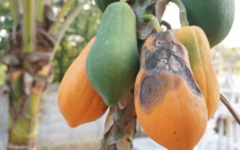
Causes and Control Methods of Anthracnose, the Main Disease of Papaya Fruit
Papaya (Carica papaya) is an attractive tree, prized for its tropical look and delicious edible fruit, a large green berry that ripens to yellow or orange. Some people call both the tree and the fruit papaya. When you see those sunken spots on papaya fruit, you
-
Don't Forget to Protect Broodstock During Induced Spawning
Reducing the death of broodstock during induced spawning is an important technical task for fry producers. In production practice we have found that there are two reasons for the death of broodstock during induced spawning: first, the broodstock consumes a great deal of energy during the spawning and reproduction process, and combined with the side effects of the inducing drugs, the body's resistance declines; if the fish is severely injured, various pathogens will seize the opportunity to infect the fish, causing disease and leading to death. Second, the broodstock's constitution is poor, the gonadal development is not good, or the water temperature varies greatly during induced spawning, and the dosage of the inducing drugs is improper
条件筛选