-
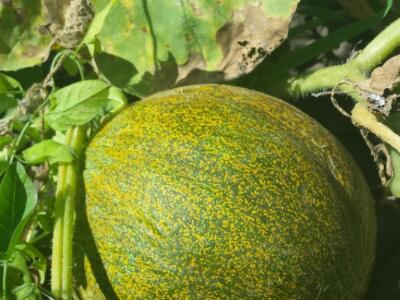
Causes and Control Methods of Angular Leaf Spot in Cucumber, Watermelon, Melon and Mango
Angular leaf spot refers to a class of diseases that occur on the leaves of various crops such as cucumber, watermelon, melon and mango, with disease spots shaped like polygons. So what are their causes and control methods? This disease is mainly prevented, and scientific management together with good ventilation and drainage conditions
-
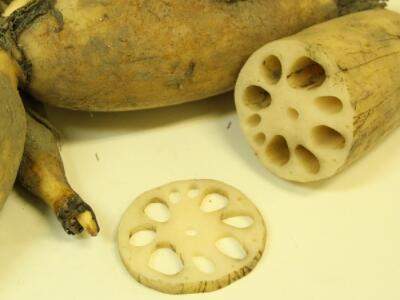
Causes and Control Methods of Soft Rot in Lotus Root, Lettuce, and Romaine Lettuce
Lotus root, lettuce, and romaine lettuce are three crops prone to soft rot during production. So what are the causes, and what control methods are available? Let's take a look below. Causes and control methods of lotus root soft rot. Causes: 1. It is a fungal disease.
-
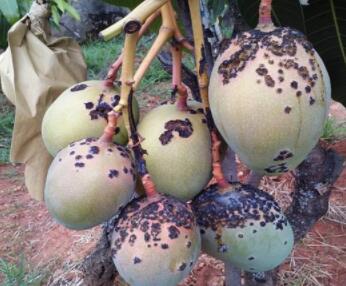
Causes and Control Methods of Bacterial Angular Leaf Spot
According to the Huaping County Organic Late-Maturing Mango Research Center, this year's temperatures in Huaping differ from previous years. In the early period (February to April), temperatures fluctuated between high and low; from May to mid-June, temperatures were relatively high with severe sun exposure, causing severe outbreaks of bacterial angular leaf spot in some mango-growing areas.
-
Damage Patterns and Control Methods of Spider Mites on Ginkgo Trees
Ginkgo biloba is a large deciduous tree, with a trunk diameter at breast height reaching up to 4 m. The fruit of the ginkgo tree is commonly known as white fruit (baiguo), hence the ginkgo is also called the white fruit tree. The ginkgo tree grows slowly and has an extremely long lifespan. Under natural conditions, it takes more than twenty years from planting to bearing ginkgo fruit, and only after forty years can it produce fruit in large quantities, so some people also call it the "grandfather-grandson tree"
-
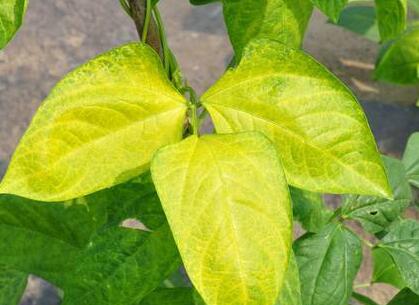
What to Do When Bean Leaves Turn Yellow? Causes and Control Methods
Many farmers encounter the problem of yellowing bean leaves, whether it is new leaves turning yellow or old leaves at the bottom turning yellow. There are many reasons for leaf yellowing, and if effective measures are not taken in time, it can even lead to total crop failure in severe cases. Below are several effective measures recommended for bean leaf yellowing under different circumstances.
-
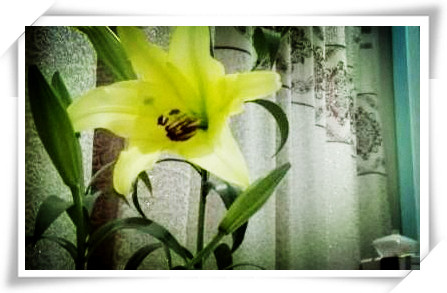
Symptom Identification and Control Methods for Lily Leaf Scorch
Lily, also known as Qiangshu, Fanjiu, Shandan, Daoxian, Chongmai, Zhongting, Moluo, Chongxiang, Zhongfenghua, Baihesuan, Dashifusuan, Suannaoshu, Yehehua and so on, is a perennial herbaceous bulbous plant of the genus Lilium in the family Liliaceae. It originated in China and is mainly distributed in temperate regions of the Northern Hemisphere, including eastern Asia, Europe and North America
-
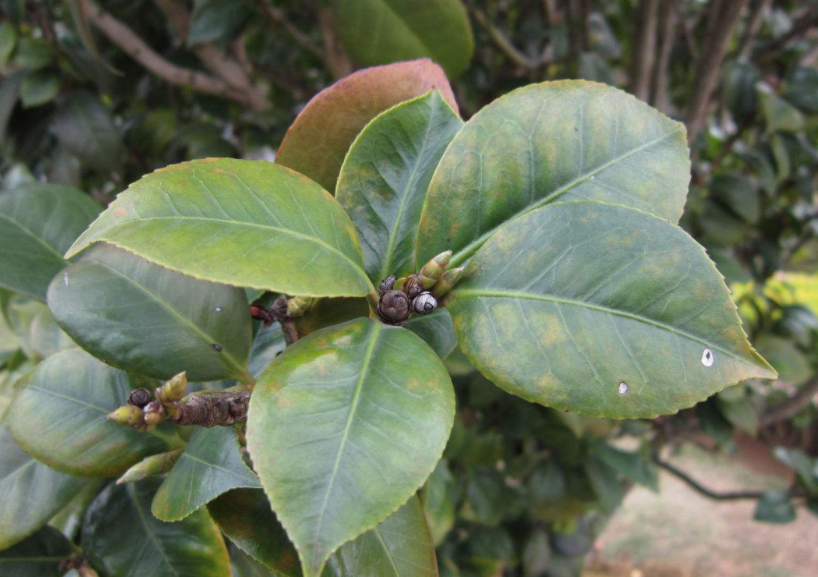
A Complete Guide to Camellia Disease Prevention and Control Methods
Camellia disease prevention and control methods: when the outbreak is small, gently wipe the mold layer clean with clean water; when the amount is large, spray 50% carbendazim at a 500-800 times dilution for control. Promptly eliminating pests such as scale insects and aphids can reduce the occurrence of sooty mold. Gray leaf spot, sooty mold and root rot are relatively common on camellias.
-
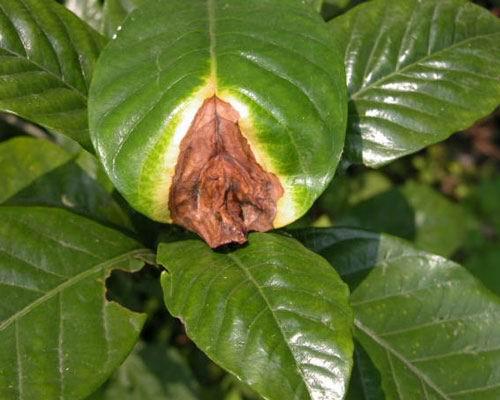
Pest and Disease Control Methods for Gardenia Cultivation
Pest and disease control for gardenia cultivation: Gardenia anthracnose. [Symptoms] This disease mainly affects the leaves of gardenia. It starts from the leaf tip and leaf margin, forming irregular or nearly circular brown lesions. Sometimes the entire leaf turns brown, and in severe cases it causes branch dieback or death of the whole plant.
-
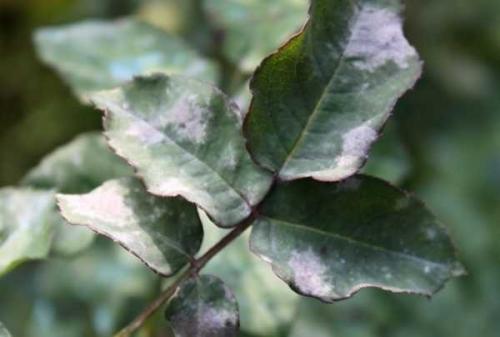
Common Pest and Disease Control Methods for Roses and Chinese Roses
Many gardening enthusiasts who love growing roses and Chinese roses often encounter four common diseases of roses and Chinese roses, such as: black spot disease, powdery mildew, branch blight, and crown gall disease. Occasionally, there are also other diseases such as rust, downy mildew, anthracnose... etc., but they are not as serious as the first four diseases
-
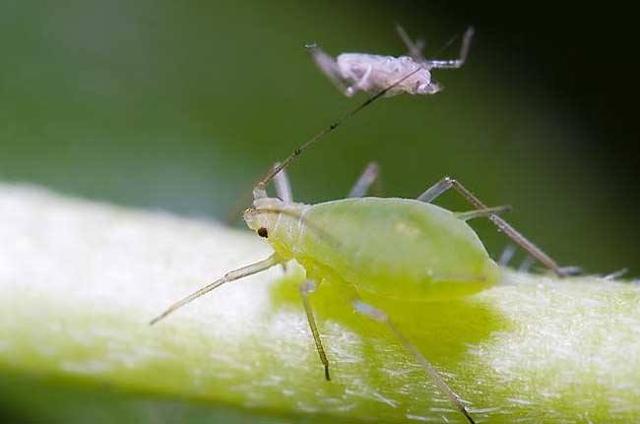
What to Do When Aphids Appear on Flowering Plants? A Summary of Highly Effective Aphid Control Methods
Flowers and plants often attract aphids, and their destructive power is strong. They usually attach to the underside of plant leaves, then suck the plant's sap; the leaves gradually turn yellow, and the plant gradually becomes stunted and cannot grow tall. In severe cases, the flowers may even wither. Spring and autumn are the seasons when aphids are most prevalent.
条件筛选