-

Tulip Pest and Disease Prevention and Control Methods
Growing tulips really can bring people a feeling of visual delight, but you must also always pay attention to pest and disease prevention and control, and take good measures to protect them. I have put together the pest and disease prevention and control methods for growing tulips for you. 1. Tulip gray mold rot. The pathogen of tulip gray mold rot is Pellicularia, and this is a fungal disease
-
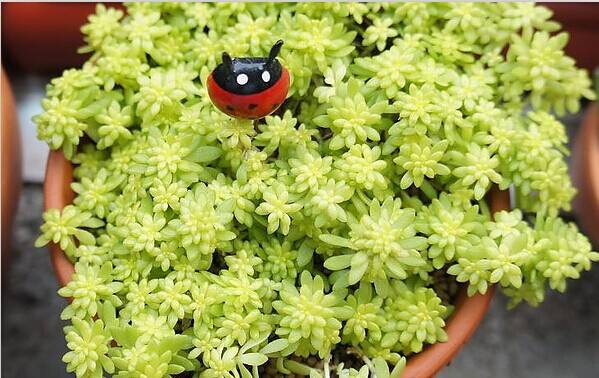
Identification and Control Methods for Major Pests and Diseases of Plum Blossom
According to preliminary statistics: plum blossom has more than 170 kinds of pests and diseases, including more than 30 kinds of diseases and more than 140 kinds of insect pests. The plum blossom, with its dignified plant form, vigorous trunk and branches, verdant leaves, lovely flowers, rich colors, and delicate fragrance, is one of the traditional famous flowers most beloved by Chinese people
-

Identification and Control Methods for 11 Common Pests of Flowers and Plants in Spring
Right now spring is in the air and all things are reviving, a great period for the growth of potted flowers and plants. All kinds of flowers and plants begin to sprout and resume growth, and this season is also a peak period for the growth of various pests. If prevention and control are not carried out promptly, potted flowers and bonsai, as well as foliage plants that show the most obvious symptoms, will be infected with pests and diseases
-
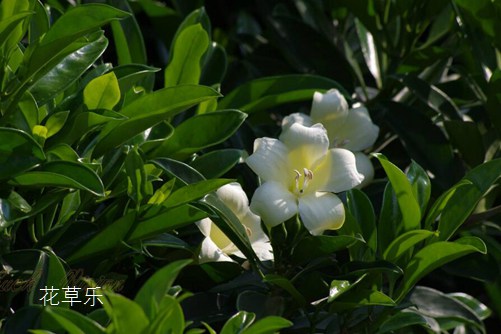
What to Do When African Jasmine Has Pest Problems? All the Control Methods Are Here
African jasmine is a plant suited to indoor placement, easily adapts to any environment, and is fairly easy to grow. Moreover, African jasmine generally does not often suffer from pests and diseases, but occasionally some do occur. So what pests and diseases might occur, and how should they be handled when they do? What should be done when African jasmine has pest problems
-
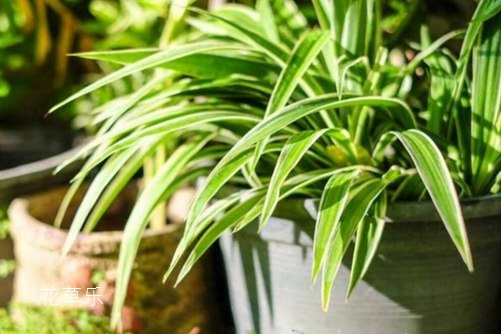
Disease and Pest Prevention Patterns, Causes, and Control Methods for Spider Plants
Spider plant, also known as ribbon plant, bracket plant, spider ivy, orchid grass, folding crane orchid, and air purifier, is native to Africa. It is a dominant presence among indoor green plants and has the reputation of being a green purifier. It is relatively easy to grow, but it cannot avoid the invasion of pests and diseases. If pests and diseases cannot be prevented and controlled, it will affect the growth of the spider plant.
-
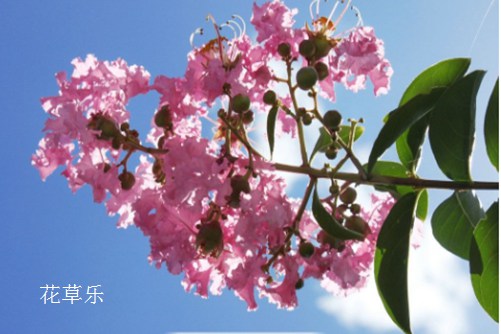
What to Do When Crape Myrtle Leaves Turn Yellow? Causes and Control Methods
Compared with other potted plants, crape myrtle is relatively easy to grow; it is quite adaptable and has a very high survival rate. But have you noticed that some crape myrtles show yellowing, withered conditions? Is it improper care, or is it lacking "vitamins" just like a person? Next
-
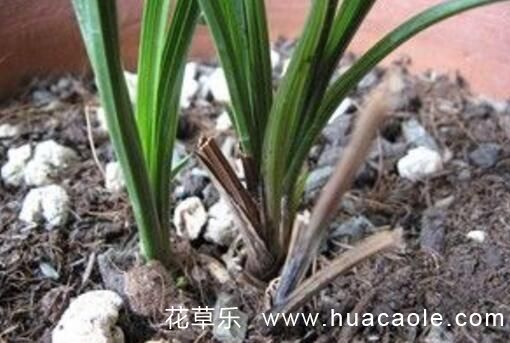
Detailed Guide to Orchid Pest and Disease Control and Management Methods
In traditional Chinese famous flowers, orchids refer only to several species of terrestrial orchids distributed among the Cymbidium plants of China, such as Chunlan, Huilan, Jianlan, Molan and Hanlan, which are commonly known as Chinese orchids. They have a simple, quiet, elegant and noble temperament, which fits well with Oriental aesthetic standards. In China, they have a cultivation history of more than one thousand years
-
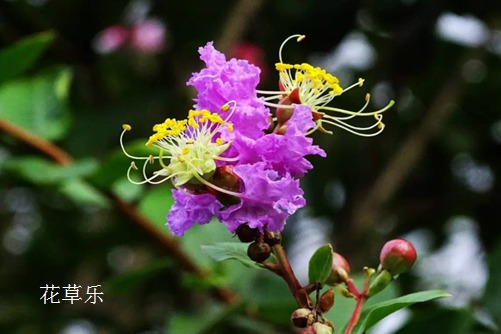
Symptoms and Control Methods of Crape Myrtle Flower Pests and Diseases
"Enchanting as if drunk with beauty, still fair; weighed down by dew, battered by wind, leaning all the more. Who says no flower stays red for a hundred days? The crape myrtle blooms on for half a year." - Yang Wanli. The crape myrtle flower, also known as "Hundred-Day Red," has been a favorite of writers and scholars since ancient times. The crape myrtle in Yang Wanli's verse is vividly lifelike, painting for us a lively and beautiful picture. But
-
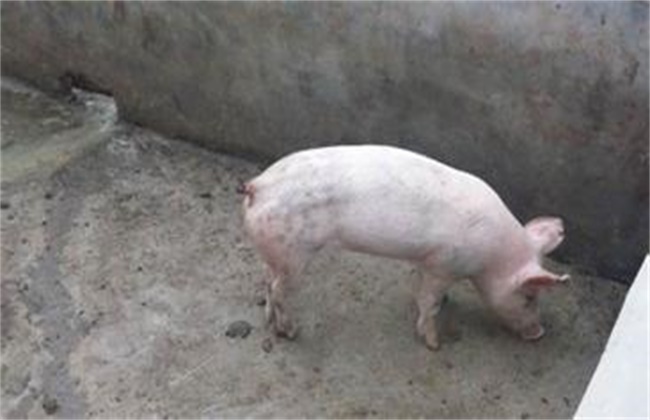
Cause Analysis and Prevention and Control Methods of Pig Pica
Causes and Prevention and Control Methods of Pig Pica
-
条件筛选