Symptom Identification and Control Methods for Lily Leaf Scorch
Lily, also known as Qiangshu, Fanjiu, Shandan, Daoxian, Chongmai, Zhongting, Moluo, Chongxiang, Zhongfenghua, Baihesuan, Dashifusuan, Suannaoshu, Yehehua and so on, is a perennial herbaceous bulbous plant of the genus Lilium in the family Liliaceae. It originated in China and is mainly distributed in temperate regions of the Northern Hemisphere, including eastern Asia, Europe and North America. At least 120 varieties have been found worldwide, of which 55 are produced in China. In recent years, many new varieties have been produced through artificial hybridization, such as Asiatic lilies, fragrant lilies and fire lilies. The bulb is rich in starch, is edible and is also used medicinally.
Lily leaf scorch, also known as leaf blight and leaf burn, has the following specific symptoms: leaf scorch occurs before flower buds are visible to the naked eye. Before budding, the young leaves curl slightly inward, and after a few days yellow-green to white spots appear at the leaf tips. In severe cases, the white spots can turn brown and scorched, and the leaves and younger buds will fall off. The main cause is an imbalance between water uptake and transpiration in the plant, and it is related to excessive manganese salts and aluminum salts in the soil, poor root development, calcium deficiency in young leaf cells, and rapid changes in relative humidity in the greenhouse. It is also related to variety and bulb size, with large bulbs being more susceptible to the disease than small bulbs.
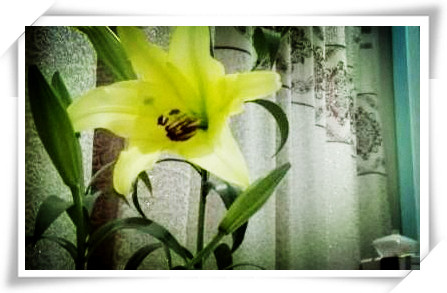
Control methods: controlling pests and diseases that damage the root system, regulating soil moisture, selecting suitable varieties, and using small-sized bulbs as much as possible are the main measures for controlling leaf scorch. At the same time, after planting the bulbs, the soil cover should be maintained at 6 cm to 10 cm, the relative humidity in the greenhouse should be kept between 75% and 85% as much as possible, large differences in temperature and relative humidity should be avoided, and shading and water spraying in summer should be used to avoid excessive transpiration and prevent excessive growth.
Note: Lilies prefer cool conditions and are relatively cold-tolerant. They grow poorly in high-temperature areas. They prefer dry conditions and are afraid of waterlogging.
If soil moisture is too high, the bulbs will rot and die. Lilies are not strict about soil, but in deep, fertile, loose sandy loam, the bulbs are white in color and thicker in flesh. Heavy clay soil is not suitable for cultivation. The root system is robust and well developed, and lilies are tolerant of fertilizer.
After emerging in spring, lilies require sufficient nitrogen nutrition and adequate phosphorus and potassium fertilizer, N:P:K=1:0.8:1, and fertilizer should be mainly organic fertilizer. Continuous cropping should be avoided, with a rotation once every 3~4 years, and the previous crop is best as legumes or grasses.