-
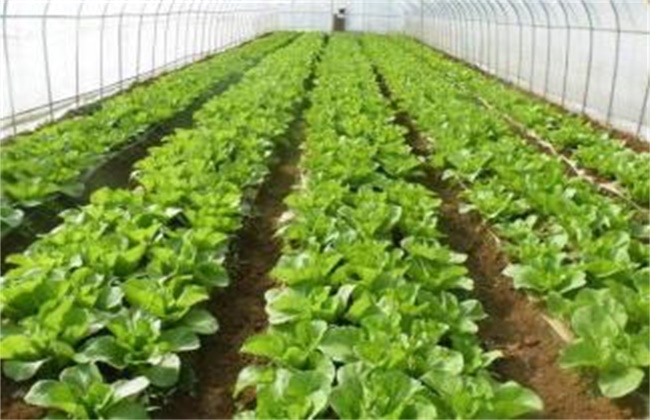
What to Do About Continuous Cropping Obstacles in Greenhouse Vegetables? A Detailed Guide to Prevention and Control Methods
What Should Be Done About Continuous Cropping Obstacles in Greenhouse Vegetables
-
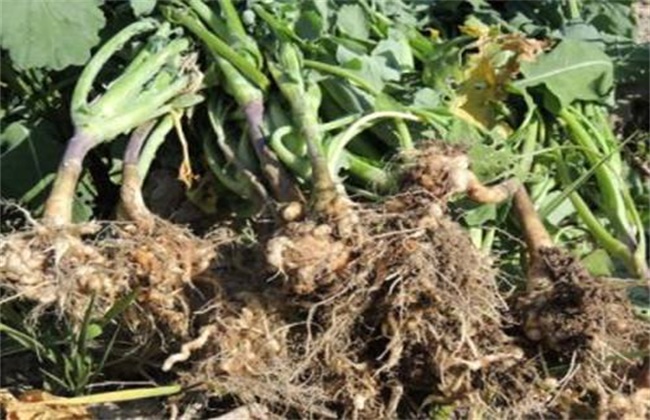
How to prevent and control clubroot when vegetables are grown in continuous cropping
How to prevent and control clubroot in continuous vegetable cropping
-
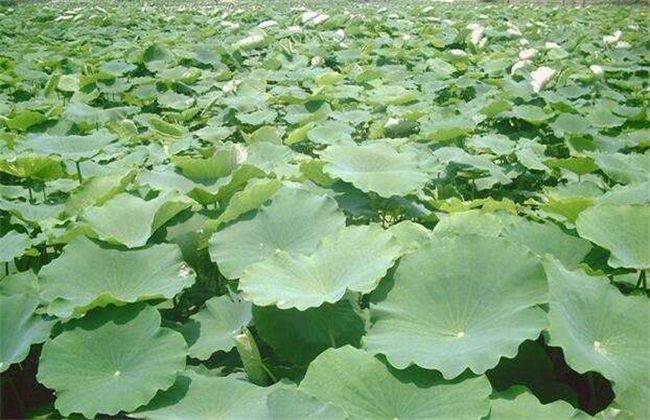
What are the dangers of continuous cropping of lotus root? Growers need to pay attention
What are the dangers of continuous cropping of lotus root
-
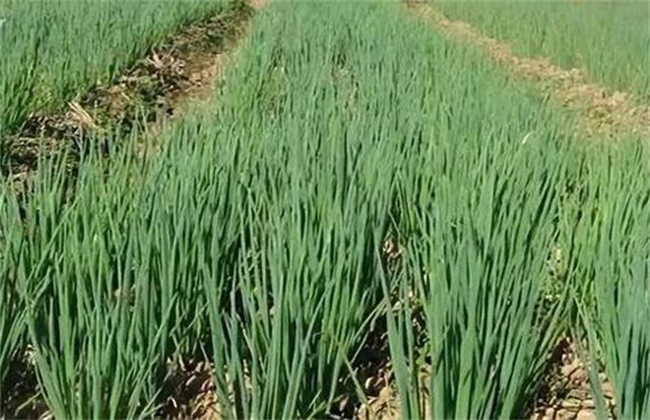
What are the causes of continuous cropping obstacles in scallions and how can they be prevented and controlled?
Causes of continuous cropping obstacles in scallions and prevention and control methods
-
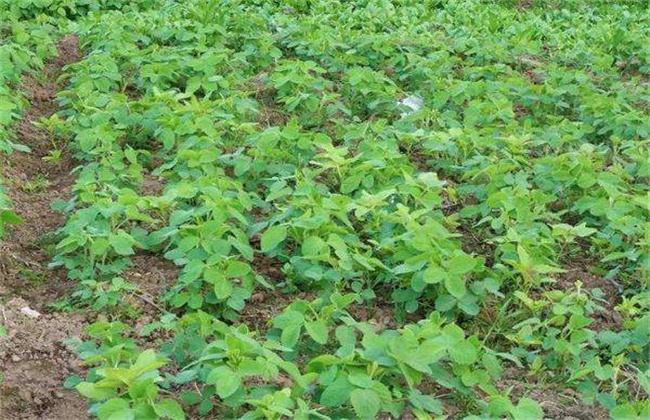
What issues should be noted when planting soybeans in continuous cropping?
Issues to note in continuous soybean cropping
-

Causes of Continuous Cropping of Edible Fungi, Control Measures, and Introduction Notes
Causes of "Continuous Cropping" in Edible Fungi and Control Measures
-
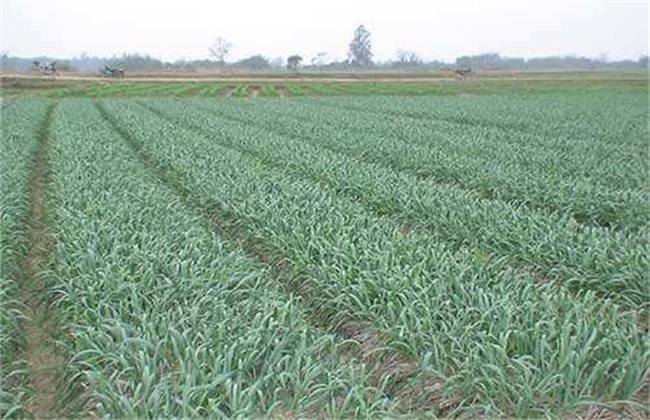
What Causes Garlic Continuous Cropping Obstacles? Detailed Explanation of Prevention and Control Measures
Causes of Garlic Continuous Cropping Obstacles and Prevention and Control Measures
-
How to mitigate continuous and alternate soybean cropping? Integrated measures are key
To minimize yield losses from continuous and alternate cropping, continuous and alternate soybean planting should be avoided as much as possible, rational crop rotation should be maintained, alternate cropping should be reduced, and continuous cropping should be controlled. In the long term, the area of continuous and alternate soybean cropping should not be expanded without limit, so as to avoid declining soil productivity and creating a vicious cycle. When continuous and alternate cropping is unavoidable, alternate cropping should be arranged first, and continuous cropping should be used only when alternate cropping cannot be arranged, and continuous cropping must not exceed two years. In response to the causes of yield reduction under continuous and alternate cropping, with emphasis on regulating nutrition and controlling pests and diseases, existing scientific
-
Why do continuous and alternating soybean cropping reduce yields? Cause analysis and countermeasures
With China's accession to the WTO and the opening-up policies of the grain market, the problem of continuous and alternating soybean cropping has become increasingly serious, and the yield reduction increases as the number of consecutive cropping years rises. According to surveys and research, alternating cropping reduces yield by 6.1%, one year of continuous cropping by 9.9%, two years of continuous cropping by 13.8%, and three years of continuous cropping by 19.0%. Moreover, in continuous and alternating cropping soybeans, the 100-seed weight decreases, the rate of diseased seeds and insect-damaged seeds increases, and commercial quality drops significantly. With long-term continuous cropping of more than 3 years, the protein content of soybeans increases markedly while the fat content decreases markedly. According to research by scientific research departments
-
Reasons for Yield Reduction in Continuous and Alternate Soybean Cropping and Yield-Preserving Techniques
I. Reasons for Yield Reduction in Continuous and Alternate Soybean Cropping Continuous and alternate soybean cropping causes plants to grow slowly and become short, with yellowing leaves, fewer pods, and fewer seeds, ultimately leading to a significant reduction in yield. In the short term, continuous and alternate cropping intensifies the damage from cyst nematodes, root maggots, root rot, pod borers, gray leaf spot, and malignant weeds, causes unbalanced depletion of soil nutrients, leads to deficiencies in soil nutrient elements, increases pathogenic fungi and decreases beneficial bacteria in the soil, and produces certain toxins, resulting in a severe decline in soybean yield and quality. In the long term, after long-term accumulation and reproduction, diseases, insects
条件筛选