What are the dangers of continuous cropping of lotus root? Growers need to pay attention
Lotus root is the underground rhizome of the lotus flower and is also a common edible vegetable. Lotus root generally grows in ponds. In general, if planted on a large scale, it is not suitable for continuous cropping. Continuous cropping tends to worsen diseases, accumulate more pathogens, hinder growth, and result in very low output quality. So what exactly are the dangers of continuous cropping of lotus root, and are there ways to improve it? Let's find out together now!
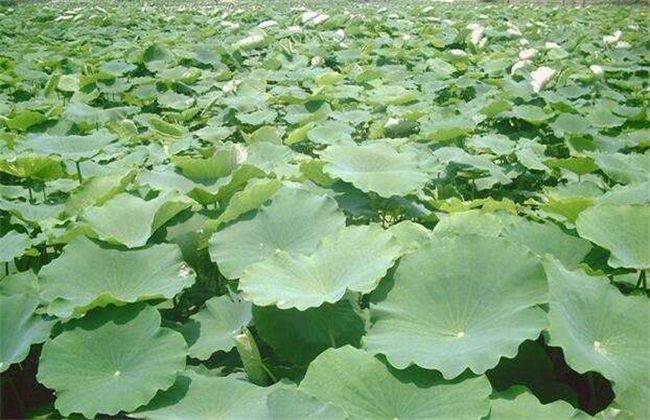
1. Dangers of continuous cropping
The common disease of lotus root is Fusarium wilt. This disease is a soil-borne Fusarium disease, and continuous cropping will worsen the disease and increase the pathogens in the soil. Moreover, some diseased residues will remain in the pond. Even if they do not cause infection, the accumulation of some plant residues in the pond will affect the growth of lotus root. Generally, continuous cropping should not exceed 3 years. It can be done once or twice in succession, but the pond must be cleared, drained and dried, disinfected and washed.
2. Benefits of crop rotation
Generally, lotus root needs crop rotation to reduce disease problems. It is most suitable for rotation with rice, water dropwort, and wild rice stem. Paddy-upland rotation is also possible, but the time required for draining water and drying the field is relatively long, and the long-term silt structure is not suitable for the growth of upland plants. The benefits of crop rotation are making full use of nutrients in different soil layers, improving soil properties, and reducing the occurrence of diseases and weeds. When planted again, yield is guaranteed.
3. Suitable soil
For soil, it should be relatively water-retentive. Sandy soil is not suitable. It should basically be loam, as this kind of soil is also more convenient for digging. The soil must be fertile soil rich in organic matter. The dangers of continuous cropping of lotus root are mainly caused by the deterioration of soil conditions, deposition of harmful substances, and nutrient imbalance. The soil needs to be neutral. Too acidic is not good. The soil should be moderately loose to maintain good growth of the lotus root.
4. Improvement methods
If continuous cropping is to be carried out within three years, some methods can be used to reduce the harm. After planting, irrigate with shallow water to promote sprouting, and gradually increase the water layer later. After leaves emerge, apply 50 jin of urea per mu, apply again after one month, and when the lotus root begins to grow, apply 100 jin of potassium fertilizer. In summer, pay attention to controlling aphids; in late summer, pay attention to controlling bagworms; in the later stage, control brown spot disease, using corresponding pesticides for prevention and control. Adding washing powder makes the effect better.
Lotus root can be continuously cropped for a short period, but attention must also be paid to cleaning and disinfecting the planting field. It is best not to carry out continuous cropping for a long time. The best way to solve the dangers of continuous cropping is crop rotation. However, to solve the problem of short-term continuous cropping, it is necessary to start from management.