What to Do About Continuous Cropping Obstacles in Greenhouse Vegetables? A Detailed Guide to Prevention and Control Methods
Growing vegetables with greenhouse technology now allows for off-season cultivation and can bring greater profits, but many vegetable growers often pursue only short-term high yields and apply large amounts of chemical fertilizers during cultivation, which damages the greenhouse soil structure, reduces soil fertility, and worsens pests and diseases. As a result, continuous cropping obstacles in greenhouses are becoming increasingly prominent. So what should be done about continuous cropping obstacles in greenhouses? Let's take a look together.
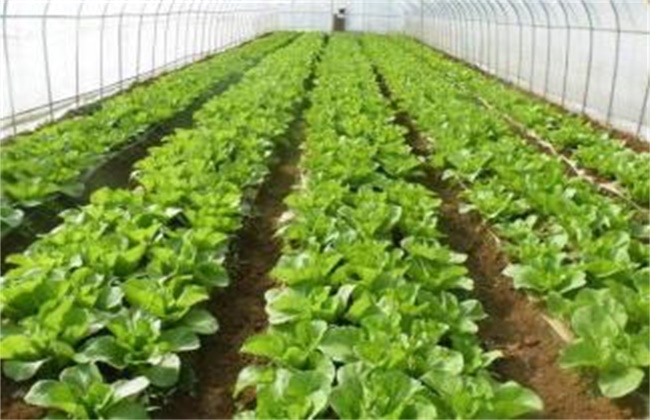
I. Causes of Continuous Cropping Obstacles in Greenhouses
1. Large pest and disease base
Continuous cropping in greenhouses causes the density and severity of pests and diseases such as leaf mold, gray mold, downy mildew, root rot, fusarium wilt and aphids to be far higher than in non-continuous cropping greenhouses.
2. Destruction of soil microbial balance
Long-term continuous cropping in greenhouses will change the soil shape, temperature, humidity and light conditions, inhibiting the growth of beneficial microorganisms while favoring the reproduction of harmful microorganisms. This seriously disrupts the soil microbial balance, not only slowing down fertilizer decomposition but also causing more pests and diseases, becoming more severe year after year.
3. Salinization
Greenhouses are covered with film all year round, which damages the natural water balance. In addition, the temperature inside the greenhouse is relatively low, and the evaporation from soil and plants is high, so salts from deep soil layers rise upward, forming salt accumulation on the soil surface. This is soil salinization.
II. Prevention and Control Measures
1. Apply more organic fertilizer
Applying organic fertilizer can increase the content of soil organic matter and trace elements, improve the soil's granular structure, increase the soil's water and fertilizer retention capacity, and also benefit the reproduction of beneficial microorganisms.
2. Adjust pH
Long-term continuous cropping of greenhouse vegetables increases the salt content in the soil, so the soil pH can be appropriately adjusted to bring it close to the slightly acidic or slightly alkaline environment preferred by most crops.
3. Disinfection
After each crop harvest, first ridge the residues, then sprinkle water, and after the water seeps in, spread disinfectant chemicals, then deep plow and seal the greenhouse to increase yield. This can achieve the effects of sterilization, insect killing and disinfection.
4. Reasonable crop rotation
Not all crops are suitable for rotation. Rotation should be based on the physiological characteristics of different crops themselves, the similarities and differences in their susceptibility to different pests and diseases, and their adaptability to different environments. For example, choose various crops that require more nitrogen, phosphorus and potassium fertilizer for rotation with each other, so that the nitrogen, phosphorus and potassium fertilizer in the soil can be fully absorbed by the crops without waste. Crops with deep root systems and shallow root systems can be chosen for rotation, so that nutrients at all levels of the soil are fully absorbed. Various crops that prefer acidic or alkaline conditions can also be chosen for rotation, so that the soil pH is moderate and a good environment is created for crop growth and development.
The above is an introduction to what should be done about continuous cropping obstacles in greenhouse vegetables. We hope it can help you. To learn more related knowledge, please stay tuned to us.