What Causes Garlic Continuous Cropping Obstacles? Detailed Explanation of Prevention and Control Measures
Continuous cropping of garlic leads to an increase in garlic diseases and pests, causing a decline in the yield and quality of garlic bulbs and garlic scapes, and seriously restricting the development of the garlic industry. Therefore, understanding the causes of garlic continuous cropping obstacles and prevention and control measures is extremely important for the sustainable development of garlic. Let's learn about it together below.
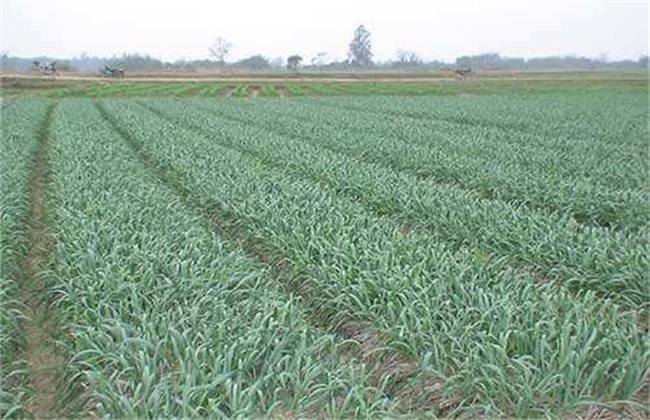
I. Harm of Continuous Cropping
With years of continuous planting, the area affected by garlic diseases has gradually increased. According to surveys on the harm of garlic continuous cropping, disease occurrence is severe in plots where garlic has been continuously cropped for more than 15 years. Garlic continuous cropping obstacles are not a single disease, but a comprehensive manifestation of a series of physiological diseases and infectious diseases. Symptoms generally begin in March, mainly showing leaf chlorosis and yellowing, drying up, and death; as well as poor root development, browning and rotting of the root disc, and in severe cases root death; garlic plants are short and stunted, garlic bulbs are thin and small, and in severe cases bolting cannot occur, generally resulting in a yield reduction of about 30-40%.
II. Causes of Continuous Cropping Obstacles
1. Pathogen and microbial effects
Due to years of continuous cropping, garlic pathogens and microorganisms remain in the soil. After planting, they parasitize garlic and multiply in large numbers, with their numbers increasing year by year. Moreover, under continuous cropping, seedlings have weak resistance and are highly susceptible to infection. For example, root-knot nematodes increase exponentially in the soil year by year, damaging the garlic root system and affecting the normal development of garlic, causing diseases to worsen year by year.
2. Nutrient imbalance
Garlic growth absorbs various nutrient elements from the soil. If organic fertilizer and trace element fertilizer application are even slightly neglected during fertilization, it will lead to an imbalance of nutrients required by garlic, resulting in poor growth and development of garlic, decreased stress resistance, weakened vigor, and the appearance of nutrient deficiency-type physiological diseases.
3. Soil
Excessive application of chemical fertilizers leads to a continuous increase in soil oxygen content, intensifies soil salinization, and soil salt accumulation, which increases soil permeability. Garlic roots have weak absorption capacity, and it can also cause certain antagonism between elements, affecting the absorption of certain elements by garlic, hindering garlic growth. It also affects the survival, reproduction, and activity of beneficial microorganisms, causing beneficial microorganisms to... (Note: the original text says "causes beneficial microorganisms to run rampant" which appears to be a typo; it likely means harmful microorganisms run rampant). In addition, excessive use of chemical fertilizers causes soil compaction, resulting in poor soil permeability and root suffocation.
III. Prevention and Control Measures
1. Crop rotation
Crop rotation is the best method to solve the harm of continuous cropping obstacles. Compared with other vegetables, garlic requires a longer rotation period, generally requiring 3-5 years of rotation, otherwise it is difficult to eliminate continuous cropping obstacles. In addition, it cannot be continuously cropped with other allium vegetables such as Welsh onion, small green onion, onion, and Chinese chives, and allium crops should be avoided during rotation.
2. Fertilization
Increase the application of organic fertilizer, improve soil structure, increase soil organic matter content, maintain good aeration, and promote root growth. The fertilization principle should combine organic, inorganic, and trace element fertilizers, with organic fertilizer as the main component and chemical fertilizer as a supplement; base fertilizer as the main component and topdressing as a supplement; chemical fertilizer should mainly be high-nitrogen and high-potassium.
The above is an introduction to the causes of garlic continuous cropping obstacles and prevention and control measures. We hope it can help you. To learn more related knowledge, please follow us.