-
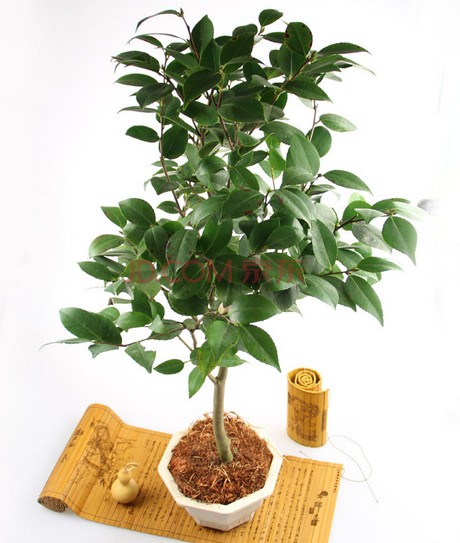
What are the common misconceptions about fertilizing camellia bonsai?
Many people like to grow flowers at home, as it beautifies the room, purifies the air, regulates temperature and cools the heat, and also cultivates character and pleases body and mind. However, to make potted flowers flourish with lush branches and large, brightly colored blooms, besides watering, fertilizing is also an important part of the flower-growing process. When flowers are in their growth period,
-
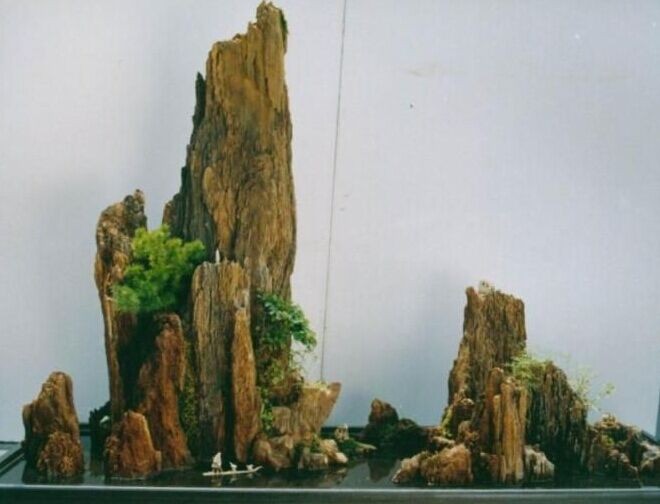
A Detailed Explanation of Methods for Conceiving the Artistic Concept in Landscape Bonsai Creation
Landscape bonsai is a group of scenery displayed by mountains, stones, grass, and trees arranged and combined in a certain way within a pot. This kind of combination follows a certain law of mountain momentum or structural composition. The creator's conception, or the construction of a thought-provoking artistic conception, is precisely a very important part of bonsai creation.
-
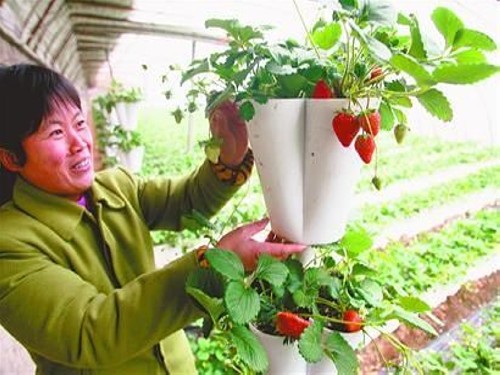
Detailed Explanation of Organic Strawberry Planting Techniques and Concepts in Pots
What Are Organic Strawberries
-
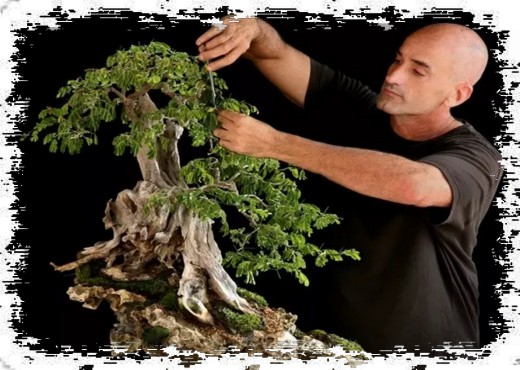
How to create bonsai with a profound artistic conception
Bonsai, like poetry, painting and garden art, originates from nature and from life; they simply take different forms of expression. They interpenetrate and learn from one another. Poetry and painting often draw their subjects from gardens and bonsai, while the creation of gardens and bonsai emphasizes being rich in poetic and pictorial charm. Therefore
-
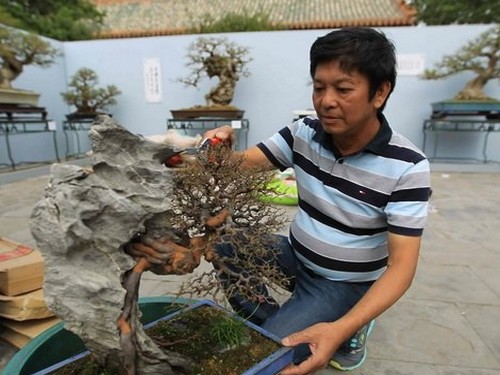
In bonsai creation, establishing the concept comes first and must be carried through from beginning to end.
The so-called establishing the concept means that before creation, after the author obtains the tree stock, or regarding the method of working the rocks and stones, based on their morphological characteristics and the features of the material itself, and combined with the author's own artistic cultivation, a general conception of the work is formed. This thinking process includes the work's outward form, size, use of branch techniques, and the design of the matching pot.
-
These misconceptions about dental implants may have caught you too
Dental implants, because of their good retention, no damage to surrounding teeth, aesthetics, comfort and other advantages, have the reputation of being humanity's "third set of teeth." In recent years, dental implants...
-
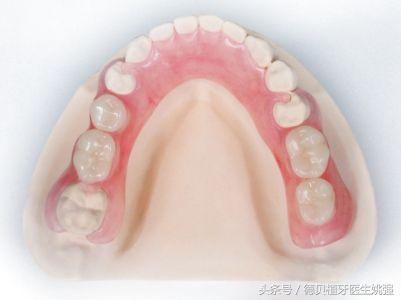
Common misconceptions about immediate dental implants, and how to avoid them correctly
After losing teeth, most middle-aged and elderly people choose removable dentures to save trouble and money, but as they age, conditions in the mouth will inevitably...
-

Analysis of Cotton Production Misconceptions and Ways to Increase Yield Through Plant Protection (Part 5)
For more than a decade, with the widespread promotion of genetically modified insect-resistant cotton, cotton bollworm is no longer enough to make cotton farmers turn pale at the mention of pests. However, Fusarium wilt and Verticillium wilt have always been the "tightening band" giving cotton farmers headaches, aphids and red spider mites "stir up trouble" every year, cotton stink bugs and tobacco whiteflies have become increasingly rampant in recent years, and together with cotton bollworm suddenly breaking out in certain years, pesticide control of cotton is still an unavoidable matter. At the same time, there are also the following two serious problems in pest and disease control, which directly lead to
-
What are the common misconceptions in cotton cultivation?
Misconception 1, sparse planting. Sparse planting saves labor for cotton farmers, but the boll set per plant limits cotton yield. According to surveys, the boll set per plant among cotton farmers today is mostly between 30 and 40. Setting more than 50 bolls is very difficult. According to theoretical data, every 100 cotton bolls produce one jin of seed cotton. If 1000 plants are grown per mu and each plant sets 50 bolls, the seed cotton yield is 500 jin. If 2500 plants are grown and each plant sets 25 bolls, the seed cotton yield per mu is 625 jin. This shows that for high cotton yields, density is the key. Only reasonable density can
-
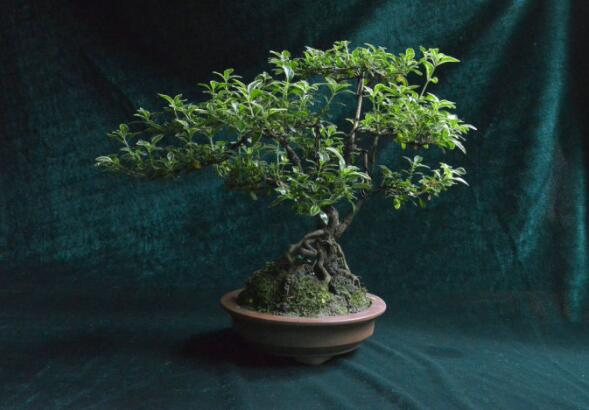
5 techniques for root-exposure on potted Serissa japonosa, get the concept right for greater ornamental appeal
Serissa japonosa, also known as "stars in the sky", though small in size, has well-spaced branches and leaves, making it an excellent target for bonsai, and especially the most suitable species for root-exposure styles. What is root exposure? It means exposing the plant's roots to increase the ornamental effect. So how do you expose the roots of a potted Serissa japonosa? Below are 5 techniques summarized by the editor, very simple
条件筛选