Common misconceptions about immediate dental implants, and how to avoid them correctly
After losing teeth, most middle-aged and elderly people choose removable dentures to save trouble and money, but as they age, conditions in the mouth will inevitably change, so the dentures also need to be adjusted accordingly. In addition, due to various reasons such as the technology and quality of denture making, removable dentures need to be replaced about every five years, which brings considerable trouble to the elderly; after all, wearing new dentures requires going through a rather long adaptation process all over again.
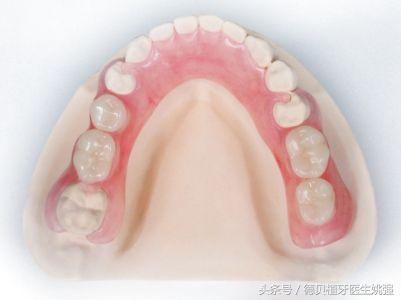
Therefore, the first choice recognized by the dental medical communityfor repairing missing teeth is dental implants. However, many people are still not very familiar with this implant technology, and there are many misconceptions.

Misconception 1: Dental implants take a long time and are very troublesome
Traditional dental implants require waiting 3-6 months after tooth extraction before implantation can be carried out. During this process, the alveolar bone will inevitably be absorbed and lost, which has a huge impact on later restoration; in addition, traditional techniques require cutting, suturing and stitch removal during implantation, causing great trauma and a long healing period.
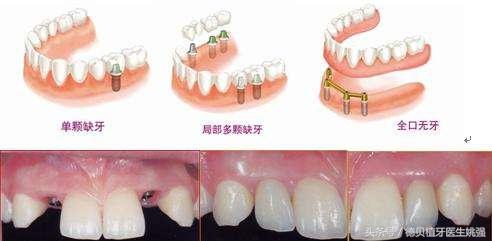
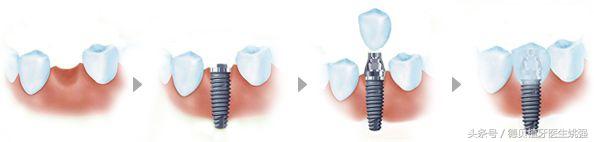
Immediate implant technology refers to implanting the implant at the same time after painless tooth extraction, that is, immediately placing the implant into the fresh extraction socket. The implant is made of a material with excellent biocompatibility (pure titanium), surgically implanted into the alveolar bone, and obtains firm retention support from the bone tissue, connecting to and supporting the upper crown restoration through special devices and methods. Because painless tooth extraction, bone grafting and implant placement are completed at the same time, immediate implants condense the 3-6 months of implantation and waiting for healing required by ordinary implants into 1 hour. So it is not troublesome.
Misconception 2: Immediate implants can be done at any clinic
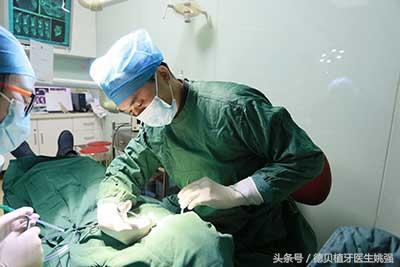
Immediate implants involve immediately placing an artificial tooth root into the jawbone at the missing tooth site after extraction, and attaching a realistic crown to the tooth root, so that the implanted artificial tooth is both firm and attractive, as well as sturdy and durable. But for this kind of high-tech procedure, not every dental hospital or dental clinic can do it. Therefore, whether you are going for a consultation or treatment, you must first be responsible for yourself. In a qualified implant institution, the doctor must have completed full dental implant technical training, and is not a traditional dental doctor. This is the point most easily confused by consumers.
Misconception 3: The more expensive the immediate implant material, the better
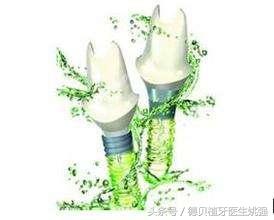
The choice of dental implant materials requires careful consideration. Once an implant that does not suit you is chosen, various adverse complications may occur. Therefore, dental implants should be chosen to suit you. When choosing implant materials, you must not assume that expensive means good; instead, choose what suits you. In a professional dental institution, every implant expert will recommend the most suitable implant plan according to the actual situation of the person missing teeth.
Misconception 4: "Planting" a tooth requires drilling a "hole" in the jawbone, and is a terrifying major surgery
"Planting" a tooth is actually a minor minimally invasive surgery, and it has now developed to the point where minimally invasive procedures are possible, with little bleeding after surgery, no swelling or pain, and all missing teeth can be "planted" in one go. The pain and trauma are even less than tooth extraction.
To learn more information, you can follow debeizhiya