6 Common Mistakes in Homemade Compost: Learn Organic Fertilizer Making Tips
Below I will introduce the things to watch out for when making compost at home. If you toss some fruit peels and vegetable leaves directly outdoors, they will eventually decompose and slowly turn into natural fertilizer. Below I will introduce the mistakes that easily occur in homemade compost, and once you learn them you can make your own compost your own way.
Making your own fairly nutrient-rich compost and using it to replenish nutrients for plants can reduce pests and diseases and promote more vigorous plant growth, flowering and fruiting. It is even better than buying fertilizer directly from a flower shop. Below I will introduce the common mistakes in composting.
1. Not covering the compost materials
If your compost materials are not covered with a lid, they will be very difficult to decompose and ferment, and it will have a huge impact on your daily life.
There are three major reasons to cover the compost materials. If covered, it will not stink, it can also keep all kinds of small insects from getting in, and another point is to ensure the compost materials decompose and ferment better.
When setting up the compost, you can add a layer of small branches or straw at the bottom. This keeps good air permeability and drainage, and can also prevent the compost materials from stinking.
2. The compost materials are not rich enough
If your compost only contains dry grass or fallen leaves, the nutrients will definitely not be balanced enough. If your compost only contains the same things, you will never be able to make perfect compost.
You can add dry grass, fallen leaves, fruit peels, vegetable leaves, fruit shells, eggshells, coffee grounds and other materials to what you consider the materials. After these waste materials are mixed, you can get very nutrient-rich compost.
Do not put random things into the compost materials either, such as the common glass, metal, foam plastic and so on. Do not add anything containing chemical substances.
Of course, do not add all kinds of meat products or dairy products either, otherwise it will easily stink and also attract insects, because the compost materials you make yourself in a compost bin do not reach a high enough temperature to kill the insects in these materials.
3. The compost materials are not chopped finely enough
Many people directly throw vegetable leaves and fruit peels into the compost bin, but in this way the decomposition speed will be very slow. If you want to speed up the decomposition and fermentation of the compost materials, you should cut them as finely as possible and then mix them into the compost.
Cutting the compost materials as finely as possible can also increase ventilation and air permeability, raise the temperature of decomposition and fermentation, and speed up the decomposition of the materials.
4. Not enough leaves
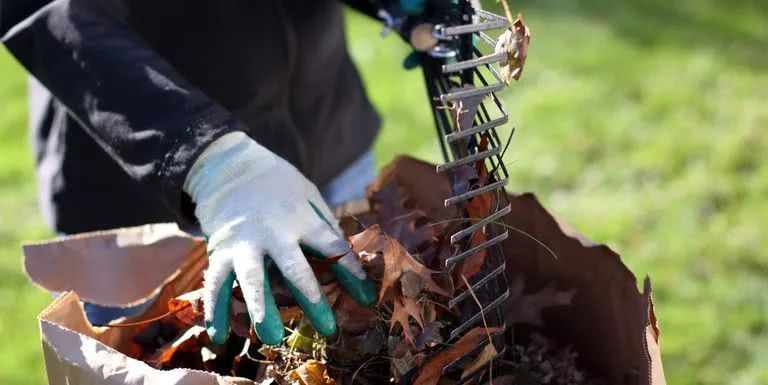
Autumn is the most suitable time for composting, because there are enough fallen leaves during this period. You can collect them and put them into a trash can, and you can collect your usual vegetable leaves and fruit peels.
5. Adding too much grass
Adding too much grass to the compost materials will make the compost poorly ventilated and airless, and it will also easily accumulate water. Moreover, grass has a very high nitrogen content and easily stinks.
If you want the nutrient elements in the compost materials to be richer, you also need to appropriately add fallen leaves, fruit peels, eggshells and so on to the compost materials.
6. Keep it moist
During the composting process, you should regularly add water to keep the compost materials moist, and the temperature of the compost materials will then decrease; otherwise the weed seeds inside will easily germinate.
You should also regularly stir it, which is good for the decomposition and fermentation of the compost materials. Of course, you should also avoid water accumulating in the compost, and you must not let the compost materials stay dry for a long time.