4 eco-friendly ways to improve your kitchen environment; growing vegetables and composting are both great ideas
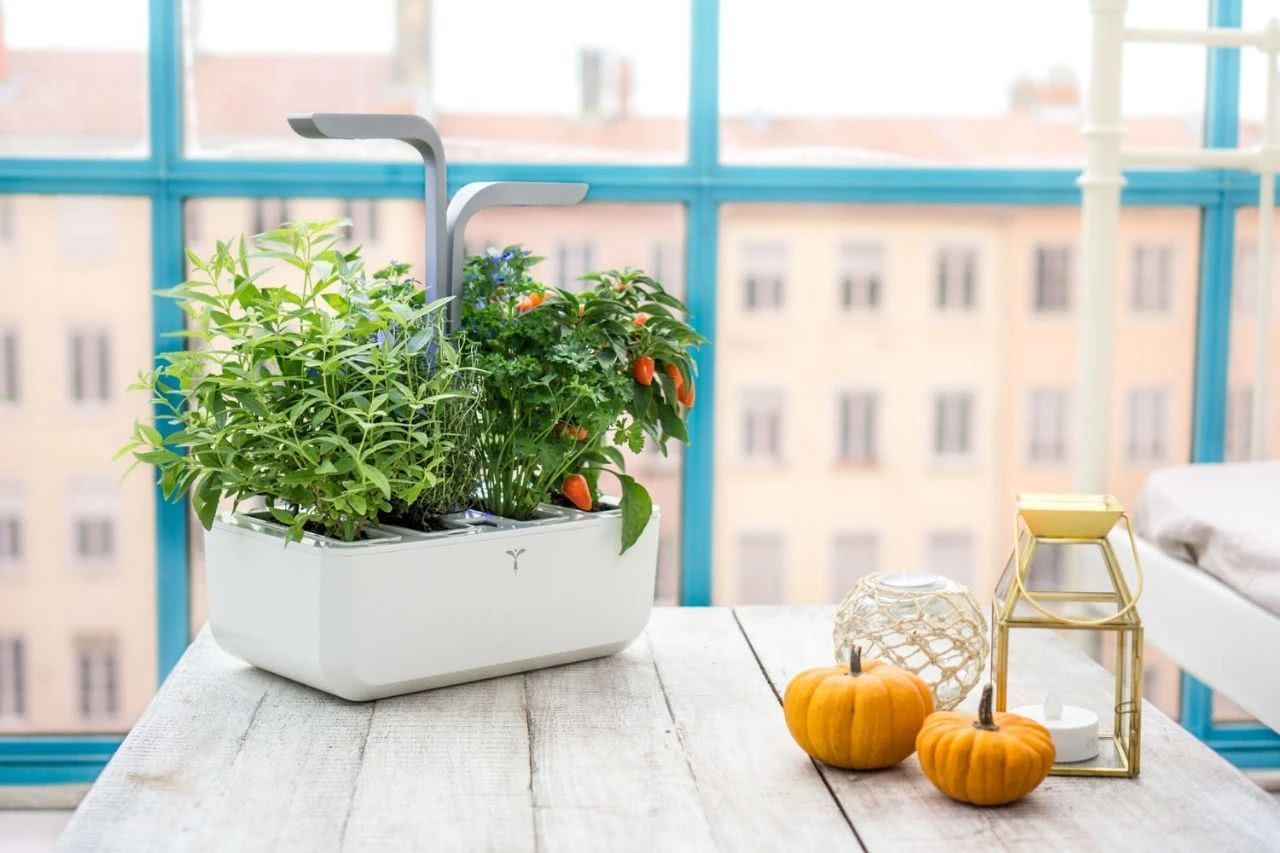
If you want to make your kitchen space cleaner and simpler, you should not only regularly clean all kinds of appliances and promptly wash cookware and all the various utensils in the kitchen, but also make sure there is never standing water in the kitchen for long periods. If you find any leaking, deal with it promptly. You can also plant some green plants around the kitchen, which will look more eco-friendly and healthy.
1. Grow a kitchen vegetable garden
If your kitchen has very good ventilation and light, and the windowsill gets plenty of sunlight every day, then you can arrange it appropriately. You can put up some shelves, or hang some hanging pots on the windowsill, and grow a small vegetable garden.
It is best to also use some fragrant herb plants, such as the common mint, basil, thyme, rosemary and sage. They are all very easy-to-grow herb plants and are very suitable for growing as potted plants on a windowsill.
2. Kitchen green plants
You can grow a great many kitchen potted plants inside the kitchen. Of course, not all plants are suitable for growing in the kitchen. Common toxic plants must never be grown in the kitchen, such as the common dumb cane (Dieffenbachia), elephant's ear (Alocasia), sensitive plant (Mimosa), croton (Codiaeum variegatum) and crown of thorns (Euphorbia milii).
In the kitchen, it is suitable to grow some plants with an air-purifying effect, preferably ones that can absorb odors, such as the common English ivy, peace lily, aloe, lemon balm, lemongrass, mint and basil.
You can also grow some ferns. They can adapt very well to the warm and humid environment of the kitchen and can maintain relatively high air humidity. You can often spray water around them.
3. Save water
The clean water left after washing vegetables in the kitchen is usually poured straight down the drain. In fact, you can collect this clean water and use it to water flowers.
Keeping some potted plants in the kitchen is a great way to save this kitchen vegetable-washing water.
4. Compost fruit peels and vegetable leaves
The leftover vegetable leaves, fruit peels, coffee grounds, tea leaves, nut shells, eggshells and so on from the kitchen are all excellent composting materials. You can collect them to make compost.
The method is also very simple. You need to prepare a relatively large plastic bucket or plastic bag, preferably black, so that it has a good heat-absorbing effect.
The collected fruit peels and vegetable leaves must be chopped as finely as possible. After washing the eggshells, dry them in the sun, crush them into powder and then mix them into the compost. This can speed up the decomposition and fermentation of the composting materials.
During the composting process, you need to mix in an appropriate amount of clean water to keep it moist. At the bottom of the container, you should add a layer of soil and put down a layer of small twigs to avoid standing water at the bottom. The top must be sealed to avoid giving off odors or affecting the composting effect. After 3~6 months, these kitchen scraps will turn into excellent organic compost.