-
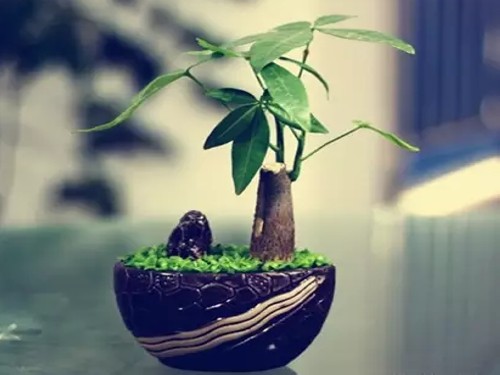
How to Fertilize Small Bonsai? A Complete Guide to Methods and Techniques
Potted plants are grown in containers where space and soil are limited, and natural nutrients are limited as well. For the normal growth of potted plants, supplementing nutrients is absolutely necessary, so fertilizing is also a very important part of daily bonsai care. The commonly mentioned three essential nutrients in fertilizer refer to three components: nitrogen, phosphorus, and potassium.
-
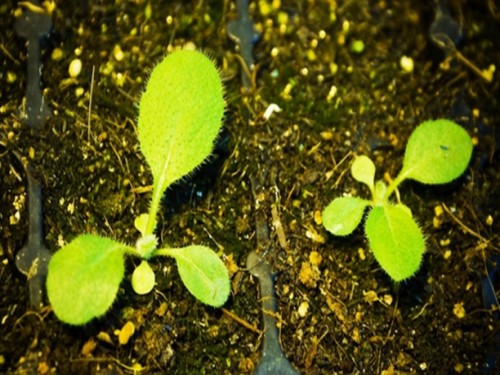
Complete Guide to Sowing Black-eyed Susan Seeds
Black-eyed Susan is a perennial herb of the genus Rudbeckia in the Asteraceae family. The plant height is 60-100 cm, and the flowering period is from June to October. The ray florets are yellow, sometimes with brownish-yellow bands, and the disc florets are dark brown. The stems are relatively stout, covered with soft hairs, slightly branched, and winged. The alternate leaves are rough, oblong to narrowly lanceolate.
-
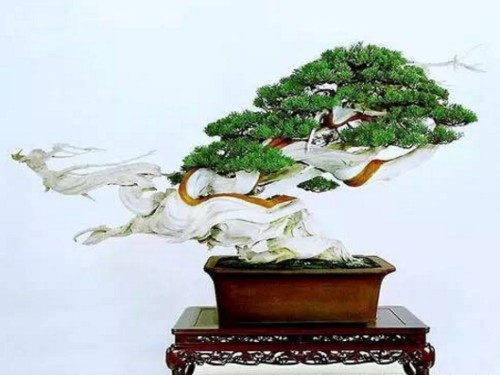
How to Grow a Cypress Bonsai Well? A Complete Guide to Practical Care Tips
Cypress, an evergreen tree, has long been used as a potted plant for indoor and courtyard ornamental display. Its unique leaf structure, in which leaves alternate in shedding and regrowth in a way that is hard to notice, gives it a sense of lasting evergreen vitality. Take the Chinese juniper (Juniperus chinensis), for example: its branches are dense and its leaves fine, its trunk form is twisted and curved, and its small branches rise upward to form dense clumps, giving it an elegantly antique and unusual posture.
-
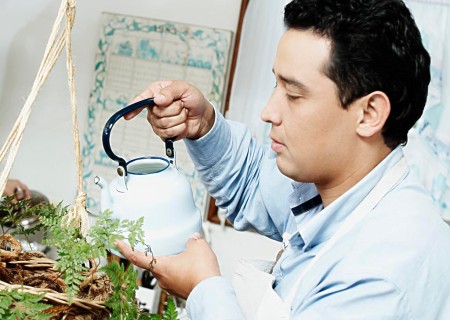
How to Water Bonsai? A Complete Guide to the Correct Methods and Techniques
The most complicated step in caring for bonsai is watering it properly. How often a tree needs water depends on several factors, such as tree species, tree size, pot size, season, soil composition and climate. Therefore, it is basically impossible to state the correct frequency. However, after understanding the following basic guidelines
-
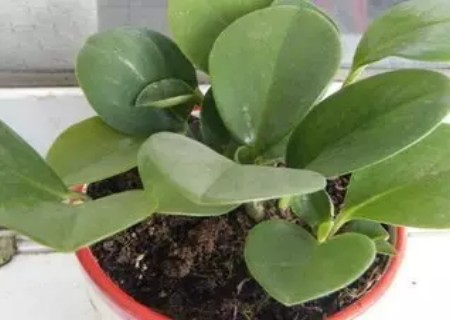
A complete illustrated guide to propagating rubber plant (Ficus elastica) from leaf cuttings, teaching you step by step
The rubber plant (Ficus elastica) is an excellent foliage plant. It not only traps dust and purifies the air, but also has high ornamental value, making it suitable for growing as an indoor potted plant. What's more, propagating this plant is very easy
-
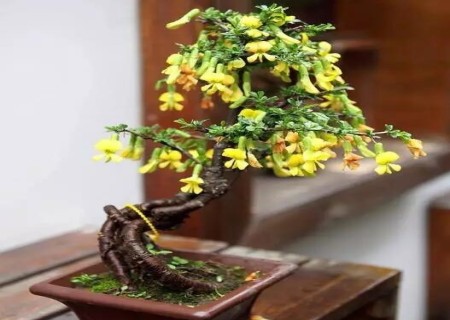
How to Expose the Roots of a Broom (Genista) Bonsai for Styling? A Complete Guide to the Methods
Broom (Genista) is famous for its flowers that bloom in the shape of a bird soaring on outstretched wings, and its bright, striking colors bring vibrant life to any setting. The roots of broom are even more gnarled and powerfully rugged, and they are highly flexible, making them easy to twist into shape, which makes it an excellent species for creating bonsai. So a broom bonsai is not only enjoyed for its flowers
-
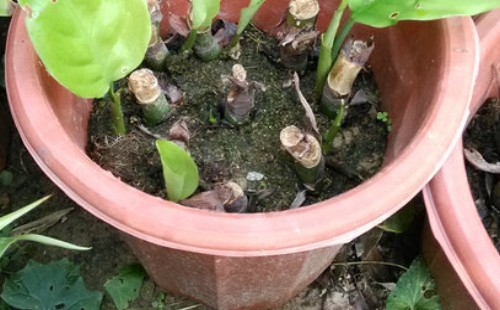
Complete Guide to the Timing and Methods of Propagating Chinese Evergreen by Cuttings
Chinese evergreen can be propagated into young plants not only by sowing seeds and division, but also by means of cuttings. By comparison, propagating Chinese evergreen by cuttings is simpler and less troublesome than sowing seeds, yet it is not as cruel as division, which easily causes wounds. Therefore
-
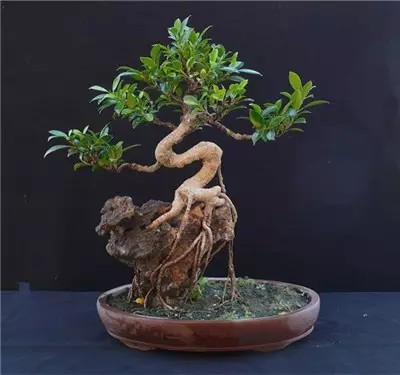
A Master-Level Complete Guide to the Art of Root-on-Rock Penjing Styling
Root-on-rock penjing is a style of penjing art in which rock is the main element, trees grow clinging to the rock, and rock and tree form a single integrated whole. The trees are planted among the rocks, their roots reaching into the crevices to grow, their branches and trunks twisting into the stone hollows or sprouting in clusters on the rock, or hanging down below the stone, or leaning sideways against it, so that the fantastic rock and the ancient tree set each other off beautifully.
-
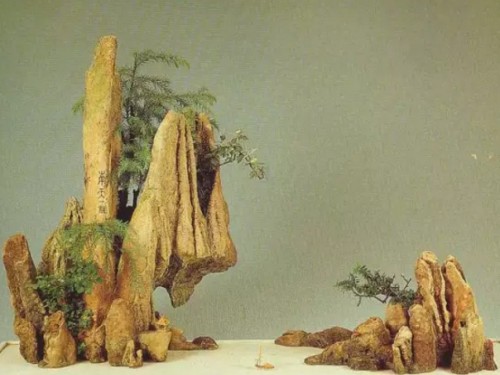
A Complete Guide to the Techniques of Making Water-absorbing Stone Bonsai
What is water-absorbing stone? Water-absorbing stone is also called absorbent stone (a natural air purifier). It gets this name because once water is stored in the basin, it can be drawn up to the top in an instant. Wild grasses and mosses can be planted on the stone, lush and verdant, making it an excellent material for bonsai. Probably only gardening experts know what water-absorbing stone is.
-

A Complete Guide to Root-Raising Methods and Techniques for Stump Bonsai
To enhance the artistic value and appreciation appeal of stump bonsai, the roots are generally given root-raising treatment, so that a portion of the powerfully and steadily shaped roots at the base is exposed on the surface of the pot, giving people an aesthetic mood of ancient ruggedness and majestic wonder. Root-raising methods usually include the deep-pot high-planting mounding method and the deep-pot flat-planting water-washing method
条件筛选