-

The Complete Guide to Edible Mushroom Cultivation Techniques: A Full Explanation of the Growing Methods
The Complete Guide to Edible Mushroom Cultivation Techniques
-
A Complete Guide to Autumn Mushroom Sowing Techniques
Autumn Is the Season for Mushroom Sowing Techniques
-
-
Complete Guide to Drying Methods and Pest and Disease Control for Edible Mushrooms
Guide to Edible Mushroom Drying Methods
-
Ten Methods for Preserving Edible Fungi and a Complete Guide to What You Need to Know About Introducing Them
Ten Methods for Preserving Edible Fungi
-
A Complete Guide to New Summer Cultivation Methods for Straw Mushrooms
Straw mushrooms are the only high-temperature, fast-growing variety among edible fungi. The cultivation substrate is mainly rice straw and wheat straw. They are delicious and nutritious. The summer cultivation techniques are introduced as follows: Preparation of mushroom beds. The mushroom beds are set up inside a plastic greenhouse, and the greenhouse is covered with plastic film and straw mats to retain warmth and moisture. The mushroom beds are 1 m wide, with unlimited length, and the spacing between beds is 30 cm, which can serve both as walkways and as water storage ditches. On the beds, sunken mushroom troughs are dug crosswise. The troughs are 30 cm wide and 20 cm deep, with a 20 cm small soil ridge left between troughs. Within the troughs, spray 0.2
-
A Complete Guide to New High-Quality Cultivation Techniques for the Oyster Mushroom
The oyster mushroom, also known as the small oyster mushroom, has a crisp, tender texture, a delicious flavor and rich nutrition. It is a type of oyster mushroom harvested when the cap diameter of the fruiting body is less than 3 cm; because the mushroom body is small, fresh and tender, and tasty, it sells extremely well on the market. Over the 2 years since our center introduced it, we have refined and summarized its biological characteristics and cultivation techniques. The new high-quality cultivation techniques for the oyster mushroom are summarized below. 1 Cultivation season The oyster mushroom is a low-temperature type of fungus; its fruiting temperature range is 5-22°C, with the optimum fruiting temperature range being 13-18°C. In this region it is suitable to fruit in September-
-
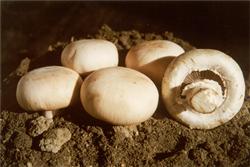
What is Agaricus bisporus green mold? A complete guide to this disease
What is Agaricus bisporus green mold? An introduction. Agaricus bisporus green mold, commonly known as green mold, is one of the main and most common contaminant fungi in mushroom production. Trichoderma can infect mushrooms at every stage of production. Trichoderma has a strong ability to decompose cellulose and can produce toxins that inhibit the formation and growth of mycelium and fruiting bodies...
-
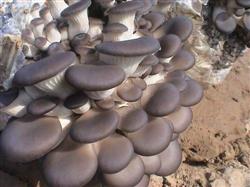
Complete Guide to Oyster Mushroom Varieties and Cultivation Techniques
What oyster mushroom varieties are there? What cultivation techniques are involved? Please provide an introduction. Oyster mushroom is also known as freeze mushroom, abalone mushroom, white shiitake, phoenix-tail mushroom, and delicious northern wind mushroom. It belongs to the class Basidiomycetes, order Agaricales, family Pleurotaceae, genus Pleurotus (mushroom). Oyster mushroom is tender and plump in texture, delicious in taste, and rich in nutrients. It is a health food with high protein and low fat....
-
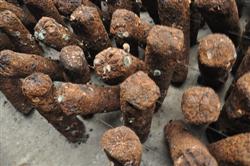
What Is Green Mold Disease in Shiitake Mushrooms? A Complete Guide
What is green mold disease in shiitake mushrooms? An introduction. Green mold is the most common and most damaging competitive contaminant fungus in shiitake mushroom production. If management methods are improper and prevention and control are not timely, it can cause major losses to shiitake mushroom production. 1. Symptoms and conditions of green mold outbreak. In the early stage of green mold outbreak, the mycelium appears as white patches, then...
条件筛选