-
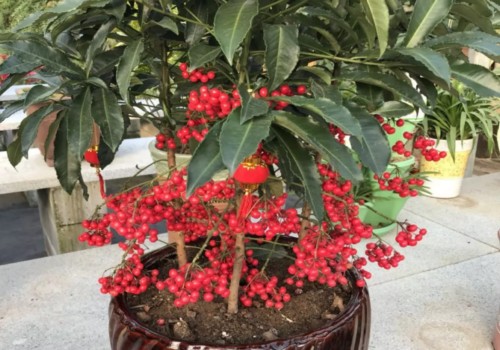
How to prune the Golden Ten Thousand Tael flower? A complete guide to growing methods and disease prevention
As a Chinese New Year flower, Golden Ten Thousand Tael carries the beautiful meaning of good fortune and prosperity, and can bring a great sense of festivity to the holidays. Of course, besides being suitable for display during the Spring Festival, it is also widely used on many occasions such as weddings, business openings, and housewarmings. And even if it is
-
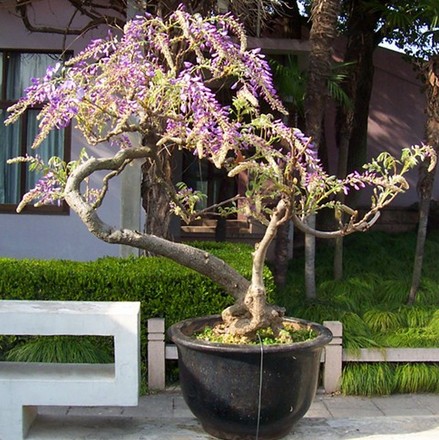
A Complete Guide to Growing Wisteria Bonsai
Wisteria is a perennial woody climbing plant in the genus Wisteria of the Fabaceae family. The flowers are purple, blooming from April to June, forming drooping racemes, with flat, elongated pod fruits, giving it strong ornamental value. Wisteria prefers warm, humid conditions and sunlight; it is shade-tolerant and drought-tolerant, and favors loose, fertile, well-drained sunny sites, and is averse to strong winds.
-
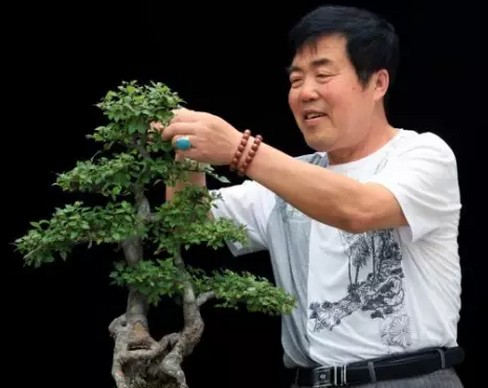
A Complete Guide to Bonsai Pruning Techniques and Methods
A tree-stump bonsai that has already been shaped by wire training or that has naturally good form will often grow many new branches. To maintain its perfect posture, the bonsai must be pruned regularly; otherwise it will gradually lose its layers, become out of proportion, and its tree form will become disordered. 1. Promptly prune away useless branches
-
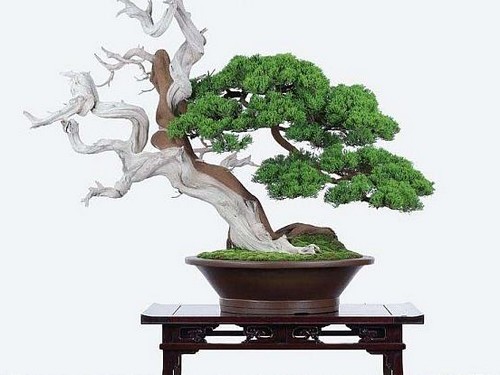
A Complete Guide to the Styling Methods and Techniques of Chinese Swamp Cypress Bonsai
The Chinese swamp cypress (Glyptostrobus pensilis) is hailed as a "living plant fossil." It is a deciduous or semi-deciduous tree of the genus Glyptostrobus in the family Taxodiaceae; the genus contains only this 1 species. It is a relict plant of the world and a tree species endemic to China. It first appeared in the Mesozoic Era more than 100 million years ago, in the same era as the dinosaurs. According to botanists, in coastal areas such as Fujian, being able to find even a few or even a single Chinese swamp cypress is already extremely rare.
-

How to Water a Dawn Redwood Bonsai? A Complete Guide to Methods and Precautions
Dawn redwood (Metasequoia glyptostroboides) is a "living fossil" tree species and a tree grown for its autumn foliage. It can be made into a dawn redwood bonsai for ornamental display, and can also be used for greening along embankments, lakesides, pond edges, courtyards and other areas. During its care, watering technique is crucial. Below is an introduction to the watering methods and precautions for dawn redwood bonsai: 1. Newly planted dawn redwood bonsai
-
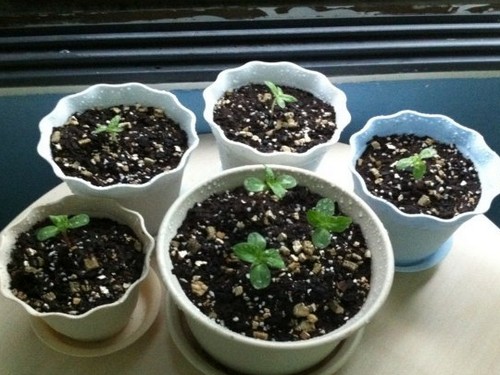
A Complete Guide to Planting Sunflower Seeds
How do you grow sunflowers? Growing sunflowers well is actually very simple - you don't need a very large pot, you don't need much soil, and you don't even need much care. Give it a try too! Step one: choosing seeds. Choosing seeds is very important. Sunflowers come in different varieties, including edible types, the kind that produce sunflower seeds, which are said to be able to grow up to 3 m tall, and of course
-
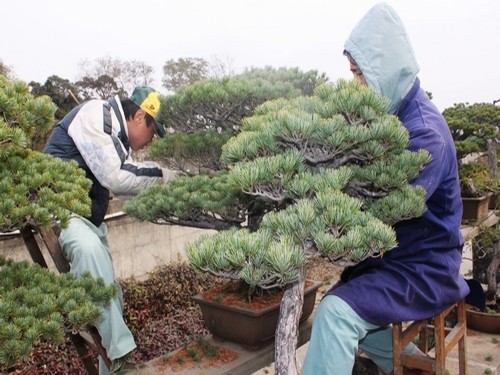
A Complete Guide to Pruning Methods and Techniques for Five-Needle Pine Bonsai
The styling techniques for five-needle pine bonsai share common ground with those for other tree bonsai, yet they also have their own particular characteristics. They should feature naturally adopted forms and well-judged choices of what to keep and what to remove; pruning and branch training should achieve a balanced layout, with an elegant and classical, understated tone. The artist's creative range must be broad: first comes artistic conception, then working out the draft in mind, and determining the theme
-
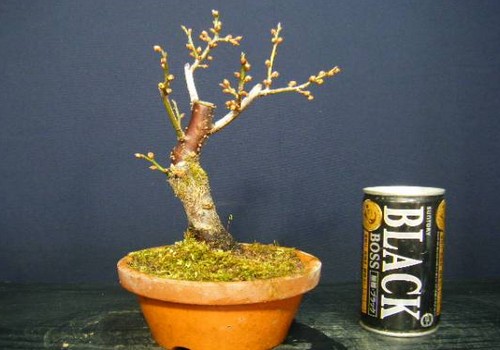
A Complete Guide to Shaping Lantana Bonsai
Lantana used for making bonsai can be propagated by cuttings, generally carried out during the growing season. Cut healthy one-year-old branches, each segment with two nodes, insert them in sandy soil or vermiculite, and keep them under a shade shed. Keep the soil and air moist; roots form in about 40 to 50 days, and the seedlings can then be separated and potted up.
-
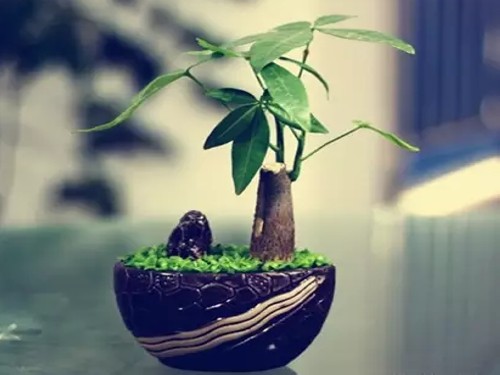
How to Fertilize Small Bonsai? A Complete Guide to Methods and Techniques
Potted plants are grown in containers where space and soil are limited, and natural nutrients are limited as well. For the normal growth of potted plants, supplementing nutrients is absolutely necessary, so fertilizing is also a very important part of daily bonsai care. The commonly mentioned three essential nutrients in fertilizer refer to three components: nitrogen, phosphorus, and potassium.
-
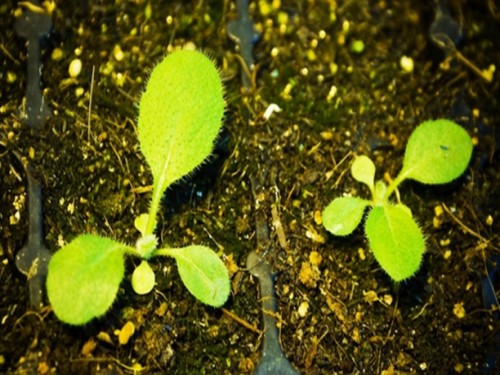
Complete Guide to Sowing Black-eyed Susan Seeds
Black-eyed Susan is a perennial herb of the genus Rudbeckia in the Asteraceae family. The plant height is 60-100 cm, and the flowering period is from June to October. The ray florets are yellow, sometimes with brownish-yellow bands, and the disc florets are dark brown. The stems are relatively stout, covered with soft hairs, slightly branched, and winged. The alternate leaves are rough, oblong to narrowly lanceolate.
条件筛选