A complete illustrated guide to propagating rubber plant (Ficus elastica) from leaf cuttings, teaching you step by step
The rubber plant (Ficus elastica) is an excellent foliage plant. It not only traps dust and purifies the air, but also has high ornamental value, making it suitable for growing as an indoor potted plant. What's more, propagating this plant is very easy - even a single small leaf can successfully grow into a robust, highly ornamental mature tree. So how do you propagate a rubber plant from leaf cuttings?
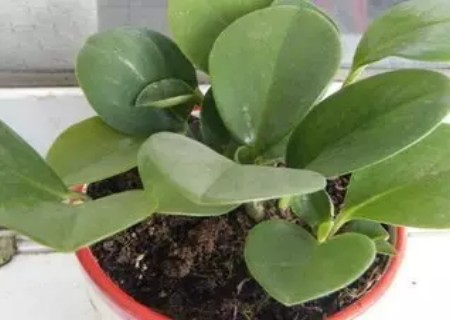
The leaf-cutting method for rubber plants is very simple. Below, the editor shares an illustrated guide to the rubber plant leaf-cutting process:
1. Choosing the leaf
Although the petiole of a rubber plant can grow adventitious roots, it does not necessarily sprout adventitious buds, and a leaf without adventitious buds cannot grow into a new individual plant. When choosing a leaf for cuttings, be sure to pick one that has a small young bud on the petiole. Although such leaves are few in number and hard to find, they are still better than leaves that cannot grow into a new plant!
2. Preparing the leaf
After choosing the leaf, we need to trim the selected leaf appropriately. This is because a leaf that is too large easily consumes too many nutrients and too much water, which affects rooting. So before using the leaf for cuttings, we recommend cutting the leaf in half from top to bottom, then placing it in a cool place. Once the wound has dried, you can proceed with leaf cutting.
3. The leaf-cutting process
First, prepare a loose, breathable cutting bed with good drainage; sandy soil is recommended. If you want to shorten the time it takes for the leaf cutting to root, you can buy a special product on the market, and rooting can be achieved in as little as 1 hour. Next, simply insert the base of the leaf into the soft sandy soil.
4. Leaf rooting
As long as the various conditions are met, rubber plant leaf cuttings are highly efficient. This is because both the branches and leaves of the rubber plant root very easily. Of course, different varieties differ somewhat in rooting speed and time, but the difference is not great.
Before long, we can select some robustly growing leaves with young buds from the cutting bed and transplant them into pots, and they can grow into plants on their own.