-
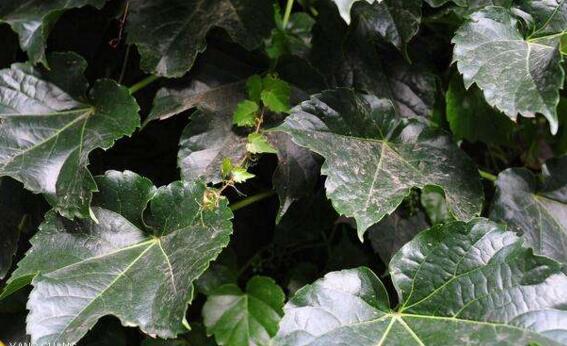
How Does Boston Ivy Reproduce? A Complete Guide to Cuttings, Sowing, and Layering
Gardeners who have grown Boston ivy know that its planting method is very simple, but one aspect is easily overlooked and not well understood by some gardeners, and that is propagation. When we want to grow a few more pots, how does Boston ivy reproduce? Below, let us learn together about the complete guide to Boston ivy propagation methods.
-
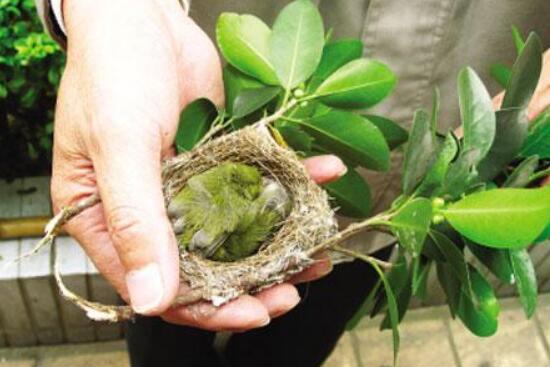
How to Propagate a Banyan Tree? A Complete Guide to Cuttings, Layering, Grafting, and Seed Sowing
The banyan tree, a plant of diverse forms and incomparable beauty, has an unusually developed root system that often emerges above the soil, while its upper half is lush with branches and leaves, making it deeply loved by plant enthusiasts. In daily life, many plant lovers want to grow banyan trees, but rather than buying one to grow, it is better to plant one yourself. So how do you propagate a banyan tree?
-
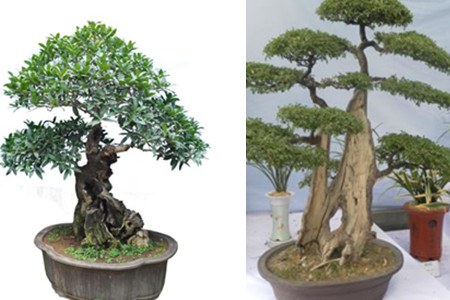
Are sago palm bonsai beautiful? A complete guide to growing and care
Chinese flowering bonsai sago palms are usually kept as bonsai in offices or homes, but in their natural state Chinese flowering bonsai sago palms generally grow with a single head; they are more famous for their flowering, known as "the sago palm blooming."
-
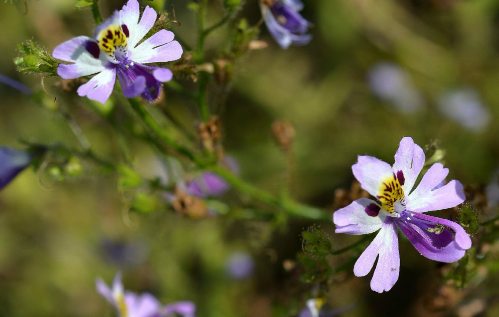
How to Propagate Schizanthus? A Complete Guide to Propagation Essentials
Sowing Time Schizanthus is best sown in autumn, generally from August to October each year. Sown at this time, the plants will have a higher survival rate and grow more vigorously! Sowing Soil Schizanthus has certain requirements for soil when sowing.
-

-
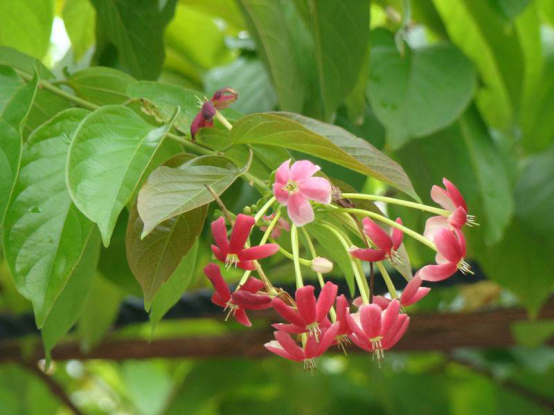
A Complete Guide to Planting and Caring for Rangoon Creeper
1. Light and temperature: The suitable growing environment for Rangoon creeper is warm and humid; it tolerates some cold, loves light and tolerates partial shade, and ample sunlight further helps the plant grow. Rangoon creeper grows better when fully exposed to sufficient sunlight, and for abundant blooming it needs full sun every day or at least 4 hours of direct light.
-
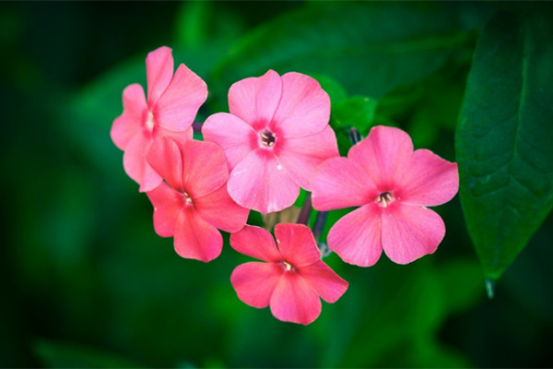
How to Grow Dipladenia? A Complete Guide to Growing Methods and Precautions
1. Flowering period The flowering period of dipladenia is mainly summer and autumn; with proper care, it can also bloom in other seasons. 2. Light Dipladenia prefers a warm, humid and sunny environment, and can also be placed in a slightly shaded spot, but insufficient light reduces flowering. The optimum growing temperature is 20-30°C
-
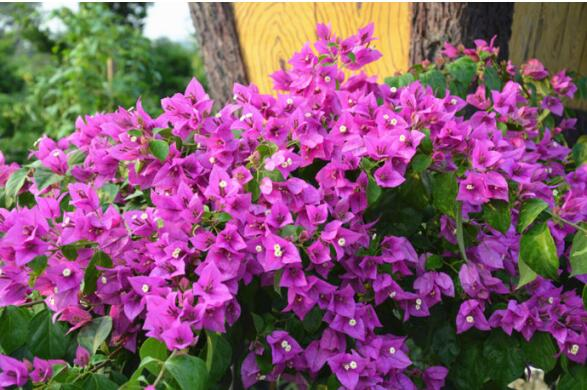
What to Do When Coral Vine Leaves Turn Yellow? A Complete Guide to Practical Solutions
Moderate watering: Under normal growth conditions, it should be watered frequently to keep the soil moist. During the dormant period of coral vine, the frequency and amount of watering should be reduced, and water can be sprayed on the leaves to care for it. Adequate light: Place coral vine in a cool, ventilated spot, or on a south-facing side that gets sun and can be properly shaded.
-
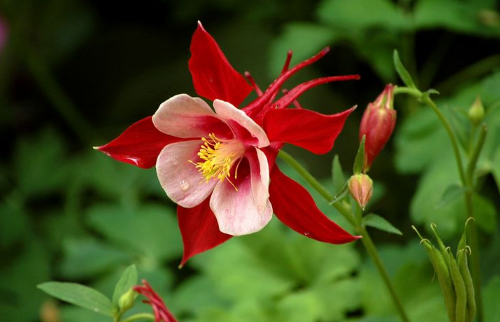
How to Grow Columbine? A Complete Guide to Care Methods
Pot and Soil Selection For potted columbine, choose a slightly larger flower pot and fill it with soil. You can use sandy soil with good drainage or leaf mold rich in humus. A little base fertilizer should be added to the soil. Light and Temperature Columbine prefers a cool growing environment and is very cold-hardy
-
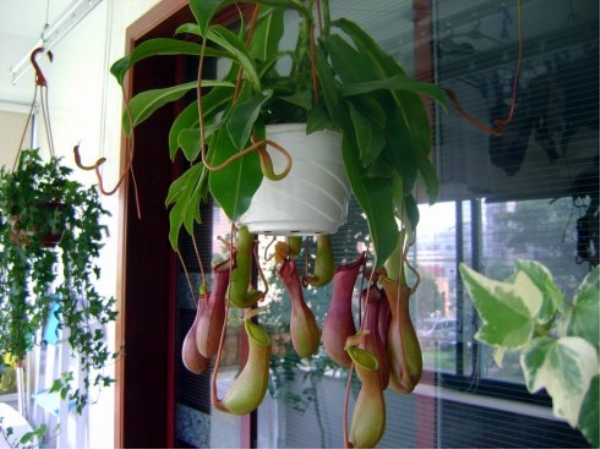
How to Grow Pitcher Plants? A Complete Guide to Detailed Cultivation Methods
Temperature: Pitcher plants are tropical plants that love high temperatures and cannot tolerate cold. The suitable temperature for their growth is 20 to 30 degrees. Pitcher plants are extremely intolerant of cold; if the temperature is too low, they will stop growing. Therefore, in winter, to prevent pitcher plants from freezing, protective measures must be taken to ensure the indoor temperature does not drop below 10°C
条件筛选