-

Complete Guide to Chicken Lice Control: Learn to Easily Get Rid of Chicken Lice
Chicken lice are common external parasites of chickens, mainly living on the feathers and skin, about the size of a sesame seed. Chicken lice spread mainly through direct contact, and can also spread indirectly through shared equipment. Clinical symptoms: because the chickens are irritated by the biting and gnawing of the lice, their skin itches, they peck at themselves restlessly, feathers break off, the skin is damaged, and over time they cannot rest well and lose their appetite, resulting in anemia and weight loss. In severe cases, young chickens may die, growing chickens have their development stunted, and laying hens show a drop in egg production. The chickens' resistance to disease
-
How Is Asparagus Tea Made? A Complete Guide to the Production Process
1. Process flow: raw material picking - spreading to air-dry - drum fixation - air cooling - second hot-air fixation - rolling - spreading the batch and cooling - hot-air drying - finished product - packaging. 2. Key operating points: 1. Raw material picking: length 3-3.5 cm, and the cut lengths must be highly uniform. 2. Spreading to air-dry: gather the picked raw material and spread it out flat in a room with good ventilation and air convection; generally use bamboo mats or plastic film as a ground liner, and let the surface moisture dry off under natural conditions. 3. Drum fixation: place the spread
-
A Complete Guide to New High-Quality Cultivation Techniques for the Oyster Mushroom
The oyster mushroom, also known as the small oyster mushroom, has a crisp, tender texture, a delicious flavor and rich nutrition. It is a type of oyster mushroom harvested when the cap diameter of the fruiting body is less than 3 cm; because the mushroom body is small, fresh and tender, and tasty, it sells extremely well on the market. Over the 2 years since our center introduced it, we have refined and summarized its biological characteristics and cultivation techniques. The new high-quality cultivation techniques for the oyster mushroom are summarized below. 1 Cultivation season The oyster mushroom is a low-temperature type of fungus; its fruiting temperature range is 5-22°C, with the optimum fruiting temperature range being 13-18°C. In this region it is suitable to fruit in September-
-
A Complete Guide to the Key Cultivation Techniques for National Day Chrysanthemums
I. Potting. The cuttings can be potted once they have 3 to 4 roots. When potting, spread the roots out, firm the potting soil, water thoroughly, and shade the plants; afterwards, spray water once each morning and evening. After they have established, gradually move them into sunlight. The pots should be placed on level ground with good drainage, with the pots kept more than 5 cm apart. During growth, generally do not move the pots, so the roots can penetrate the soil as much as possible to absorb nutrients. II. Pinching. Two weeks after potting, carry out the first pinching so the seedling height is level with or slightly above the rim of the pot. Afterwards, each time 4 to 5 leaves appear, keep 2 to 3 and pinch off the terminal bud. Finally
-
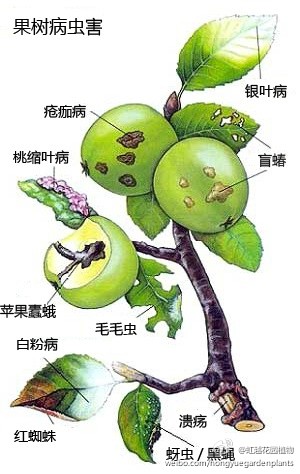
Complete Illustrated Guide to Flower Pests and Diseases: Quickly Identify Disease and Pest Symptoms
Pest and disease illustrations are always somewhat scattered. The few images below bring together illustrations of several dozen common flower pests and diseases, plus illustrations of fruit tree pests and diseases, rose pests and diseases, and tree pests and diseases.
-
What is the Nomura Barred Chicken? A complete guide
The Nomura Barred Chicken is a Japanese local breed, large in size and robust in build. Adult roosters weigh 7 kg, and hens weigh 5 kg, with black-and-white barred plumage. Roosters are tall, upright, full-breasted, muscular, with long and sturdy legs; the comb may be single or triple, and the comb, wattles, and earlobes are all red. The feathers are thick, vivid, and glossy. The head is held high, the tail feathers are upright, and the posture is graceful yet imposing and mighty. Hens have slightly shorter shanks and a stocky build. The Nomura Barred Chicken is an omnivorous chicken breed.
-
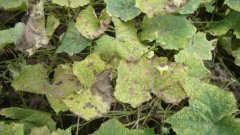
How to Treat Cowpea Fusarium Wilt? A Complete Guide to Prevention and Control Methods
Cowpea is a common vegetable on the market, and many people enjoy eating it, so how do you treat cowpea that has caught wilt disease? Let's take a look together. Cowpea (commonly known as "cai dou" in Taiwanese) has a growing season from April to September, and is an important edible pod vegetable in Taiwan, China, during the summer,
-
A Complete Guide to the Key Technical Points for Establishing an Apricot Orchard for Kernel Production
Apricot trees are fruit trees that love sunlight, tolerate drought, and fear waterlogging and frost, so an orchard should be established on a sunny, high, and dry site; it must not be established on shady slopes, waterlogged lowlands, or valley bottoms where cold air easily settles. Apricot trees are long-lived fruit trees; generally even 100- to 200-year-old trees still bear heavily, so the planned row and plant spacing should be somewhat large. However, to meet the need for early high yields, temporary trees can be set up when the orchard is established, and gradually thinned out or transplanted as the trees age. The row and plant spacing for the permanent rows can be designed at 4 m x 6 m, and for temporarily densified orchards at 2 m x 3 m; by around 10 years of age the temporary trees should be dealt with in time.
-
What to Do When Spider Plant Leaf Tips Turn Brown and Dry? A Complete Guide to Prevention and Treatment
Spider plant (Chlorophytum comosum) has fresh green leaves shaped like orchid leaves, fresh and elegant, and is a common and beloved household foliage plant. It also has the unique effect of purifying indoor air, bringing people even greater benefits, which is one of the important reasons people like to grow it indoors. Spider plant is called the "air plant," and it truly lives up to the name: those stolons extending from the leaf axils, both firm and soft, hang down and outward from the rim of the pot, reaching several feet in length, with each stolon tip bearing new plantlets of various sizes, fresh green as if washed, gently swaying in the wind. If
-
How to Grow Staghorn Fern? A Complete Guide to Its Care Essentials
Staghorn fern, also known as bat fern. It is a perennial evergreen epiphytic herbaceous plant in the Polypodiaceae family. The leaf tips fork and resemble deer antlers. It prefers warm, humid and semi-shaded environments. It is a typical epiphytic fern. (1) It is usually planted in a specially made pot (that is, drilling several small round holes in the pot wall
条件筛选