Are sago palm bonsai beautiful? A complete guide to growing and care
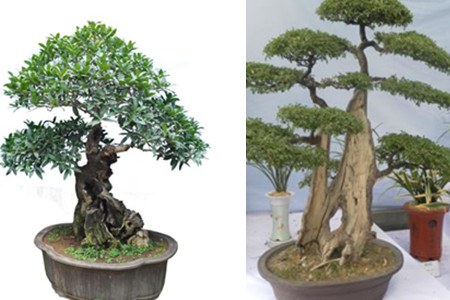
The Chinese flowering bonsai sago palm has excellent ornamental value and also carries very good symbolism, so it is often kept by people as a bonsai at home or in the office. Its shape is attractive, its trunk is hard, and its leaves are very smooth and bright, and some bonsai sago palms may even bloom, which is called "the sago palm blooming." But do you know how the Chinese flowering bonsai sago palm should actually be grown? And what should be noted during the growing process?
1. Sunlight and water
Bonsai sago palms rather like a warm, moist, sunny environment. The potting soil should be kept moist, but there must not be standing water. In midsummer, not only should the roots be watered, but the leaf surfaces should also be kept moist; sufficient sunlight and good ventilation can ensure healthy growth of the bonsai sago palm and make it look more vivid and bright. In addition, the sago palm is a tree species that especially likes sufficient light; with enough sunlight, it may grow robustly. So if it is placed in an office, there must be light.
2. Fertilizing and changing the soil
In vigorous growing seasons such as spring and summer, it needs frequent fertilizing. When fertilizing, it is best to apply small amounts more often. While ensuring fertilizer, the potting soil should also be replaced periodically to ensure air and water permeability, which can effectively help the bonsai sago palm grow better.
3. Pruning the bonsai
The main value of a bonsai sago palm lies in its ornamental quality, so during its growth it is necessary to frequently prune dead leaves that appear; on the one hand this prevents rot and odors, and on the other hand it also keeps the tree shape beautiful and symmetrical. At the same time, during pruning, pay close attention to whether there are insects or other problems, and prevent and control pests and diseases in time.
How to grow a sago palm: growing methods for sago palms
The sago palm is a very popular green plant and has long received widespread attention, so what are the growing methods for sago palms? I believe everyone would also like to know the answer to this question, so next let us take a look at what growing methods there are for sago palms; by learning about sago palm knowledge we can better apply it in daily life, so next let us follow the editor of Fowo Fowo and take a look at how to grow a sago palm.
Potted growing methods for sago palms
Potted growing method for sago palms: watering. During the spring and summer growing period, the pot should be kept moist, but it must not be waterlogged. During the high temperatures of midsummer, leaf surfaces should be sprayed often to keep the leaves fresh and green. In winter the sago palm enters dormancy, and its ability to absorb water is very small, so the potting soil should be dry; if the potting soil is too wet, it will cause root rot.
Potted growing method for sago palms: placement environment. Sago palms should be placed in a sunny, warm, moist, well-ventilated location. In winter they should be kept indoors to overwinter; if overwintering outdoors south of the Yangtze River, the plant should be wrapped with cattail bags, straw bags, or plastic bags. Or all the leaves can be cut off and the plant placed in a sunny, wind-sheltered spot.
Potted growing method for sago palms: fertilizing. In vigorous growing seasons, topdressing should be applied often, mainly nitrogen and potassium fertilizers. Rotted cake fertilizer water is best. When fertilizing, pay attention to applying thin fertilizer frequently, and never use too strong a concentration. To promote deep green and glossy leaf color, an appropriate amount of ferrous sulfate solution can be added to the fertilizer.
Potted growing method for sago palms: pruning. For the sake of a beautiful bonsai shape, old leaves from previous years as well as withered and yellow leaves should be cut off; overly dense or overly long leaves should also be pruned as appropriate to keep the tree shape symmetrical.
Potted growing method for sago palms: repotting. Repot once every 2-3 years, preferably in spring from March to April. When repotting and changing the soil, cut off dead and damaged roots, remove 1/2 to 2/3 of the old soil, and replace it with fertile, loose new potting soil so the plant grows vigorously. At the same time, make sure the bottom of the pot is raised to allow air and water permeability.
Potted growing method for sago palms: pest and disease control. Sago palms have hard trunks and tough leaves, so there are relatively few pests and diseases. The main one is scale insects, which can be removed by manual washing and brushing. Yellowing of the leaves sometimes occurs, and 1% ferrous sulfate diluted solution can be used for watering. Note the placement location: ventilated, light-transmitting, clean and hygienic conditions can prevent the occurrence of pests and diseases.
Causes of yellowing sago palm leaves and treatment methods
1. Water yellowing: caused by overly frequent watering. Its characteristic is that old leaves show no obvious change while young leaves turn yellow; watering should be controlled immediately;
2. Drought yellowing. Caused by lack of water and drought. Its characteristic is that old leaves turn yellow first from the bottom upward; if the lack of water lasts a little longer, the whole plant's leaves will turn yellow, or it may even die, so it should be watered in time;
3. Fertilizer yellowing. Caused by overly frequent fertilizing or too high a concentration; its characteristic is that young leaves are thick, glossy, and uneven; fertilizer should be controlled, and intertilling and watering should be done;
4. Starvation yellowing. Caused by insufficient fertilizer, too low a fertilizing concentration, and too long an interval between fertilizing; its characteristic is that yellowing starts at the young leaves and tender stems; if this phenomenon is seen and fertilizer is not applied in time, it can also cause the whole plant's leaves to turn yellow or even die; for flowers lacking fertilizer, never apply a large amount of strong fertilizer at one time, so as to avoid burning the roots;
5. Iron-deficiency yellowing of leaves. For woody flowers in greenhouses and the like, because soil fertility conditions vary greatly, yellowing of leaves often occurs; its characteristic is that young leaves are obviously affected while old leaves are less so, with yellow mesophyll and green veins, forming a typical network; this can be solved by applying ferrous sulfate aqueous solution, with the method being: 7 parts cake fertilizer, 5 parts ferrous sulfate, and 200 parts water mixed into a diluted solution for watering.
How to grow a sago palm? 9 major elements of sago palm growing methods
Sago palms mainly grow in Asia and are native to southern China as well as India, Japan, and other places. Sago palm growing and growth prefer a warm, moist environment; they are not tolerant of severe cold, but they are shade-tolerant. Moreover, during the growth process, sago palms are relatively sensitive to iron deficiency, so when growing sago palms, iron filings should be appropriately added to the growing potting soil.
As the saying goes, "even the sago palm has bloomed." In fact, sago palms grown in cultivation rarely bloom; generally only trees grown for twenty or thirty years will bloom, and the flowering period is from June to August. Although sago palms rarely bloom, their leaves are very impressive and spectacular, so sago palms are often grown as excellent foliage plants. Below, the editor specifically introduces sago palm growing methods. Click to view sago palm propagation methods
1. Growing methods for sago palms
1. Soil: potted sago palms are suited to well-drained, loose, fertile, slightly acidic sandy soil.
2. Temperature: sago palms like warmth; during high summer temperatures, water should be sprayed appropriately to lower the temperature, and in winter the indoor room temperature should be kept at around 10°C. Because sago palms grow relatively slowly, in summer they should avoid scorching sun exposure, otherwise it easily causes leaf scorch and yellowing in sago palms. Sago palms have relatively strong cold resistance, but when the winter temperature is 0°C, they should be moved indoors or to a warm place to overwinter.
Growing methods for Cycas revoluta
3. Light: sago palms cannot be placed indoors for too long, because sago palms like light; although lack of light will not necessarily kill them, it will also make their newly emerging leaves sparse, thin and weak, and lose their green color. Therefore, sago palms should be placed in a sunny spot in all four seasons when grown, especially in spring and autumn when new leaves grow, when they should be kept in direct sunlight for care; after the new leaves have matured, they can then be moved indoors for viewing.
4. Watering: sago palms are relatively drought-tolerant and prefer dry conditions over wet ones, so generally they can be watered after the soil dries. If watered too much, they easily suffer root rot and damaged leaves. Generally, in winter water once about every 10 days, in spring and autumn once every 3-5 days, and in summer once in the morning and once in the evening. Watering should follow the principle of watering when dry and stopping when wet; long-term water accumulation and overly wet potting soil in sago palm pots will cause yellow leaves and root rot.
5. Fertilizing: during the growing season of sago palms, topdressing should be applied often, mainly nitrogen and potassium fertilizers, with rotted cake fertilizer water being best. When fertilizing, pay attention to applying thin fertilizer frequently, and never use too strong a concentration. To promote deep green and glossy leaf color, an appropriate amount of ferrous sulfate solution can be added to the fertilizer. When fertilizing, note that more vanadium fertilizer water can be applied, and some rusty iron can also be placed in the soil, or special sago palm fertilizer purchased from a flower market can be used; this can make sago palm leaves deep green and glossy and improve ornamental value.
6. Pruning: sago palms send out new leaves once or twice every year. When growing a sago palm bonsai, for the sake of a beautiful shape, old leaves from previous years as well as withered and yellow leaves should be cut off; overly dense or overly long leaves should also be pruned as appropriate to keep the tree shape symmetrical.
Actual scene photo of potted sago palm growing
7. Repotting: repot once every 2-3 years, preferably in spring from March to April. When repotting or changing pots, cut off dead and damaged roots, remove 1/2 to 2/3 of the old soil, and replace it with fertile, loose new soil, so that the plant grows vigorously. At the same time, also pay attention to raising the bottom of the pot to allow air and water permeability.
9. Pest and disease control: sago palms have hard trunks and tough leaves, so there are relatively few pests and diseases. The main possible infestation is by scale insects; when scale insects are found, they can first be killed by manual washing and brushing, and if the infestation is severe, 1% ferrous sulfate diluted solution can be used for watering. It is worth noting that potted sago palms should be placed in a ventilated, light-transmitting, clean and hygienic place, which can also effectively prevent the occurrence of pests and diseases.
2. Causes of yellowing sago palm leaves and treatment methods
1. Water yellowing: caused by overly frequent watering. Its characteristic is that old leaves show no obvious change while young leaves turn yellow; watering should be controlled immediately;
2. Drought yellowing. Caused by lack of water and drought. Its characteristic is that old leaves turn yellow first from the bottom upward; if the lack of water lasts a little longer, the whole plant's leaves will turn yellow, or it may even die, so it should be watered in time;
3. Fertilizer yellowing. Caused by overly frequent fertilizing or too high a concentration; its characteristic is that young leaves are thick, glossy, and uneven; fertilizer should be controlled, and intertilling and watering should be done;
Sago palm care knowledge
4. Starvation yellowing. Caused by insufficient fertilizer, too low a fertilizing concentration, and too long an interval between fertilizing; its characteristic is that yellowing starts at the young leaves and tender stems; if this phenomenon is seen and fertilizer is not applied in time, it can also cause the whole plant's leaves to turn yellow or even die; for flowers lacking fertilizer, never apply a large amount of strong fertilizer at one time, so as to avoid burning the roots;
5. Iron-deficiency yellowing of leaves. For woody flowers in greenhouses and the like, because soil fertility conditions vary greatly, yellowing of leaves often occurs; its characteristic is that young leaves are obviously affected while old leaves are less so, with yellow mesophyll and green veins, forming a typical network; this can be solved by applying ferrous sulfate aqueous solution, with the method being: 7 parts cake fertilizer, 5 parts ferrous sulfate, and 200 parts water mixed into a diluted solution for watering.
3. The role of growing sago palms
The main roles of growing sago palms include ornamental value and medicinal value, among others. Grown sago palms can be placed in courtyard flower beds or at the center of flower clusters for decoration, or used for indoor arrangements at the entrances or lobbies of large venues. Sago palm leaves can be used as cut flowers to arrange flower baskets, wreaths, and so on. The leaves, flowers, and fruits of sago palms can all be made into medicinal materials, so their uses can truly be called diverse.