How to Grow Columbine? A Complete Guide to Care Methods
Pot and Soil Selection
For potted columbine, choose a slightly larger flower pot and fill it with soil. You can use sandy soil with good drainage or leaf mold rich in humus. A little base fertilizer should be added to the soil.
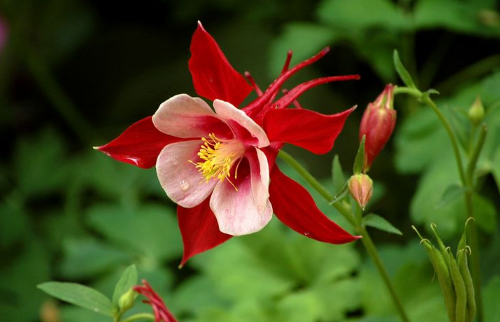
Light and Temperature
Columbine prefers a cool growing environment and is very cold-hardy, but it is not heat-tolerant. During the growing season, the plant should be given plenty of light so that it can grow healthily. The most suitable growing temperature for columbine is generally 15°C-35°C, and appropriate light must be ensured. In summer, high temperatures and strong light occur, so the plant should be given appropriate shade, or it can be placed in a cool, ventilated, and semi-shaded environment for cultivation.
Watering
Columbine has relatively high water requirements. During the peak growing period, sufficient water must be provided. The frequency and amount of watering can be determined by how dry the potting soil is. However, note that there should be no standing water in the flower pot. If there is any, it should be drained promptly, otherwise the plant's roots may rot.
Fertilizing
For fertilizing columbine, a medium-fertility fertilizer is sufficient, generally applied once a week, but the fertilizer concentration should not be too high, otherwise it will burn the plant. It should be noted that after the plant enters autumn, fertilizing should stop. Also, before the plant blooms, some phosphorus fertilizer and potassium fertilizer should be applied to ensure the flowers bloom more brilliantly.
The above is an introduction to the question of how to grow columbine. Below, let's look at what needs attention when growing columbine.
Columbine Care Methods
Columbine belongs to the genus Aquilegia in the family Ranunculaceae (Ranuncuaceae), a perennial herbaceous plant native to Europe and North America. Columbine is robust, cold-hardy, and prefers fertile, moist soil rich in humus with good drainage. It requires relatively high air humidity and should be cared for under semi-shaded conditions in summer.Columbine is generally propagated by sowing and division, carried out in March to April or August to September. Direct sowing requires blooming the following year. Seedlings can be planted out when they are about 10 cm tall, with a plant spacing of 30-40 cm. A topdressing of fertilizer should be applied once before flowering. Shading is needed in summer. In cold regions, slight covering is needed in winter. After 3 years, the plant tends to decline, so division should be carried out promptly to promote renewal.
Columbine Care Methods and Precautions
Columbine Care Methods
Pot and Soil Selection
For potted columbine, choose a slightly larger flower pot and fill it with soil. You can use sandy soil with good drainage or leaf mold rich in humus. A little base fertilizer should be added to the soil.
Light and Temperature
Columbine prefers a cool climate, avoids high temperatures but can tolerate cold, and needs sufficient light. When caring for columbine, keep the growing temperature between 15°C and 35°C, with moderate light, avoiding summer heat and exposure. At this time, shading is needed, or the potted columbine can be placed in a semi-shaded spot for care.
Watering and Fertilizing
Columbine needs strengthened management with reasonable watering and fertilizing. During the vigorous growing period of columbine, sufficient water must be provided. The amount and frequency of watering should be determined by how dry or wet the potting soil is, but waterlogging should be avoided. In dry weather, drainage should be done promptly, and after rain, waterlogging should also be drained promptly, taking care to maintain a certain air humidity. For fertilizing, medium fertility is sufficient, and fertilizer can be applied once a week, but note that the concentration should not be too high. Note that fertilizing should stop after the beginning of autumn. In addition, before columbine blooms, some phosphorus fertilizer and potassium fertilizer should be applied to make the flowers more brilliant.
Precautions for Growing Columbine
Propagation Methods
Columbine is basically propagated by division or sowing. Sowing propagation can be done in spring or autumn, while division propagation is mainly done in autumn.
Pinching
During the growing period, columbine needs timely pinching to control the plant's height. After columbine finishes blooming, the spent flowers can be cut off, so that columbine can be cared for as a foliage plant.
Pests and Diseases
The main pest of columbine is aphids, which cause significant damage and can also cause mosaic disease. In addition, there is the harm of powdery mildew, which requires timely and reasonable treatment.