-

How to grow society garlic? Cultivation methods and precautions
Many people are unfamiliar with the name society garlic, but if you mention "foreign chives," it may spark a memory in your mind and help you picture what kind of plant society garlic is: flat, wide leaves like those of chives, and tall, slender flower stems, with one or several small purple flowers blooming at the top of each stem.
-
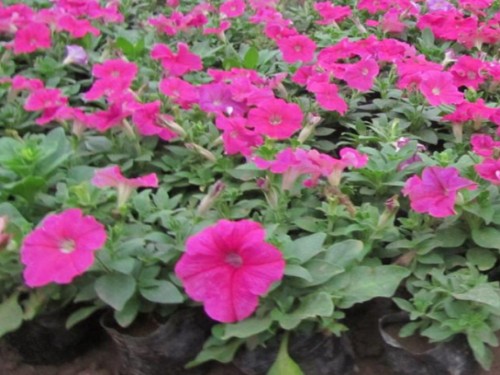
How to grow petunias? Growing methods and precautions
Petunia (Petunia × hybrida) is a long-day plant and requires plenty of sunlight during its growing period. Under normal light conditions, it takes about 100 days from sowing to flowering. Double flowers are spherical, and the flower colors are extremely rich, such as white, red, purple, blue, yellow, as well as mottled patterns and picotees, and they are very beautiful. The flowering period lasts from April until frost
-
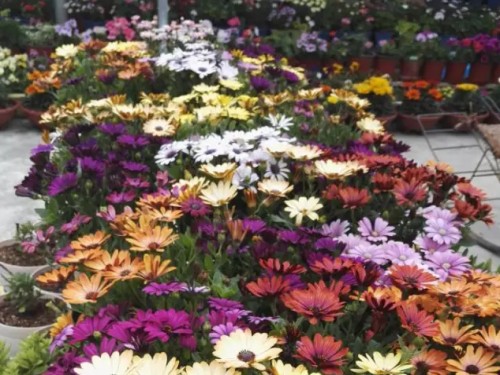
Blue-eyed daisy (osteospermum) growing methods and precautions
The blue-eyed daisy is a beautiful ornamental plant, also known as the African daisy and the large-flowered blue-eyed daisy. It is native to South Africa and is not cold-tolerant. It dislikes heat, prefers sunny environments, and does best in well-drained soil. The blue-eyed daisy comes in a rich range of colors, including white, light purple, deep purple and many others, and can be used in flower borders or as cut flowers.
-
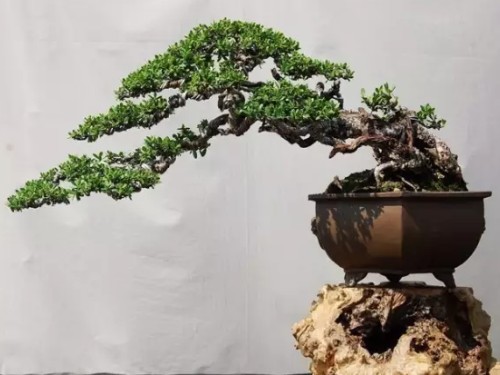
Detailed Explanation of Key Techniques and Precautions for Bonsai Care
The most important thing in growing bonsai is to master the wet-dry balance well. Generally, the principle is "do not water until dry, and when you water, water thoroughly." In spring and autumn, water about once every three to four days; in summer, once a day; in winter, once a week or even longer, depending on the amount of water evaporation. The best time to water is usually around eight or nine in the morning.
-
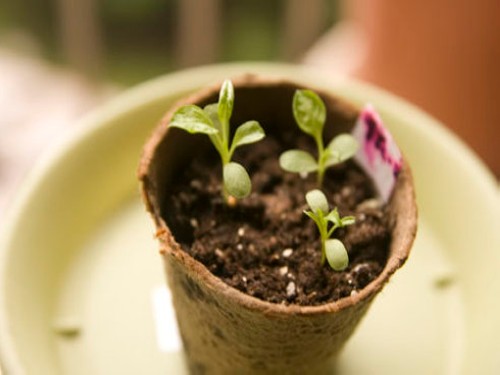
How to Grow Campanula (Bellflower)? Detailed Guide to Cultivation Methods and Precautions
Campanula is often planted at the edges of flower beds, courtyards, or gardens. Its unique flower shape and bright, clean, pure and elegant colors, blooming in large masses, are especially beautiful and make people feel cheerful and happy. With its cute, elegant flower shape, potted campanula placed indoors can create a distinctive decorative effect. Of course
-
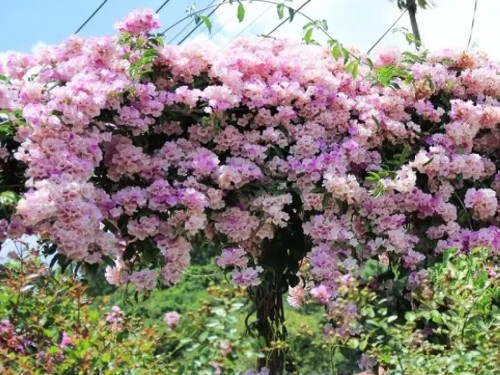
How to grow garlic vine? Detailed guide to cultivation methods and precautions
Garlic vine (Mansoa alliacea) gets its name because its flowers, leaves and branches give off a garlic aroma when damaged. It is often used for flower corridors, and when it blooms it is quite a sight, with garlic vine opening silver bell-like flowers; when the wind blows, no bells ring, yet waves of garlic fragrance drift by. Moreover, like apricot blossoms, garlic vine's flowers start out red
-
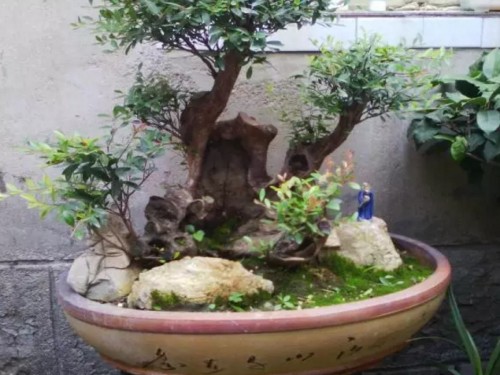
How to Grow a Syzygium buxifolium Bonsai? Detailed Care Methods and Precautions
The Syzygium buxifolium plant form has a unique ornamental value. Placing a Syzygium buxifolium bonsai in the home can not only enhance the quality and beauty of the living space, but also improve the feng shui of the room, helping everyone enjoy good health. After more than ten years of observation
-
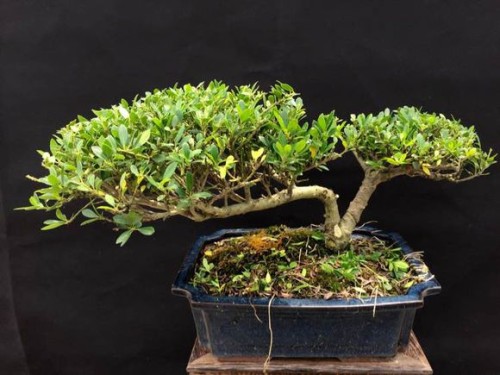
How to grow potted holly? Care methods and precautions
Holly has lush branches and leaves and stays evergreen all year round. Because of its graceful tree shape and verdant, emerald-green branches and leaves, it is the preferred sapling for park hedge landscaping, so it is mostly planted in courtyards for beautification purposes. It can be used in parks, courtyards, green walls and the central median strips of expressways. Holly has a high transplant survival rate and recovers quickly.
-
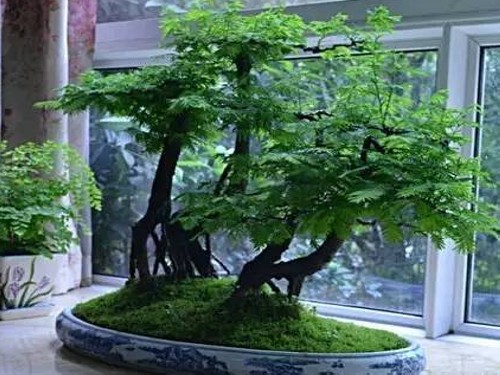
Water Fir Bonsai Care Methods and Precautions
The water fir (Metasequoia glyptostroboides) has a straight, upright trunk, a magnificent tree shape, and emerald green foliage that turns golden yellow in autumn. It is a famous ornamental tree for courtyards. Water firs can be planted as single specimens, in rows, or in groups in parks, courtyards, lawns, and green spaces. They can also be planted in masses to create scenic forests and pair well with evergreen groundcover plants; they can also be planted in front of buildings or used as street trees.
-
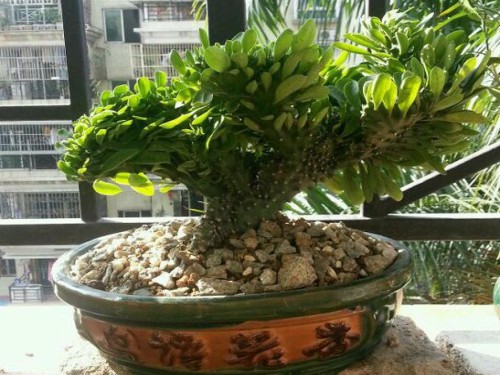
How to grow a Jade Kirin (Euphorbia neriifolia) bonsai? Growing methods and precautions
The Jade Kirin likes warmth, requires plenty of sunlight, and prefers well-drained sandy loam. It is drought-tolerant, not cold-tolerant, yet also tolerates partial shade, making it suitable for home potted display. It has emerald-green and beautiful leaves, with fleshy stems and leaves, and an elegant plant form that closely resembles the Qilin of ancient Chinese legend, hence the name Jade Kirin.
条件筛选